Heroin, a powerful opioid derived from morphine, is commonly known by street names like “smack,” “H,” and “dope.” This illegal substance is notorious for its intense euphoric effects, making it a highly abused drug with devastating consequences for individuals and communities worldwide. Heroin addiction is a chronic, relapsing condition marked by compulsive drug-seeking behavior despite harmful consequences.
As a result, 60,000,000 people struggle with the addictive effects of opioids globally and more than 100,000 people die every year of opioid overdose, many of them with fentanyl, an analgesic drug that is 50–100 times more potent than heroin or morphine, according to the Lancet Regional Health. Each year, 14,000 Americans die from heroin overdoses, 902,000 use heroin annually, and 6.25 million have used it in their lifetime, as reported by the National Center for Drug Abuse Statistics.
The main symptoms of heroin addiction include physical signs like drowsiness and weight loss, behavioral changes such as secrecy and financial issues, and psychological issues like depression and cravings. These symptoms worsen over time, requiring immediate attention to avoid severe complications.
The causes of heroin addiction stem from a combination of factors, including genetic predisposition, psychological challenges like trauma and depression, and social influences such as peer pressure and socioeconomic struggles.
Notable effects of heroin addiction include severe physical health issues like brain damage and infectious diseases, mental health deterioration, and social problems like job loss and strained relationships. Long-term addiction significantly reduces life expectancy if left untreated.
Common withdrawal symptoms include nausea, muscle pain, anxiety, and intense cravings. These symptoms are severe, making medical supervision required during the detoxification process to reduce risks and increase the likelihood of recovery. According to SAMHSA, 68% of people who complete drug and alcohol detox programs report their treatment to be successful.
Treatment options for heroin addiction include detoxification, Medication-Assisted Treatment (MAT) using FDA-approved medications like methadone, and behavioral therapies like CBT. These approaches have proven effective in managing withdrawal symptoms and preventing relapse when combined with robust support systems.
Prevention strategies focus on education, community awareness campaigns, and early intervention to reduce the risk of heroin addiction. Implementing comprehensive relapse prevention plans and improving access to resources like heroin addiction treatment programs are important to addressing this pressing public health issue.
What Is Heroin Addiction?
Heroin addiction is a chronic condition characterized by the compulsive use of heroin, a powerful and highly addictive opioid drug, despite harmful consequences. This disorder leads to significant physical, psychological, and social challenges. It falls under the category of substance use disorders. It is marked by physical dependence on the drug, as well as psychological cravings that drive individuals to seek out and use heroin repeatedly, according to a journal titled “Heroin Addiction and Related Clinical Problems” published in EUROPAD – European Opiate Addiction Treatment Association.
According to recent statistics, approximately 902,000 Americans aged 12 and older reported using heroin in 2021, with adults being the most affected demographic. The Pennsylvania Office of the Attorney General identifies the heroin and opioid epidemic as the state’s top public health and safety challenge, with 5,168 overdose deaths in 2021, an average of 14 deaths daily.
What is Heroin, and Why Is It So Addictive?
Heroin is an illegal opioid derived from morphine, which comes from the opium poppy plant. It rapidly affects the central nervous system and is consumed by injection, snorting, or smoking. Heroin produces a powerful euphoria due to its ability to bind to opioid receptors in the brain.
Heroin is highly addictive because it causes a significant release of dopamine, a neurotransmitter linked to pleasure and reward. It increases dopamine levels by up to 200%, leading to intense euphoria. This flood of dopamine reinforces drug use, creating a cycle that leads to dependence and addiction over time.
Heroin is an illegal opioid because of its high potential for abuse and dangerous health risks. Unlike prescription opioids, heroin is unregulated and sold on the black market, increasing the likelihood of overdose. Its illegal status and lack of quality control make heroin particularly dangerous, contributing to its addictive and deadly nature.
How Does Heroin Addiction Develop?
Heroin addiction develops gradually, starting with casual experimentation and progressing to regular use. Initially, some individuals use heroin recreationally, seeking the intense euphoria it produces. However, repeated use leads to tolerance, where the individual needs larger doses to achieve the same effects. This escalation leads to physical dependence and addiction. Heroin affects the brain’s reward system, reinforcing the desire to continue using the drug.
According to WebMD, it takes as little as a few weeks of regular use for someone to become addicted to heroin, with the average time for recreational use to develop into dependence ranging from 2 to 3 months. Over time, the brain’s chemistry is altered, and the individual becomes unable to stop using the drug despite the harmful consequences.
What Are the Symptoms of Heroin Addiction?
The symptoms of heroin addiction are categorized into physical, behavioral, and psychological signs. These symptoms vary in intensity depending on the stage of addiction but are severe and progressively debilitating.
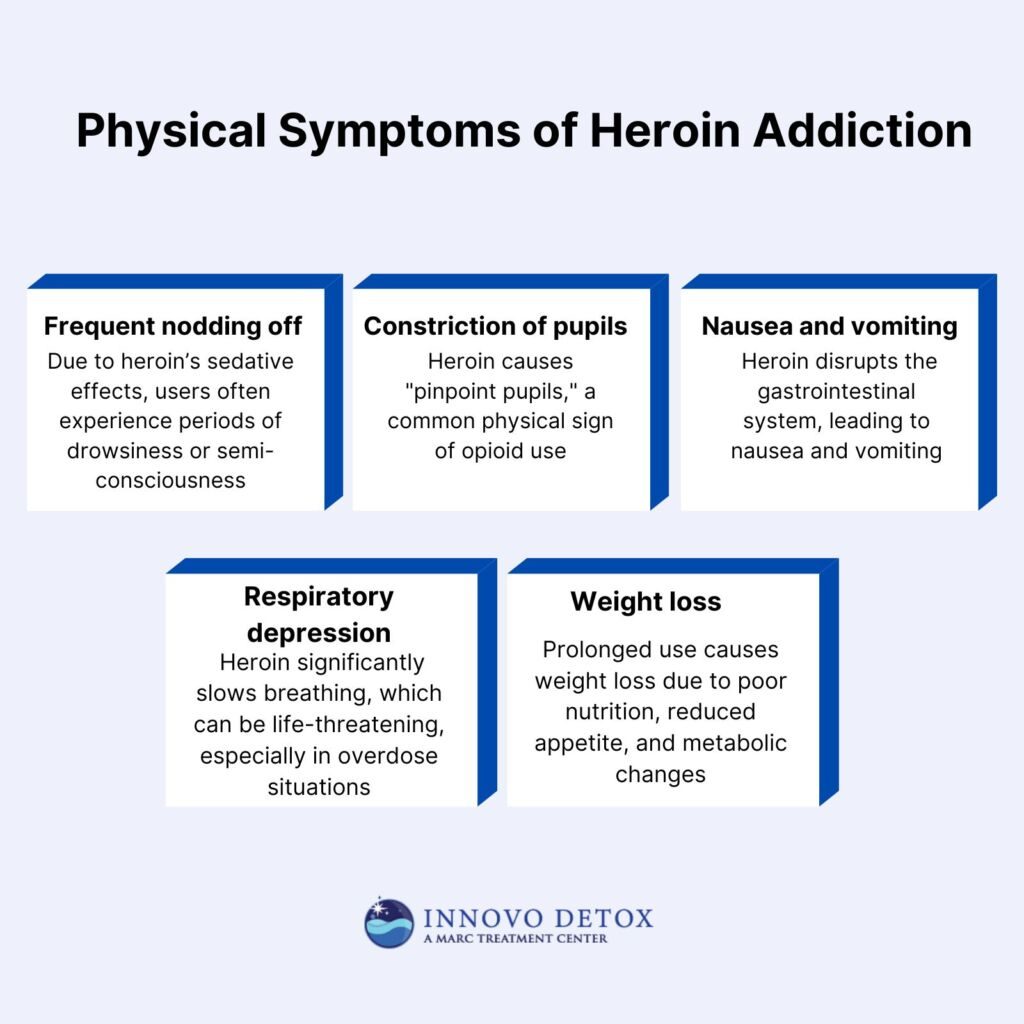
The physical symptoms of heroin addiction are as follows:
- Frequent nodding off or drowsiness: Users experience drowsiness or “nodding off” due to heroin’s sedative effects. This symptom occurs as the drug slows brain activity, leading to periods of semi-consciousness. It is common in regular users, with individuals showing this sign in the early stages of addiction.
- Constriction of pupils: Heroin use causes the pupils to constrict, also known as “pinpoint pupils.” This occurs because heroin activates opioid receptors in the brain, affecting the autonomic nervous system and causing pupil constriction.
- Nausea and vomiting: Nausea and vomiting are common as heroin disrupts the gastrointestinal system. These symptoms occur because heroin interferes with brain signals that control digestion, resulting in severe discomfort.
- Respiratory depression: Heroin slows breathing significantly, leading to respiratory depression. This occurs because heroin suppresses the brain’s respiratory centers, which are life-threatening, especially in overdose situations. Nearly 50% of heroin users experience this symptom, as studied by Jolley CJ et al. 2015, titled “Understanding Heroin Overdose: A Study of the Acute Respiratory Depressant Effects of Injected Pharmaceutical Heroin,” and it is a significant cause of overdose deaths.
- Weight loss: Prolonged heroin use leads to significant weight loss due to a combination of poor nutrition, reduced appetite, and metabolic changes. This becomes severe in chronic users, with studies indicating that long-term heroin users show noticeable weight loss and malnutrition.
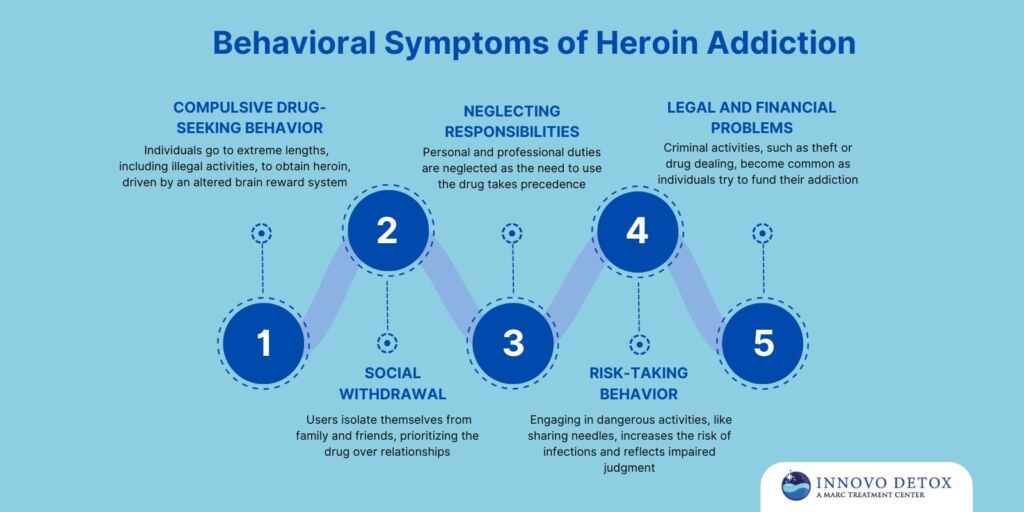
The behavioral symptoms of heroin addiction are as follows:
- Compulsive drug-seeking behavior: As addiction develops, individuals go to great lengths to obtain heroin, including engaging in illegal activities. This behavior is driven by the brain’s altered reward system, which prioritizes the drug over other needs.
- Neglecting responsibilities: Heroin addiction leads to neglect of personal and professional responsibilities, including poor work performance and deteriorating relationships. This occurs as the drive to use the drug becomes more powerful than the drive to meet daily obligations.
- Legal and financial problems: Addiction leads to criminal activity, such as theft or drug dealing, to fund the habit. Legal and financial issues are common as heroin use escalates.
- Social withdrawal: As addiction progresses, individuals tend to withdraw from family, friends, and other social activities. This is due to the stigma surrounding drug use and the prioritization of the drug over relationships.
- Risk-taking behavior: Heroin users engage in dangerous activities, such as sharing needles or using them in unsafe environments, which increases the risk of infections like HIV or hepatitis. This behavior is linked to the brain’s altered judgment and decision-making processes.
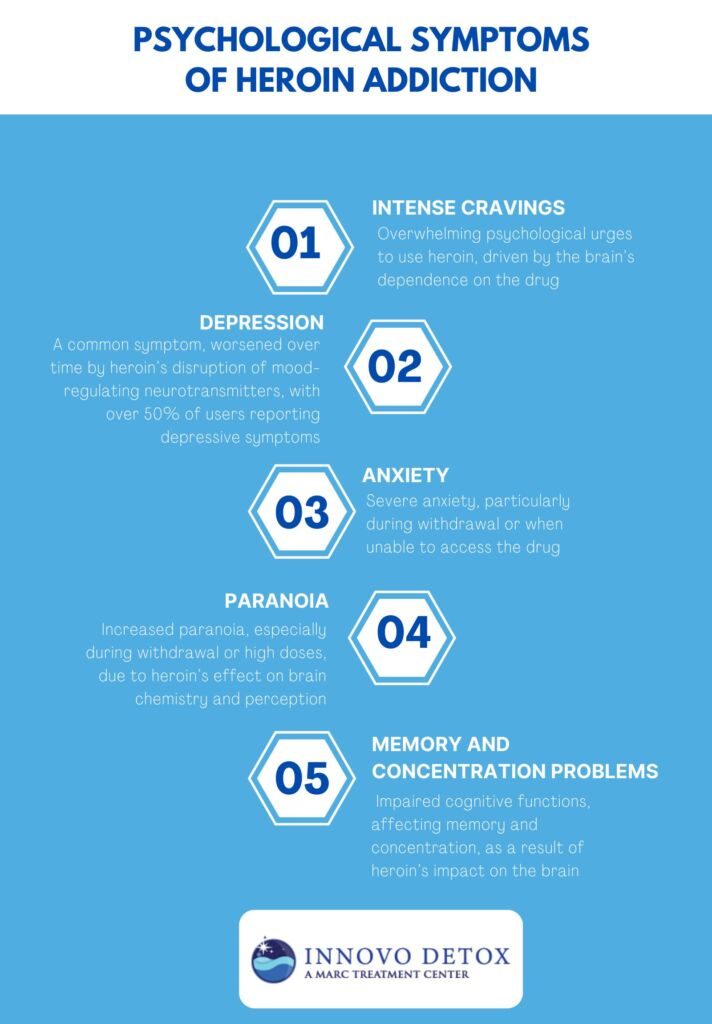
The psychological symptoms of heroin addiction are as follows:
- Intense cravings: Heroin addiction leads to intense psychological cravings for the drug, which occur as the brain becomes dependent on the drug’s effects. These cravings are overwhelming and are a primary driver of continued use.
- Depression: Many individuals with heroin addiction suffer from depression, which worsens over time. This symptom occurs due to the brain’s chemical imbalance caused by prolonged heroin use, which disrupts natural mood-regulating neurotransmitters. Research by Mohamed, I.I., Ahmad, H.E.K., Hassaan, S.H. et al. 2020, titled “Assessment of anxiety and depression among substance use disorder patients: a case-control study,” shows that more than 50% of heroin users report experiencing symptoms of depression.
- Anxiety: Anxiety is another common psychological symptom of heroin addiction. As the brain becomes reliant on the drug, withdrawal symptoms include anxiety, which is severe. Heroin users report anxiety, especially during periods of withdrawal or when they are unable to access the drug.
- Paranoia: Paranoia develops in heroin addicts, especially during withdrawal or when the drug is used in high doses. This occurs due to heroin’s impact on brain chemistry, affecting cognitive functions like perception and judgment.
- Memory and concentration problems: Heroin addiction impairs cognitive functions such as memory and concentration. This is due to the drug’s effect on brain regions responsible for learning and memory.
What Are the Early Warning Signs of Heroin Addiction That Family Members Should Watch For?
The early warning signs that family members should watch for are changes in behavior, appearance, and lifestyle, such as secretive actions, unexplained financial problems, and noticeable physical changes. Recognizing these signs early is important for timely intervention to prevent addiction from worsening.
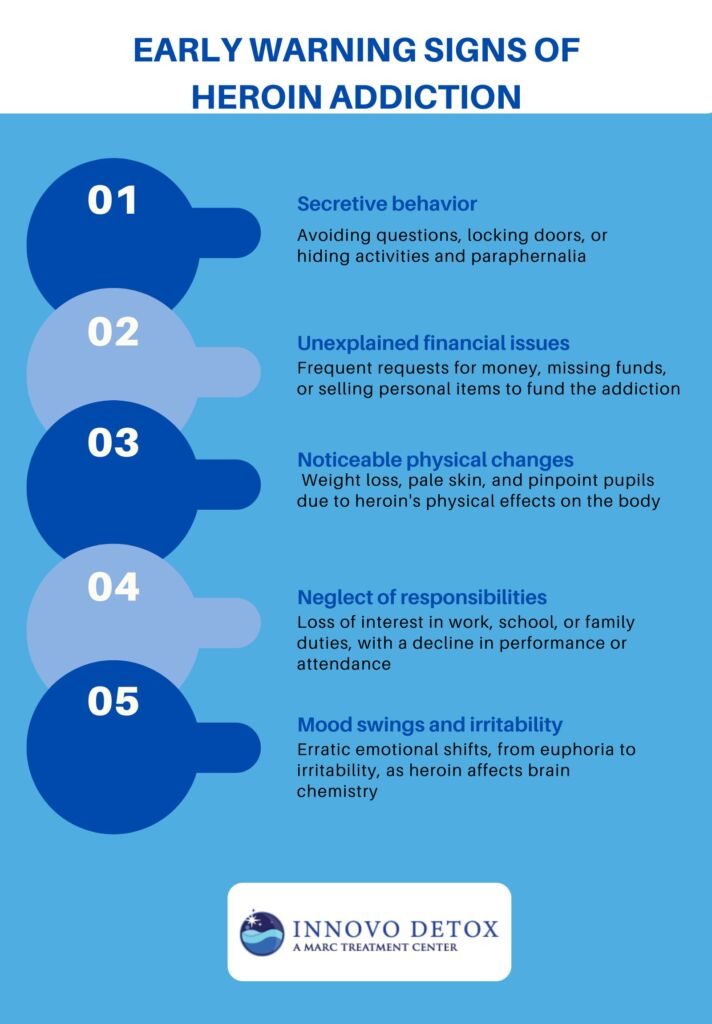
The early warning signs that family members should watch for are as follows:
- Secretive behavior: Individuals developing a heroin addiction become secretive, hiding their activities and avoiding questions about their whereabouts. This behavior stems from shame or fear of being confronted. Early signs of secrecy include frequently locking doors, hiding paraphernalia, or evading family interactions.
- Unexplained financial issues: Frequent requests for money or missing household funds signal drug use. Heroin addiction is expensive, and individuals struggle to sustain their habit. Unexplained financial strain, theft, or selling personal belongings are common early indicators of drug dependency.
- Noticeable physical changes: Physical signs such as sudden weight loss, pale skin, and pinpoint pupils accompany heroin use. These changes occur due to heroin’s effects on the body, including appetite suppression and reduced oxygen levels. Family members should be alert to any drastic, unexplained changes in appearance.
- Neglect of responsibilities: A declining interest in work, school, or family obligations is a red flag. Heroin use disrupts motivation and prioritization, causing individuals to neglect their responsibilities. Missing deadlines, poor performance, or frequent absenteeism are early signs that should not be ignored.
- Mood swings and irritability: Early heroin use leads to erratic mood swings, ranging from euphoria to irritability. These shifts occur as heroin affects brain chemistry and emotional regulation. Family members notice increased frustration, anger, or withdrawal from social interactions as warning signs.
What Causes Heroin Addiction?
The causes of heroin addiction are a combination of genetic, psychological, and social factors. These factors interact to increase vulnerability, leading to the initiation and progression of heroin use.
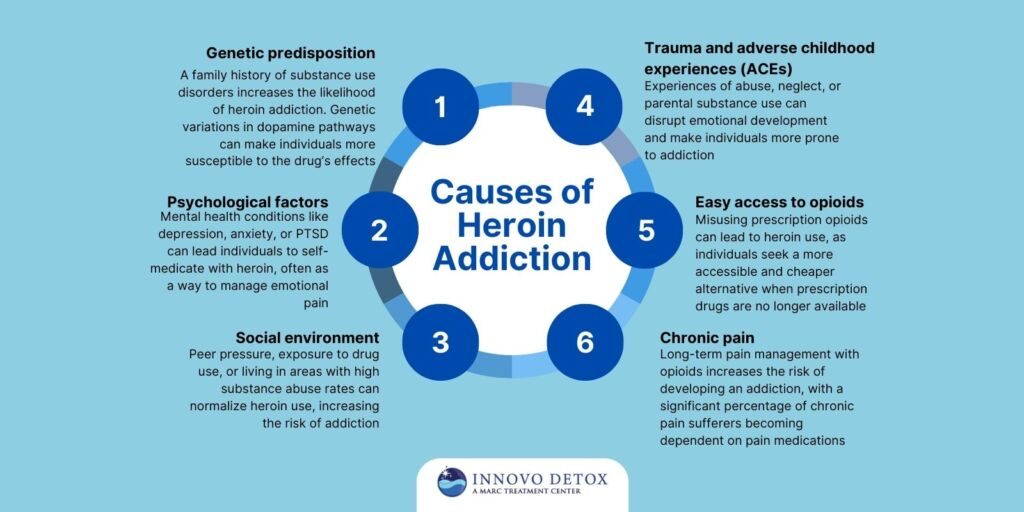
The causes of heroin addiction are as follows:
- Genetic predisposition: A family history of substance use disorders significantly increases the risk of heroin addiction. Genetic predispositions account for about 40-60% of an individual’s vulnerability to addiction, according to an article by Learn Genetics titled “Genes and Addiction.” Variations in genes affecting dopamine pathways make individuals more susceptible to the euphoric effects of heroin.
- Psychological factors: Mental health conditions, such as depression, anxiety, or PTSD, contribute to heroin addiction. These disorders lead individuals to self-medicate with heroin, seeking relief from emotional pain. Psychological dependence is a necessary factor, with around 60% of individuals reporting a history of trauma before developing a substance use disorder, according to an article by HelpGuide titled “Dual Diagnosis: Substance Abuse and Mental Health.”
- Social environment: Peer pressure, exposure to drug use, or living in a community with high rates of substance abuse increase the likelihood of heroin addiction. Social factors normalize drug use, making it easier for individuals to try heroin. Individuals in high-risk environments are significantly more likely to develop heroin addiction.
- Trauma and adverse childhood experiences (ACEs): Experiencing trauma, such as abuse, neglect, or parental substance use, is strongly associated with heroin addiction. ACEs disrupt emotional development and coping mechanisms, making individuals more vulnerable to substance abuse. Studies by UMT.edu show that individuals with four or more ACEs are seven times more likely to use heroin.
- Easy access to opioids: Misuse of prescription opioids precedes heroin use. When prescription opioids become unavailable or too expensive, individuals turn to heroin as a cheaper and more accessible alternative. About 18% of people who misused prescription opioids later developed a heroin addiction, as reported by the Centers for Drug Control and Prevention CDC reported that in 2020, titled “Prescription Opioid Misuse and Use of Alcohol and Other Substances Among High School Students — Youth Risk Behavior Survey, United States, 2019.”
- Chronic Pain: Chronic pain refers to ongoing pain that lasts longer than six months. Individuals suffering from chronic pain are more likely to use opioids for relief, which leads to addiction. According to the American Medical Association (AMA), an estimated 3% to 19% of people who take prescription pain medications develop an addiction to them, according to an article by the American Psychiatric Association titled “Opioid Use Disorder.”
What Are the Risk Factors for Heroin Addiction?
The risk factors for heroin addiction include influences like peer pressure, a history of substance abuse, co-occurring mental health disorders, and socioeconomic challenges. These factors increase vulnerability, making some individuals more likely to develop heroin addiction than others.
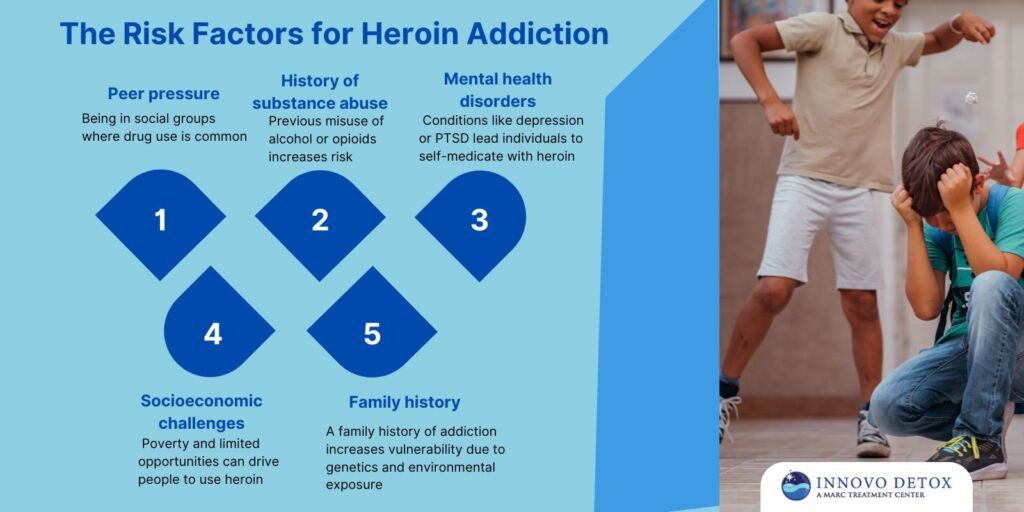
The risk factors for heroin addiction are as follows:
- Peer pressure and social influence: Being part of a social group where drug use is normalized increases the likelihood of experimenting with heroin. Peer pressure makes individuals feel compelled to use the drug to fit in or avoid social rejection, especially among younger populations.
- History of substance abuse: Individuals who misuse other substances, such as alcohol, prescription opioids, or stimulants, are at higher risk of transitioning to heroin. Nearly 80% of individuals who use heroin have previously misused prescription opioids, as reported by the National Institute on Drug Abuse 2020, titled “Prescription opioid use is a risk factor for heroin use.”
- Co-occurring mental health disorders: Conditions like depression, anxiety, or PTSD co-occur with heroin addiction. These disorders drive individuals to use heroin as a coping mechanism, exacerbating both the mental health issue and the addiction. The National Alliance on Mental Illness (NAMI) estimates that around 50% of individuals with a substance use disorder also have a mental health disorder, highlighting the correlation between these two issues.
- Socioeconomic challenges: Poverty, unemployment, and lack of access to education are significant risk factors for heroin addiction. These conditions create stress and limited opportunities, leading individuals to seek solace in drug use. Communities with high rates of poverty report higher heroin addiction rates.
- Family history and genetics: A family history of addiction increases susceptibility to heroin use due to genetic predisposition and environmental exposure to drug use. The American Addiction Centers Resource (AACR) states that first-degree relatives of someone with a history of addiction are between 4 to 8 times more likely to develop problems with addiction themselves when compared to those who do not have a family member with an addiction.
How Does Heroin Affect Your Health in the Short and Long Term?
Heroin affects your health in both the short and long term by causing immediate physical and mental changes and leading to severe, chronic health problems over time. These impacts range from temporary euphoria to life-threatening complications and permanent damage to vital organs and the brain.
The short-term effects of heroin on your health are as follows:
- Intense euphoria: Heroin triggers a rapid dopamine release, causing a powerful sense of euphoria. This “high” lasts a few hours but is followed by drowsiness and mental fog. The intense pleasure reinforces repeated use, making heroin highly addictive.
- Respiratory depression: Heroin slows breathing almost immediately after use, a condition known as respiratory depression. This effect is life-threatening, especially in cases of overdose. Studies reveal respiratory depression is the leading cause of heroin-related deaths.
- Nausea and vomiting: Many users experience nausea and vomiting shortly after using heroin. These symptoms occur because heroin affects brain areas that control the digestive system, causing significant discomfort during the initial stages of use.
- Sedation and mental clouding: Heroin causes extreme drowsiness and impairs cognitive function, leading to what is described as “nodding off.” This sedation interferes with daily tasks and increases the risk of accidents or injuries.
- Itching and skin irritation: Heroin causes intense itching, a side effect linked to the drug’s interaction with histamine release in the body. Although not life-threatening, this symptom is uncomfortable and leads to skin damage from excessive scratching.
The long-term effects of heroin on your health are as follows:
- Brain damage: Chronic heroin use leads to brain damage, impairing decision-making, memory, and emotional regulation. Prolonged use affects the brain’s ability to produce dopamine naturally, leading to long-term cognitive and emotional deficits.
- Collapsed veins and infections: Injecting heroin damages veins over time, leading to collapsed veins and an increased risk of bacterial infections. A study by Coughlin PA et al. 2007, titled “Arterial Consequences of Recreational Drug Use,” shows that up to 80% of long-term heroin users suffer from vascular complications.
- Increased risk of overdose: With prolonged use, tolerance builds, requiring higher doses to achieve the same effect. This increases the risk of overdose, which leads to respiratory failure or death. Heroin overdoses account for a significant portion of opioid-related fatalities annually.
- Chronic liver and kidney damage: Repeated heroin use places immense strain on the liver and kidneys, leading to conditions such as hepatitis or renal failure. Long-term users are highly susceptible to these chronic health issues, which are life-threatening.
- Reduced life expectancy: Long-term heroin users have a significantly reduced life expectancy, with many lives shortened by overdose, infections, or chronic health conditions. On average, the addict lost 18.3 years of potential life before age 65, as studied by Smyth B, Hoffman V, Fan J, and Hser YI. et al. 2007, titled “Years of potential life lost among heroin addicts 33 years after treatment.”
What Are the Risks of Untreated Heroin Addiction in Adults?
The risks of untreated heroin addiction in adults include overdose, infectious diseases, and severe social and physical decline. Overdose is a major threat resulting from respiratory failure, which is responsible for thousands of deaths annually. Sharing needles increases the risk of contracting HIV and hepatitis. Untreated addiction also leads to social consequences, such as loss of employment, broken relationships, and homelessness, creating a cycle of instability.
How Does Heroin Addiction Interact with Co-Occurring Mental Health Conditions?
Heroin addiction interacts with co-occurring mental health conditions by exacerbating symptoms and complicating recovery. Conditions like depression and PTSD are common among heroin users, driving initial drug use as a form of self-medication. This creates a vicious cycle where heroin worsens mental health, leading to deeper dependence. A study by the National Alliance on Mental Illness (NAMI) estimates that around 50% of individuals with a substance use disorder also have a mental health disorder, highlighting the need for dual diagnosis treatment that addresses both addiction and mental health. Without integrated care, individuals face higher rates of relapse and poorer outcomes.
What Are Common Heroin Withdrawal Symptoms?
The common heroin withdrawal symptoms include intense physical discomfort and psychological distress, such as muscle pain, nausea, anxiety, and insomnia. These symptoms occur as the body reacts to the absence of heroin, with the severity varying based on the duration and intensity of use.
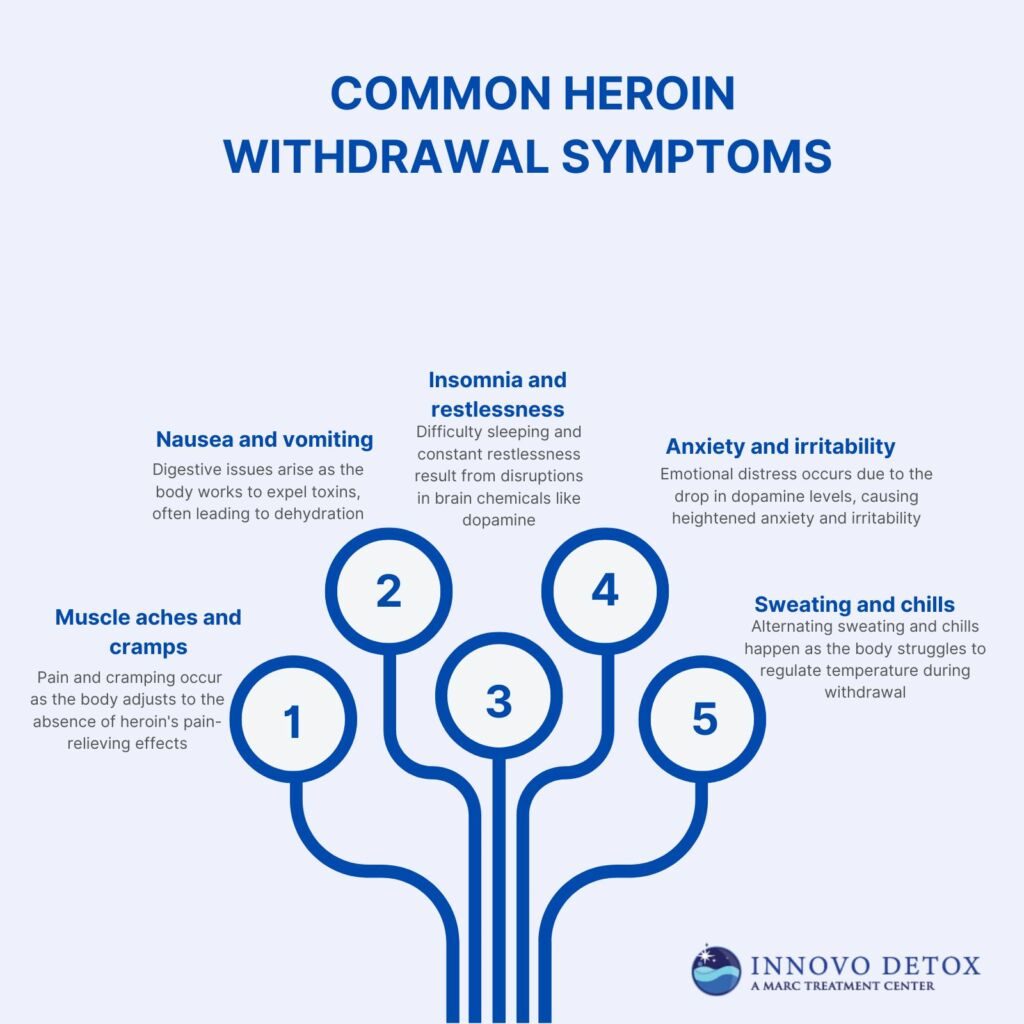
The common heroin withdrawal symptoms are as follows:
- Muscle aches and cramps: Muscle pain is one of the earliest signs of heroin withdrawal, ranging from mild discomfort to severe cramping. This occurs as the body adjusts to the absence of heroin’s sedative effects, which previously suppressed pain signals. Bluthenthal RN, Simpson K, et al. 2020, in their study titled “Opioid withdrawal symptoms, frequency, and pain characteristics as correlates of health risk among people who inject drugs,” show that over 85% of users report muscle pain during withdrawal.
- Nausea and vomiting: Digestive issues like nausea and vomiting are common symptoms. These occur due to heroin’s impact on the gastrointestinal system and the body’s attempt to expel toxins. Severe vomiting leads to dehydration, underscoring the need for medical supervision during withdrawal.
- Insomnia and restlessness: Difficulty sleeping and constant restlessness are hallmark symptoms of heroin withdrawal. These stem from disrupting brain chemicals like dopamine and serotonin, which regulate sleep and relaxation. Insomnia affects over 60% of heroin users during withdrawal, prolonging discomfort, according to “Clinical Guidelines for Withdrawal Management and Treatment of Drug Dependence in Closed Settings.”
- Anxiety and irritability: Psychological symptoms like anxiety and irritability are prevalent as the brain struggles to regain balance without heroin. The sudden drop in dopamine levels leads to heightened emotional sensitivity, contributing to these distressing mental states.
- Sweating and chills: Many individuals experience profuse sweating and alternating chills due to the body’s effort to regulate temperature. These symptoms are part of the body’s physical response to heroin withdrawal and are severe in cases of long-term use.
Can Heroin Withdrawal Be Life-Threatening?
Yes, heroin withdrawal can be life-threatening, but it is rare. While heroin withdrawal is usually not fatal, severe symptoms like dehydration from vomiting and diarrhea or underlying health issues make it dangerous. Medical supervision during withdrawal is important for managing symptoms safely and preventing complications.
Should You Quit Heroin Abruptly?
No, you should not quit heroin abruptly. Quitting heroin “cold turkey” is risky. Sudden cessation leads to severe withdrawal symptoms like intense cravings, agitation, and dehydration, increasing the risk of relapse. Gradual tapering under medical detox supervision is the safest and most effective way to quit heroin.
How Do Heroin Withdrawal Symptoms Differ From Other Opioid Addictions?
Heroin withdrawal tends to be more intense than withdrawal from other opioids due to its potency and method of use. Unlike withdrawal from oxycodone or fentanyl, heroin withdrawal begins sooner and peaks faster, causing symptoms like severe muscle aches, restlessness, and nausea. The short-acting nature of heroin leads to quicker onset withdrawal symptoms, making the experience more acute.
What Are the Best Treatment Approaches for Heroin Addiction?
The best treatment approaches for heroin addiction are detoxification, Medication-Assisted Treatment (MAT), behavioral therapies, holistic therapies, and tailored inpatient or outpatient programs. These approaches address both physical dependence and psychological aspects of addiction to ensure comprehensive recovery.
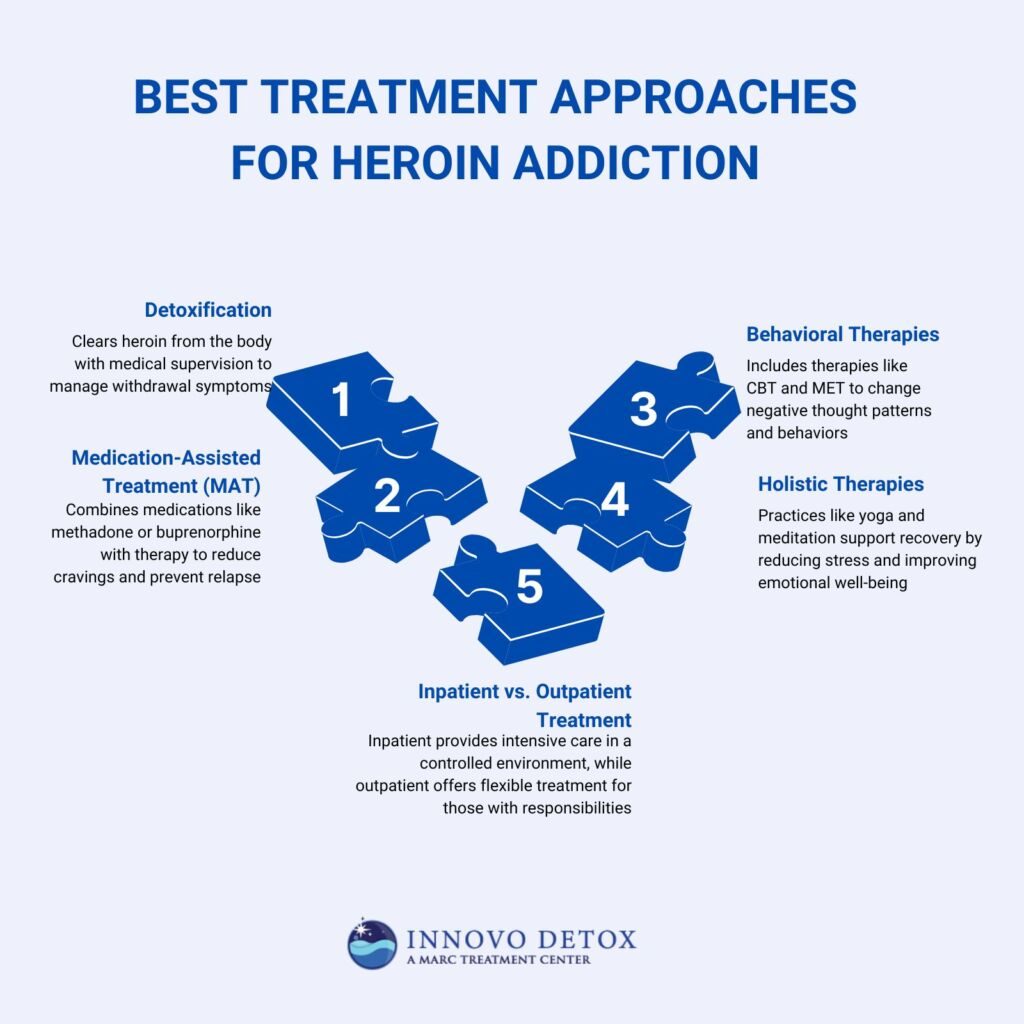
The best treatment approaches for heroin addiction are as follows:
1. Detoxification
Detoxification is the process of clearing heroin from the body under medical supervision. It is the first step in treatment and helps manage withdrawal symptoms safely, with medications to ease discomfort. Medical oversight during detox reduces the risk of complications and prepares individuals for further treatment.
2. Medication-Assisted Treatment (MAT)
MAT combines FDA-approved medications, such as methadone, buprenorphine, and naltrexone, with therapy to manage cravings and prevent relapse. Methadone and buprenorphine reduce withdrawal symptoms, while naltrexone blocks heroin’s euphoric effects.
MAT has proven highly effective, showing a 50–60% success rate in long-term sobriety, as studied by Feelemyer J et al. 2014, titled “Retention of participants in medication-assisted programs in low- and middle-income countries: an international systematic review.”
3. Behavioral Therapies
Behavioral therapies, such as Cognitive Behavioral Therapy (CBT), Motivational Enhancement Therapy (MET), group therapy, and contingency management, focus on altering negative thought patterns and behaviors associated with addiction.
CBT is widely considered one of the most effective treatments for addiction, according to a study by Magill M, Kiluk BD, and Ray LA. et al. 2023, titled “Efficacy of Cognitive Behavioral Therapy for Alcohol and Other Drug Use Disorders: Is a One-Size-Fits-All Approach Appropriate?” showing it improves recovery outcomes by up to 26%.
4. Holistic Therapies
Holistic therapies like yoga, meditation, and acupuncture are complementary treatments that address the mind-body connection. These practices reduce stress, improve emotional well-being, and support overall recovery. While not standalone treatments, they enhance traditional methods by promoting relaxation and mindfulness.
5. Inpatient vs. Outpatient Treatment
Inpatient treatment provides a structured, residential environment with 24/7 medical and emotional support, making it highly effective for individuals with severe addictions. Outpatient treatment allows individuals to continue living at home while receiving professional care, offering flexibility for those with responsibilities like work or family.
Inpatient treatment is compared to outpatient treatment in the following ways:
- Inpatient Treatment: Inpatient treatment provides intensive, round-the-clock care in a controlled setting, ensuring medical stability and emotional support. It removes individuals from triggers, creating a focused recovery environment that promotes long-term success.
- Outpatient Treatment: Outpatient allows individuals to receive high-quality treatment while maintaining their daily responsibilities. It provides structured therapy and support while enabling individuals to stay connected with family and work, making it a practical and accessible option for many.
How Long Does It Take to Recover from Heroin Addiction?
It takes several months to years to recover from heroin addiction, depending on the individual and treatment method. Detoxification takes one to two weeks, while behavioral therapies and Medication-Assisted Treatment (MAT) last several months. Full psychological and emotional recovery extends over the years, influenced by factors like support systems and relapse prevention.
Can Heroin Addiction Be Fully Recovered?
No, heroin addiction can not be fully recovered, but it is manageable. Recovery from heroin addiction is an ongoing process rather than a one-time event, requiring long-term commitment to treatment and implementing prevent relapse plans. With proper support, individuals sustain sobriety and lead fulfilling lives.
What Percentage of Individuals Struggling with Heroin Addiction Recover?
The percentage of individuals struggling with heroin addiction who recover is 30-50%, with success rates varying based on access to treatment and support, according to the National Institute for Drug Abuse (NIDA). Combining Medication-Assisted Treatment (MAT) with behavioral therapies significantly improves outcomes, emphasizing the importance of comprehensive care in increasing recovery rates.
How Can Heroin Addiction Be Prevented?
Heroin addiction can be prevented by promoting education, raising awareness, and fostering community support. Educational campaigns that inform about the dangers of opioid misuse, alongside programs aimed at reducing stigma, play an important role in prevention. Community initiatives that provide resources and support systems help individuals at risk avoid addiction. Early intervention through proper prescription monitoring and addressing mental health challenges also significantly reduces the likelihood of heroin use.
How Do Community Initiatives Help Prevent Heroin Addiction?
Community initiatives help prevent heroin addiction by focusing on education, outreach, and access to treatment. Programs like the Prescription Drug Monitoring Program (PDMP) and awareness campaigns such as “Stop Overdoses in PA” aim to reduce opioid misuse. Local efforts, including naloxone distribution and addiction support services, have contributed to a decline in overdose deaths. Community-based outreach programs and partnerships with healthcare providers further emphasize prevention and recovery resources, addressing the heroin epidemic holistically.
How to Help Someone Struggling With Heroin Addiction?
To help someone struggling with heroin addiction, it’s important to approach them with compassion, encourage professional treatment, and provide ongoing support. Recognizing the problem and taking proactive steps make a significant difference in their recovery journey and ensure treatment for heroin addiction.
To help someone struggling with heroin addiction, the following strategies are employed:
- Encourage Treatment: Helping someone seek professional treatment is required. Research local programs or facilities offering specialized care. Consider options like treatment for heroin addiction, which provides medical detox and therapy designed for recovery.
- Offer Emotional Support: Being empathetic and nonjudgmental fosters trust and motivates the individual to seek help. Let them know they are not alone and that recovery is possible with the right guidance.
- Educate Yourself: Learn about heroin addiction, its effects, and treatment options to better understand their struggles. Being informed allows you to offer meaningful advice and support during their recovery process.
- Establish Boundaries: While providing support, set healthy boundaries to protect yourself from enabling behaviors. Encourage accountability and avoid actions that inadvertently support their addiction.
- Assist with Logistics: Help with practical matters like scheduling treatment appointments, arranging transportation, or finding support groups. These actions ease the burden and demonstrate your commitment to their recovery.
What Local Support Groups Are Available for Families Affected by Heroin Addiction in Pennsylvania?
Local support groups that are available for families affected by heroin addiction in Pennsylvania include government-run helplines, free state-supported rehab programs, and specialized facilities like Innovo Detox. These resources provide counseling, education, and peer support to help families navigate the challenges of addiction.
Local support groups that are available for families affected by heroin addiction in Pennsylvania are as follows::
- PA Get Help Now: A statewide helpline operated by the Pennsylvania Department of Drug and Alcohol Programs (1-800-662-HELP). It connects families and individuals with addiction treatment resources, including free rehab programs.
- Alcohol Detox & Drug Detox in Pennsylvania: Innovo Detox is a specialized detox facility offering tailored treatment for heroin and opioid addiction.
- Al-Anon Family Groups: Provides support for families dealing with the challenges of a loved one’s addiction. Pennsylvania hosts multiple local Al-Anon meetings to help families share experiences and coping strategies.
- Single County Authorities (SCAs): Local government offices in Pennsylvania that manage publicly funded addiction treatment services, including free or low-cost rehab programs and family counseling.
What Is the Prognosis of Heroin Addiction?
The prognosis of heroin addiction depends on factors like early intervention, comprehensive therapy, and strong support networks. Individuals who engage in Medication-Assisted Treatment (MAT) and behavioral therapies have significantly better recovery outcomes. Relapse rates remain high, with approximately 40-60% of individuals relapsing within the first year, according to the National Institute on Drug Abuse 2023, titled “Treatment and Recovery.” In Pennsylvania, community-based programs and access to treatment have improved long-term sobriety rates, highlighting the importance of ongoing support and monitoring.
How Long Do Individuals with Heroin Addiction Live?
Individuals with heroin addiction live 18.3 years less than the general population, with untreated addiction significantly reducing life expectancy, according to a study by Smyth B, Hoffman V, Fan J, and Hser YI. et al. 2007, titled “Years of potential life lost among heroin addicts 33 years after treatment.” Mortality rates are high due to overdose, infectious diseases, and lifestyle factors. However, those who enter treatment and maintain recovery extend their lifespan and improve their quality of life.