The first step in treating alcohol addiction is recognising you have a problem. This awareness is key — without it, harmful drinking continues and recovery gets delayed. Signs that you need help include losing control over drinking, withdrawal symptoms, neglected responsibilities, and damaged relationships — all pointing to alcohol use disorder (AUD).
Family, friends, doctors, and support groups can guide and support you through this first step. Their encouragement helps you face denial and take action. According to the same NCDAS report, Pennsylvania experiences an average of 5,703 annual deaths attributable to excessive alcohol use. That is one death for every 2,280 adults aged 18 and older.
Common barriers like stigma, cost, fear of withdrawal, or lack of support also hold you back, but pushing through them is worth it. Once you’re ready, you’ll begin with an evaluation, build a treatment plan, and start detox if needed.
Why Is Acknowledging Alcohol Addiction Crucial for Seeking Treatment?
Acknowledging your alcohol addiction is necessary for seeking treatment because, without self-awareness, it’s hard to admit there’s a problem, and without that admission, seeking help becomes unlikely. Facing the truth helps you break free from denial and take control of your life.
Denial keeps many stuck. It’s easy to justify or downplay drinking, but this delay in action can be dangerous. According to the SAMHSA Behavioral Health Barometer (2017–2019), 10.6% of young adults in Pennsylvania — about 138,000 people — lived with alcohol use disorder (AUD) each year.
When you acknowledge the issue, you’re far more likely to seek treatment and stay sober. That honest first step opens the door to real change.
How Does Denial Prevent Recovery from Alcoholism?
Denial prevents recovery from alcoholism because it keeps you stuck by distorting how you see your drinking. You tell yourself you’re in control, even when the signs clearly say otherwise. That’s self-deception — convincing yourself there’s no problem, just to avoid facing the truth.
Then there’s cognitive dissonance — that inner conflict when your actions don’t line up with how you see yourself. You want to believe you’re responsible, but your drinking says otherwise. To protect your self-image, you minimise how much you drink or justify it. These mental habits make it harder to accept that alcohol has taken over.
This mindset delays treatment. You brush off alcoholism concerns from family, ignore warning signs, or tell yourself you don’t need help — that it’s just a phase or a choice. But the numbers tell a different story.
According to the National Institute on Alcohol Abuse and Alcoholism (NIAAA), about 95.4% of people with alcohol use disorder (AUD) don’t think they need treatment. That’s nearly everyone struggling, trapped in denial.
Facing this truth isn’t easy, but it’s necessary. The moment you acknowledge that alcohol is hurting your health, relationships, and peace of mind, you open the door to change. Overcoming denial gives you the clarity to seek help, commit to recovery, and start building a better, alcohol-free life.
What Are the Signs That You Need Help for Alcohol Addiction?
The signs that you need help for alcohol addiction are persistent cravings, loss of control over drinking, and withdrawal symptoms. These indicators worsen over time, making it increasingly difficult to manage alcohol use without professional intervention.

The signs that you need help for alcohol addiction are as follows:
- Inability to Control Drinking: One of the most common signs of alcohol use disorder is the inability to limit alcohol consumption despite repeated attempts to cut it down. According to the DSM-5 criteria for AUD, individuals find themselves drinking more alcohol than intended or for longer periods.
- Neglecting Responsibilities: Alcohol addiction leads to a decline in productivity and commitment to personal, professional, or educational responsibilities. Missing work, failing to meet deadlines, or neglecting family duties are clear indications that alcohol is interfering with daily life.
- Increasing Tolerance: As alcohol addiction progresses, the body builds tolerance, requiring larger amounts of alcohol to achieve the desired effects. This adaptation requires higher alcohol intake to achieve the desired effects, gradually leading to dependence.
- Withdrawal Symptoms: Experiencing physical or psychological symptoms such as anxiety, tremors, sweating, nausea, or seizures when not drinking is a significant sign of alcohol dependence.
- Persistent Cravings: Individuals with alcohol addiction experience intense urges to drink, making it challenging to focus on anything else. Cravings are a fundamental aspect of AUD that significantly contributes to relapse if left unaddressed.
- Continued Drinking Despite Negative Consequences: Continuing to drink despite harmful effects on health, relationships, or overall quality of life is a major sign that professional help is needed.
What Questions Should You Ask Yourself About Your Drinking Habits?
You should ask yourself questions about your drinking habits like, “Do I drink to cope with stress?” and “Have I tried to cut down but failed?” Reflecting on such questions helps you gain clarity about whether your alcohol use is problematic.
- Do I drink to cope with stress, anxiety, or emotional pain? Drinking as a way to manage negative emotions is a common sign of alcohol use disorder. Using alcohol as a coping mechanism quickly becomes a destructive pattern that worsens mental health issues.
- Have I tried to cut down or quit drinking but failed repeatedly? Failed attempts to reduce alcohol consumption indicate a lack of control over drinking habits, which is a key symptom of alcohol addiction.
- Do I often drink more than I initially intended? Consistently exceeding your planned limit suggests difficulty in regulating alcohol intake, even when you acknowledge the need to limit consumption.
- Have I experienced memory blackouts or gaps due to drinking? Regular memory loss or blackouts are serious signs of alcohol misuse, indicating harmful effects on brain function.
- Is my drinking affecting my work, relationships, or health? If alcohol use disrupts important areas of your life, it is time to seek professional guidance and support.
- Do I feel guilty or ashamed about my drinking habits? Persistent guilt or shame reflects an awareness of unhealthy drinking patterns, which require intervention.
- Do I experience withdrawal symptoms when I try to stop drinking? Symptoms like anxiety, tremors, or nausea when not drinking indicate physical alcohol dependence.
When Should You Seek a Professional Evaluation for Alcohol Use Disorder (AUD)?
You should seek a professional evaluation for AUD when your drinking habits interfere with daily life, relationships, or overall well-being. If you find yourself unable to control alcohol consumption, experience withdrawal symptoms, or frequently drink more than intended, it is important to consult a doctor or addiction specialist.
A medical evaluation helps assess the severity of your alcohol use and determine the appropriate level of care. Healthcare providers use alcohol screening tools such as the Alcohol Use Disorders Identification Test (AUDIT) or the CAGE questionnaire to diagnose AUD.
According to the DSM-5 criteria, AUD is classified based on symptoms such as strong cravings, continued use despite negative consequences, and neglecting responsibilities due to drinking.
If you meet two or more of these criteria within a 12-month period, seeking professional help is strongly recommended. Early intervention increases the chances of successful recovery and prevents long-term health complications.
Who Can Help You Take the First Step in Alcohol Addiction Treatment?
Family, friends, and medical professionals can help you take the first step in alcohol addiction treatment by offering guidance, encouragement, and emotional support.
A strong support system is required to overcome denial, reduce feelings of isolation, and motivate you to seek professional care. Loved ones help you recognize the impact of alcohol use on your life and assist in finding treatment options that suit your needs.
If you or someone you know is struggling, consider reaching out for alcohol addiction treatment to start the journey toward sobriety.
What Professional Resources Are Available for Getting Started with AUD Treatment?
Professional resources available for getting started with AUD treatment are rehabilitation centers, helplines, and online support platforms. These resources provide important guidance, medical care, and emotional support to individuals dealing with alcohol use disorder (AUD).
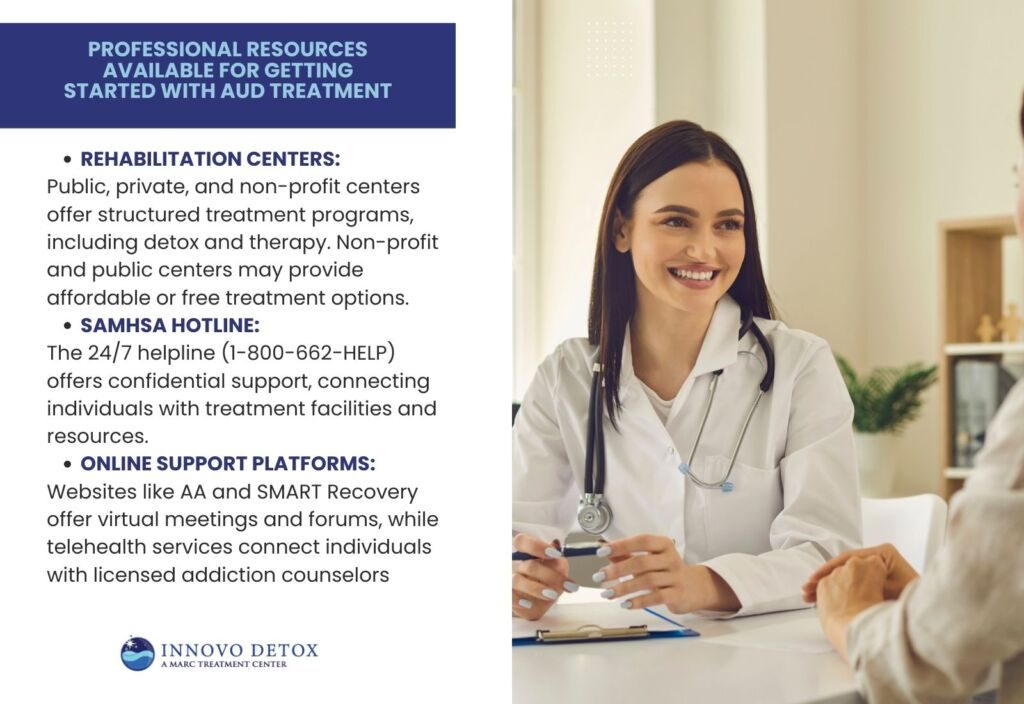
The following professional resources are available for getting started with AUD treatment:
- Rehabilitation Centers: Public, private, and non-profit rehabilitation centers offer structured treatment programs designed to address AUD through medical detoxification, counseling, and behavioral therapies. These facilities provide comprehensive, evidence-based care that caters to individuals’ unique needs.
- SAMHSA Hotline: The Substance Abuse and Mental Health Services Administration (SAMHSA) offers a confidential, toll-free helpline at 1-800-662-HELP (4357) available 24/7. This resource connects individuals struggling with alcohol use disorder to treatment facilities, support groups, and community-based organizations.
- Online Support Platforms: Various online resources offer virtual support for individuals dealing with AUD. Websites like Alcoholics Anonymous (AA) and SMART Recovery provide information, forums, and virtual meetings where individuals share experiences and receive encouragement.
What Are the Most Common Barriers to Seeking Alcohol Addiction Treatment?
The most common barriers to seeking alcohol addiction treatment are social stigma, financial barriers, fear of withdrawal, and lack of accessibility. These obstacles prevent individuals from pursuing the help they need, even when they recognize the harmful effects of alcohol use disorder (AUD) on their lives.
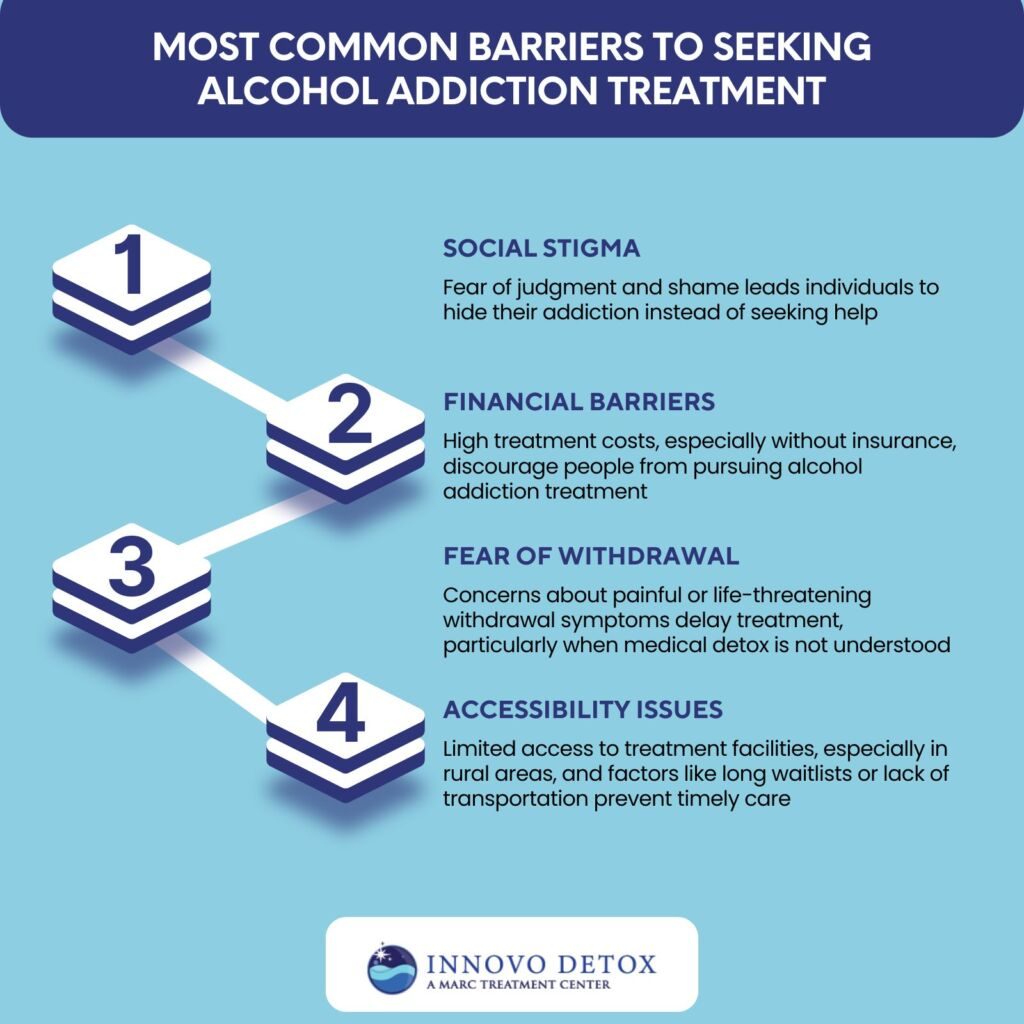
The most common barriers to seeking alcohol addiction treatment are as follows:
- Social Stigma: The fear of being judged or labeled as an alcoholic discourages people from seeking help. Social stigma causes feelings of shame, embarrassment, and denial, leading individuals to hide their addiction rather than confront it.
- Financial Barriers: The cost of alcohol addiction treatment is prohibitive, particularly for those without adequate health insurance or financial resources. Residential rehab programs, counseling sessions, and medications are expensive, making individuals reluctant to pursue treatment.
- Fear of Withdrawal: Many individuals fear the painful and sometimes life-threatening symptoms of alcohol withdrawal, such as seizures, hallucinations, and delirium tremens (DTs). This fear delays the decision to seek professional treatment, especially when individuals lack knowledge about medical detox and supportive care.
- Accessibility Issues: Limited access to treatment facilities, especially in rural or underserved areas, is a significant barrier. Factors such as long waiting lists, lack of transportation, and inadequate healthcare infrastructure prevent individuals from accessing timely and effective treatment.
How Can You Overcome Stigma and Self-Doubt in Seeking Treatment for Alcohol Addiction?
You can overcome stigma and self-doubt in seeking treatment for alcohol addiction by acknowledging that recovery is a personal journey that deserves compassion, not judgment. Accepting that alcohol use disorder (AUD) is a medical condition rather than a moral failing helps you challenge negative beliefs and reduce shame.
Educating yourself about addiction as a disease rooted in biological, psychological, and environmental factors empowers you to pursue help without feeling undeserving or weak.
Building a supportive network is important for overcoming stigma and self-doubt. Surrounding yourself with empathetic individuals who understand your struggles and encourage your progress significantly boosts your confidence.
Trusted family members, friends, counselors, and peer support groups help you feel accepted and understood. Engaging with others who have successfully navigated their recovery journey inspires hope and reinforces your belief in the possibility of change.
What Happens After You Decide to Get Help for Alcohol Addiction?
After you decide to get help for alcohol addiction, you begin a structured journey toward recovery that involves several important steps. The process starts with a comprehensive assessment by addiction professionals who evaluate your physical, psychological, and emotional health to determine the most appropriate treatment approach. This evaluation helps create a customized treatment plan tailored to your specific needs and recovery goals.

After you decide to get help for alcohol addiction, you follow the following steps:
- Intake Process: During the intake process, addiction specialists gather detailed information about your alcohol use history, medical conditions, mental health status, and personal goals. This stage involves interviews, questionnaires, and sometimes physical exams to ensure a thorough understanding of your condition.
- Detox: Detoxification, or detox, is the process of eliminating alcohol from your body under medical supervision. It is important for managing withdrawal symptoms safely and comfortably, especially for individuals with severe alcohol dependence. Medical detox involves medication to reduce cravings and prevent complications.
- Treatment Planning: After detox, a comprehensive treatment plan is developed to address the underlying causes of your addiction. This plan includes a combination of therapies such as cognitive-behavioral therapy (CBT), counseling, peer support groups, and relapse prevention strategies. The goal is to provide a structured framework for achieving long-term sobriety.
How Do You Choose the Right Alcohol Addiction Treatment Program in Pennsylvania?
To choose the right alcohol addiction treatment program in Pennsylvania, you need to assess your specific needs, evaluate treatment options, and consider factors like program type, intensity, duration, and success rates.

You choose the right alcohol addiction treatment program by considering the following things:
- Type of Treatment Program: Treatment options include inpatient, outpatient, and partial hospitalization programs. Inpatient programs provide 24/7 care in a structured environment, which is highly effective for severe cases of AUD. Outpatient programs allow individuals to receive treatment while maintaining daily responsibilities, but they are less effective for those with severe addiction.
- Program Intensity and Duration: The intensity and length of treatment vary depending on individual needs. Short-term programs last 30 days, while long-term programs extend to 90 days or more. Longer programs yield better outcomes, particularly for those with chronic alcoholism or repeated relapses.
- Therapeutic Approaches: Evaluate whether the program offers evidence-based therapies such as cognitive-behavioral therapy (CBT), motivational interviewing, family therapy, and relapse prevention planning.
- Success Rates and Aftercare Support: Inpatient programs have higher success rates than outpatient programs, partly due to their structured environment and round-the-clock supervision. Effective aftercare support, such as counseling, peer support groups, and relapse prevention strategies, is important for maintaining long-term sobriety.
- Cost and Accessibility: Financial barriers are a significant concern. Comparing costs and assessing insurance coverage for various programs helps in making a practical decision. Public, private, and non-profit rehab centers and sliding-scale fee options are also available.
Can You Quit Drinking on Your Own?
Yes, you can quit drinking on your own, but it carries significant risks, especially for heavy drinkers. Attempting to quit alcohol abruptly without professional help results in severe withdrawal symptoms, such as tremors, seizures, confusion, and hallucinations.
Medical supervision is important for those with severe alcohol dependence due to the risk of life-threatening withdrawal symptoms. A structured medical detox program provides safety and support during this necessary phase.
How Do You Know If You Need Alcohol Detox?
You know if you need alcohol detox when you experience tremors, shaking, seizures, hallucinations, or severe anxiety. Professional alcohol detox programs offer supervised care to prevent complications and prepare you for continued recovery.
You know if you need alcohol detox when you experience any of the following symptoms:
- Tremors and Shaking: Involuntary shaking of the hands or other body parts occurring within hours of the last drink.
- Seizures: Uncontrolled convulsions or muscle spasms, which are life-threatening if untreated.
- Confusion and Hallucinations: Experiencing altered perception, disorientation, or seeing or hearing things that aren’t real.
- Excessive Sweating and Rapid Heart Rate: Physical symptoms indicating the body is struggling to adjust without alcohol.
- Severe Anxiety and Irritability: Mental health symptoms intensify during withdrawal, making it difficult to cope without medical support.
What Should You Do If You Relapse After Deciding to Seek Help?
If you relapse after deciding to seek help, you should not be discouraged, as relapse is a common part of the recovery journey, and it does not mean failure. Here are the steps you take to get back on track.
- Acknowledge the Relapse Without Shame: Understand that relapse happens to many people recovering from alcohol addiction. Studies by NIAAA indicate that about 40% to 60% of individuals experience relapse at least once during their recovery journey.
- Reach Out to Your Support System: Contact trusted friends, family, or your therapist for encouragement and guidance.
- Evaluate What Went Wrong: Reflect on the triggers or circumstances that led to the relapse. Understanding these factors helps you improve your treatment plan.
- Adjust Your Treatment Plan: Consult with your addiction specialist to modify your recovery plan, whether by changing your therapy approach, increasing counseling sessions, or considering additional support.
- Rejoin or Join a Support Group: Connecting with others who have experienced relapse provides motivation and valuable insights. Groups like Alcoholics Anonymous (AA) offer peer support and accountability.
- Commit to Moving Forward: Remember that relapse is a setback, not a failure. Stay focused on your goals and continue working toward long-term sobriety.