
An alcohol intervention is designed to help individuals recognise the severity of their alcohol use and motivate them to take the first step toward recovery.
According to a study by the National Institute on Alcohol Abuse and Alcoholism (NIAAA) titled “Alcohol Use Disorder and Alcohol Treatment,” 2023, interventions have been shown to increase the likelihood of individuals with AUD seeking professional treatment, which improves recovery outcomes.
The signs that an alcohol intervention is needed include escalating health issues, strained relationships, and denial of alcohol dependence. Symptoms include increased alcohol consumption, memory blackouts, physical damage such as liver issues, or behavioural changes like mood swings.
There types of alcohol interventions include the Johnson Model, ARISE, Invitational Intervention, Systemic Family Intervention, and Motivational Interviewing. These interventions differ in approach, from confrontational models to more supportive, relational techniques.
According to a study by Judith Landau titled “Strength in Numbers: The ARISE Method for Mobilizing Family and Network to Engage Substance Abusers in Treatment,” published in The American Journal of Drug and Alcohol Abuse in 2000, ARISE interventions resulted in an 83% success rate for engaging individuals in treatment.
The steps involved in an effective alcohol intervention include preparation, assembling the intervention team, creating an intervention plan, delivering the intervention, and following up with the individual after the intervention. These steps ensure the process is structured and that the individual feels supported.
The challenges that Alcohol interventions face are emotional and practical difficulties, including resistance, emotional backlash, and logistical challenges. Individuals react defensively or even with anger, especially if they are in denial about their alcohol use.
According to the National Institute on Alcohol Abuse and Alcoholism (NIAAA), in the report “Alcohol Use Disorder and Interventions,” 2021, 40% of alcohol interventions face resistance from the individual being confronted.
The risks of alcohol interventions include emotional backlash, safety concerns, and the lack of a structured approach. The individual feels ambushed, which results in anger or aggression that escalates the situation.
According to a study by the National Institute on Alcohol Abuse and Alcoholism (NIAAA) titled “Alcohol Use Disorder: A Comparison of Treatment and Intervention Methods,” published in 2023, interventions conducted without professional support are 30% less likely to result in treatment acceptance.
What Is An Alcohol Intervention?
An alcohol intervention is a structured process where family members, friends, and sometimes professionals confront an individual about their alcohol consumption. The goal is to help the person recognise the impact of their behaviour and encourage them to seek treatment for alcohol use disorder (AUD).
According to a study by the National Institute on Alcohol Abuse and Alcoholism (NIAAA) titled “Alcohol Use Disorder and Alcohol Treatment,” 2023, 7.9% of individuals with past-year alcohol use disorder received treatment in the past year.
Alcohol interventions are used when an individual’s drinking habits become life-threatening, affecting their physical and mental health.
Interventions are important in addiction recovery because they provide a clear, non-confrontational path to recovery. They create a safe space for the individual to face the reality of their situation and make the decision to get help. The intervention process is guided by the principle that recognising alcohol dependency is the first step toward healing.
What Are The Common Signs That Indicate The Need For An Alcohol Intervention?
The common signs that indicate the need for an alcohol intervention include increased alcohol consumption, health issues, inability to cut back, neglecting responsibilities, behavioural changes, legal or financial issues, blackouts, relationship strain, withdrawal symptoms, and using alcohol as a coping mechanism. These signs point to alcohol abuse and suggest that the individual is struggling with alcohol use disorder (AUD).
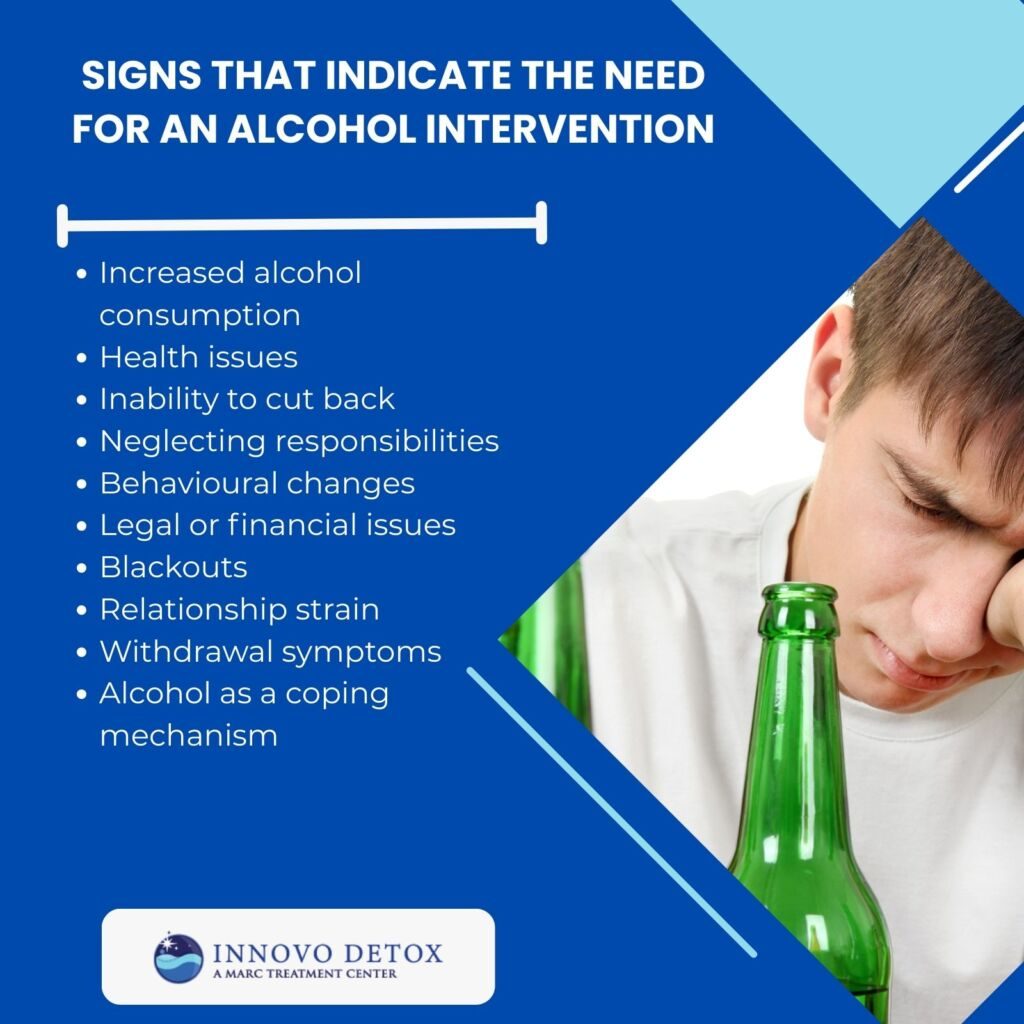
The common signs that indicate the need for an alcohol intervention are explained below:
- Increased Alcohol Consumption: Drinking more alcohol over time or more frequently than intended is a key sign of alcohol abuse. This suggests the individual’s tolerance to alcohol has developed, requiring more to feel the effects.
- Health Issues: Physical health problems such as liver damage, brain damage, and gastrointestinal issues occur as a result of long-term alcohol consumption. These health issues worsen without intervention, leading to serious complications.
- Inability to Cut Back: When someone repeatedly attempts to reduce alcohol consumption but fails, it signals a loss of control, which is central to alcohol use disorder.
- Neglecting Responsibilities: Alcohol use interferes with work, school, or family obligations. Missing deadlines or neglecting personal responsibilities indicate that alcohol consumption is taking precedence.
- Behavioural Changes: Mood swings, irritability, or extreme emotional responses indicate an alcohol dependence. These changes harm relationships and complicate personal or professional interactions.
- Legal or Financial Issues: Getting into legal trouble or experiencing financial problems due to alcohol misuse is a clear sign of alcohol abuse. Individuals might engage in risky behaviour, such as driving under the influence or spending excessive amounts of money on alcohol.
- Blackouts: Repeated episodes of blacking out or memory loss while drinking suggest that the alcohol consumption has reached a dangerous level. Blackouts occur when alcohol overwhelms the brain’s ability to store memories, leading to confusion and disorientation.
- Relationship Strain: Increased alcohol consumption strains relationships with family, friends, and coworkers. Constant arguments or emotional withdrawal be warning signs.
- Withdrawal Symptoms: Experiencing physical symptoms such as sweating, shaking, nausea, or headaches when not drinking is a sign of alcohol dependence. These symptoms indicate the body has become reliant on alcohol.
- Alcohol as a Coping Mechanism: Using alcohol to cope with stress, anxiety, depression, or trauma quickly spirals into abuse. This behaviour is an indication that alcohol is being used to manage negative emotions or mental health issues.
What Are The Different Types Of Alcohol Intervention Methods?
The different types of alcohol intervention methods are the Johnson Model Intervention, ARISE Intervention, Invitational Intervention, Systemic Family Intervention, Motivational Interviewing-Based Intervention, Crisis Intervention, Brief Intervention, and CRAFT Intervention. Each of these methods has a unique approach to encouraging individuals to seek treatment for alcohol use disorder.
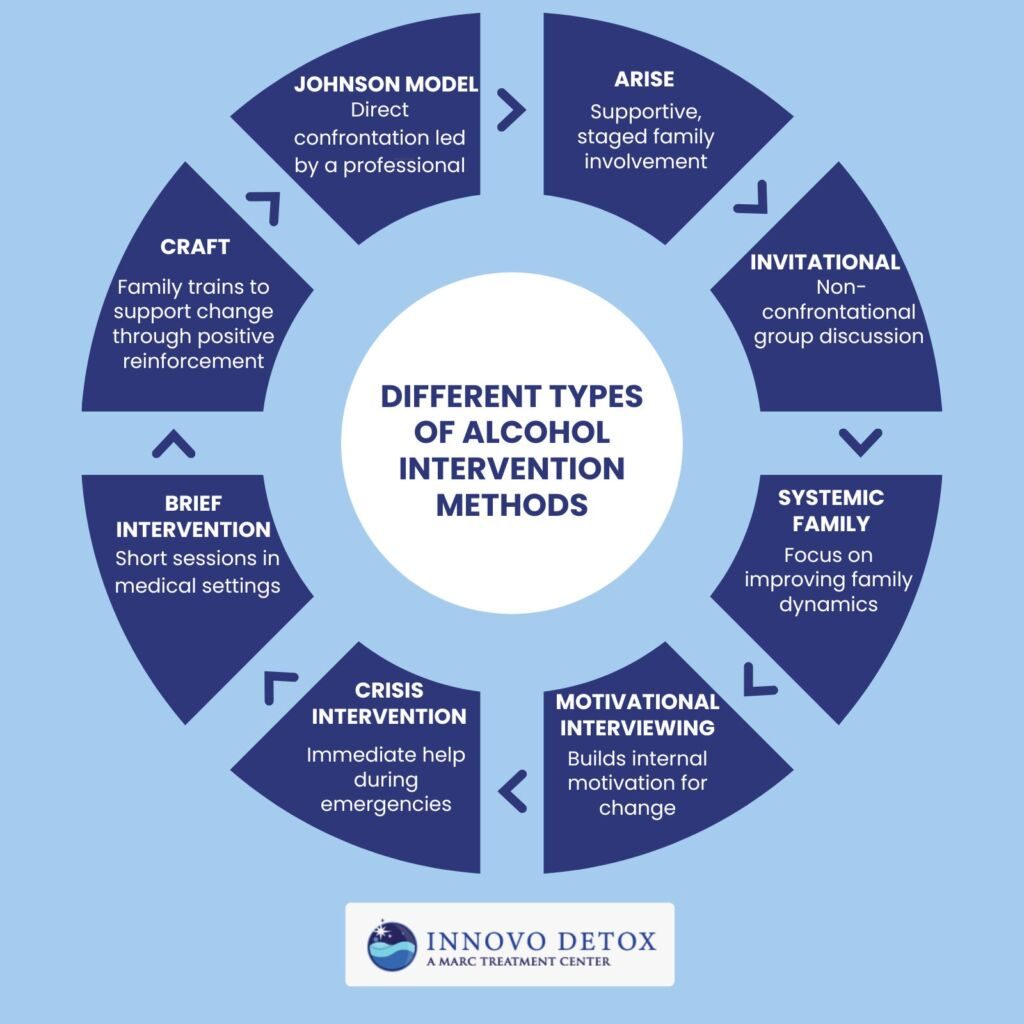
The different types of alcohol intervention methods are as follows:
Johnson Model Intervention
The Johnson Model Intervention is a direct, structured approach where family members, close friends, and sometimes professionals confront an individual about their alcohol use. It is led by a trained interventionist, who guides the group through pre-planned steps to ensure the intervention is effective and successful.
The group, following the interventionist’s guidance, communicates the emotional and behavioural consequences of the individual’s drinking. This intervention emphasises that the person’s alcohol use is harming both them and their loved ones, pushing them toward recognising the need for professional treatment.
ARISE (A Relational Sequence For Engagement) Intervention
The ARISE model is a family-centred intervention designed to engage individuals with alcohol use disorder (AUD) in treatment. It uses a collaborative approach where family members, close friends, and sometimes professionals work together in stages to encourage the individual to accept help. The model emphasises building trust and reducing resistance by ensuring that the person feels supported, rather than confronted.
A study by Judith Landau titled “Strength in Numbers: The ARISE Method for Mobilizing Family and Network to Engage Substance Abusers in Treatment,” published in the American Journal of Drug and Alcohol Abuse in 2000, demonstrated that the ARISE model resulted in an 83% success rate in engaging individuals in treatment.
This intervention is unique in that it involves multiple stages, including initial engagement with the family, followed by repeated offers of support until the person agrees to treatment. It is effective because it focuses on the individual’s readiness for change and uses a relational sequence to address the underlying dynamics of alcohol use.
Invitational Intervention
The Invitational Intervention is a non-confrontational approach where family members and friends invite the individual with alcohol use disorder (AUD) to discuss their alcohol consumption in a supportive and open environment.
Unlike more direct methods like the Johnson Model, this intervention does not press the individual to seek help immediately. Instead, it creates a space for the individual to consider the consequences of their drinking and the possibility of change.
This method contrasts with others, such as the Johnson Model and the ARISE intervention, which are more structured and confrontational. The Invitational Intervention focuses on maintaining a respectful tone, which reduces resistance but takes longer to lead to treatment acceptance. While less formal, this approach is still effective, especially for individuals who might be highly resistant to more direct interventions.
Systemic Family Intervention
The Systemic Family Intervention involves the individual’s family members working together to address the underlying family dynamics that contribute to alcohol use disorder (AUD). It focuses on changing the environment around the individual, aiming to improve relationships and communication within the family. By addressing these dynamics, the goal is to reduce the individual’s reliance on alcohol as a coping mechanism.
According to a study by the Substance Abuse and Mental Health Services Administration (SAMHSA) titled “TIP 39: Substance Use Disorder Treatment and Family Therapy,” 2019, family therapy is an effective approach for treating substance use disorders, including alcohol use disorder (AUD).
Compared to other interventions like the Johnson Model and ARISE, which focus on direct confrontation and engagement, the Systemic Family Intervention takes a broader approach. It not only focuses on the individual’s behaviour but also addresses how family relationships and issues influence the person’s alcohol use.
This method is particularly effective for individuals whose alcohol use is linked to family stress or dysfunction.
Motivational Interviewing-Based Intervention
Motivational Interviewing (MI) is a client-centred, directive method aimed at enhancing intrinsic motivation to change by exploring and resolving ambivalence. It is particularly effective in the context of alcohol use disorder (AUD), where individuals are reluctant to acknowledge the severity of their alcohol consumption.
MI works by creating a collaborative environment where the therapist and the individual explore their reasons for change and the benefits of reducing or stopping alcohol use.
According to a study by Jon Morgenstern titled “Dismantling Motivational Interviewing: Effects on Initiation of Behavior Change Among Problem Drinkers Seeking Treatment,” published in the Psychology of Addictive Behaviors in 2017, MI resulted in a 25% reduction in alcohol consumption among participants.
MI differs from other interventions in that it is not confrontational. Instead, it focuses on building trust and guiding the individual to a self-realisation of their need for change. This method has been proven effective in encouraging individuals to enter treatment and begin addressing their alcohol-related behaviours.
Crisis Intervention
Crisis Intervention is an immediate, short-term approach designed to assist individuals in crises, such as a severe alcohol overdose or a mental health emergency related to alcohol use.
The goal is to stabilise the individual, reduce immediate risks, and prevent further harm. Crisis interventions are conducted in emergency settings, such as hospitals or emergency rooms, where the individual is closely monitored until they are stable enough for long-term treatment.
Unlike interventions like the Johnson Model or ARISE, which are planned and involve family or close contacts, crisis interventions are reactive and focused on immediate stabilisation.
These interventions address the acute consequences of alcohol abuse, such as intoxication or withdrawal symptoms, and involve medical professionals. They are an important part of the treatment continuum, but are not a long-term solution for alcohol use disorder.
Brief Intervention
A Brief Intervention is a short, focused session aimed at motivating individuals to reduce harmful alcohol consumption. Lasting between 5 to 15 minutes, this intervention is used when individuals show signs of risky drinking behaviours but have not yet developed a severe alcohol use disorder (AUD). The goal is to raise awareness of the negative impact of alcohol and encourage healthier drinking habits.
Unlike other interventions, such as the Johnson Model, which require more extensive planning and involvement, brief interventions are conducted in primary care settings. These interventions are effective for individuals who have not yet been ready for more intensive treatments but still need to address their alcohol consumption.
CRAFT (Community Reinforcement And Family Training) Intervention
CRAFT is a family-centred intervention that trains family members on how to motivate their loved one with AUD to seek treatment. It differs from other interventions by focusing on reinforcing positive behaviours and improving communication within the family.
According to a study by Robert J. Meyers and Jane Smith titled “Effectiveness of CRAFT in Engaging Substance Users into Treatment,” published in Addiction in 2020, CRAFT interventions resulted in treatment entry rates of 77% to 86%.
CRAFT also provides family members with tools to manage their stress and avoid enabling behaviours, ensuring that they are better equipped to support their loved one in the recovery process.
Unlike the more confrontational approaches, such as the Johnson Model, CRAFT employs a positive reinforcement approach. It aims to empower the family rather than focus on confrontation. Studies show that CRAFT has a high success rate,
What Are The Steps Involved In An Effective Alcohol Intervention?
The steps involved in an effective alcohol intervention include preparation, assembling the intervention team, creating an intervention plan, delivering the intervention, and following up. Proper planning, having a clear intervention script, and offering continued support are all important to successfully encouraging the individual to seek treatment for alcohol use disorder (AUD).
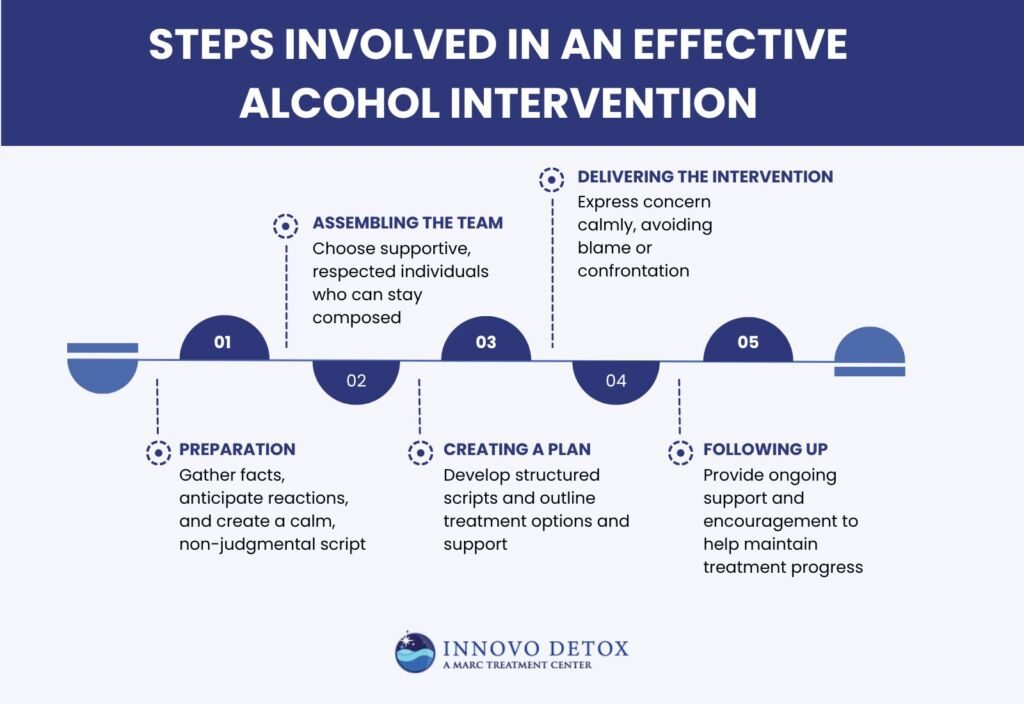
The steps involved in an effective alcohol intervention are:
- Preparation: The team gathers information about the individual’s alcohol use, researching treatment options, and anticipates possible reactions. The team should be prepared with facts and specific examples of the person’s behaviour. Preparing a calm, non-judgmental script helps guide the conversation.
- Assembling the Intervention Team: The team should consist of family members, friends, and others close to the individual with AUD. Each member should be supportive and emotionally prepared. It is important to select individuals whom the person respects and who stay calm during the intervention.
- Creating an Intervention Plan: The team develops a script for each person involved, specifying what they say during the intervention. The plan should outline what the individual is offered, such as treatment options and support. Having a clear structure increases the chances of the intervention being successful.
- Delivering the Intervention: The team, led by a trained professional, presents their concerns calmly and respectfully. The goal is to avoid confrontation, instead expressing concern and support for the individual. Clear, direct communication without blame or judgment helps minimise defensiveness.
- Following Up: After the intervention, the team should continue offering support to ensure the individual follows through with treatment. It is important to stay involved and check in regularly to keep the person motivated. This ongoing support strengthens the likelihood of long-term recovery.
What Are The First Steps In Staging An Alcohol Intervention?
The first steps in staging an alcohol intervention include planning, gathering information, and preparing the intervention team. These steps ensure the intervention is effective and that all participants are aligned on the goal of encouraging the individual with alcohol use disorder (AUD) to seek treatment.
The first steps in staging an alcohol intervention are:
- Planning: The planning phase involves deciding on the goals of the intervention, identifying treatment options, and setting a clear agenda. Everyone involved should understand the purpose of the intervention and the desired outcome. Preparing in advance ensures a more organised and productive conversation.
- Gathering Information: Collecting details about the individual’s alcohol use, its impact on their life, and available treatment options is important. This data helps build a strong case for why the person needs help and provides direction for the intervention. Having specific examples of the individual’s behaviour strengthens the message.
- Preparing the Intervention Team: The team should consist of close family members, friends, and possibly a professional interventionist. Everyone should be emotionally ready and informed about the process. Clear communication among the team members before the intervention ensures that everyone knows their role and stays focused on the goal.
What Challenges With Alcohol Intervention?
The challenges with alcohol intervention include emotional backlash, practical difficulties, and resistance to change. These challenges require careful planning and emotional resilience from the intervention team to ensure the process remains productive and does not further harm relationships.
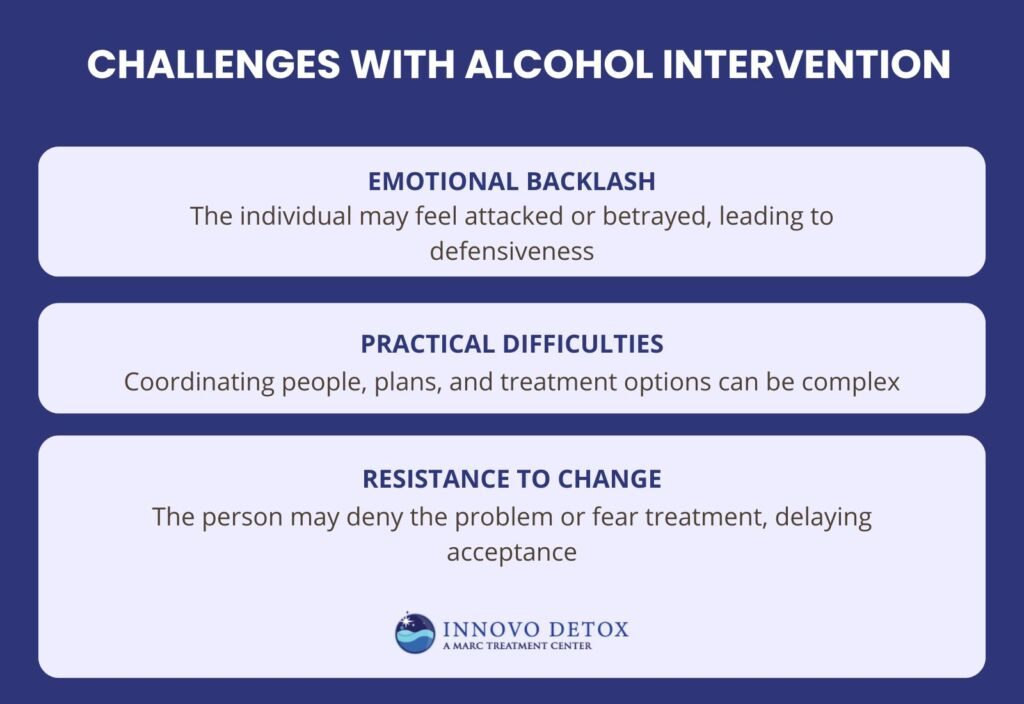
The challenges with alcohol intervention are:
- Emotional Backlash: The person being confronted feels betrayed or angry, leading to a defensive reaction. This is particularly true if they are in denial about their alcohol use or feel attacked. The intervention team needs to stay calm and avoid blaming language to minimize emotional responses.
- Practical Difficulties: Organising an intervention requires coordinating schedules, ensuring everyone is prepared, and ensuring the treatment options are available. Sometimes, logistical issues delay the intervention, or family members disagree on how to approach the person. Having a clear plan and consensus among the team helps mitigate these challenges.
- Resistance to Change: The individual is not ready to accept help and resists the treatment options offered. This resistance stems from fear of change, concerns about stigma, or a lack of readiness to address the problem. It’s important to be patient and provide ongoing support, even if the initial intervention is met with resistance.
What Treatment Options Are Available After An Alcohol Intervention?
The treatment options available after an alcohol intervention are detoxification, rehabilitation programs, therapy, and support groups. These options are designed to address the physical, emotional, and social aspects of alcohol use disorder (AUD).
According to a study by the Substance Abuse and Mental Health Services Administration (SAMHSA) titled “National Survey of Substance Abuse Treatment Services (N-SSATS): 2020,” published in 2020, approximately 60% of substance use treatment facilities offer outpatient services, while 40% provide inpatient or residential care.

The treatment options available after an alcohol intervention are:
- Detoxification: Detoxification is the first step in alcohol treatment. It involves managing withdrawal symptoms in a medically supervised setting to ensure the individual’s safety. Detox is necessary to clear alcohol from the system, stabilising the individual physically for further treatment.
- Rehabilitation Programs: Rehabilitation programs, either inpatient or outpatient, provide a structured environment for individuals to address the psychological aspects of AUD. These programs offer therapy, counselling, and group support, helping individuals recover from addiction and learn new coping strategies.
- Therapy: Therapeutic interventions like Cognitive Behavioural Therapy (CBT) and Motivational Interviewing (MI) are effective in addressing the root causes of alcohol use. These therapies help individuals change their drinking behaviours and develop skills to maintain sobriety. Therapy is part of a rehab program or accessed individually.
- Support Groups: Support groups such as Alcoholics Anonymous (AA) provide ongoing support and community for individuals in recovery. These groups offer a sense of accountability and shared experience, which is important for maintaining long-term sobriety.
Following an intervention, individuals receive the necessary alcohol addiction treatment to stabilise their condition, manage withdrawal symptoms, and begin long-term recovery.
When Should You Consider Planning An Alcohol Intervention For A Loved One?
You consider planning an alcohol intervention for a loved one when there are escalating health issues, strained relationships, failure to recognise the problem, and behavioural consequences. These situations suggest that alcohol use has reached a point where it is affecting their well-being and relationships, making professional intervention necessary to address the problem and guide them toward treatment.
According to a study by the National Institute on Alcohol Abuse and Alcoholism (NIAAA) titled “Alcohol Use Disorder: A Comparison of Treatment and Intervention Methods,” 2022, early intervention reduces alcohol consumption by 30-40% in individuals who have not yet developed severe AUD.
The following conditions tell when you should consider planning an alcohol intervention for a loved one:
- Escalating Health Issues: If the individual’s alcohol consumption is causing physical health problems like liver damage, gastrointestinal issues, or brain damage, it’s important to intervene. Health deterioration is a sign that their alcohol use is no longer sustainable, and medical help is needed immediately.
- Impact on Relationships: When alcohol use leads to strained relationships with family, friends, or colleagues, an intervention is necessary. If the person is alienating loved ones or engaging in harmful behaviours due to alcohol, the intervention addresses the emotional consequences and encourages them to seek help.
- Failure to Recognise the Problem: If the individual is in denial about their alcohol use, an intervention helps them confront the issue in a non-confrontational way. When denial is preventing them from acknowledging their need for help, intervention serves as a wake-up call to the severity of the problem.
- Behavioural Consequences: Engaging in risky behaviours such as drinking and driving or violent outbursts due to intoxication signals the need for an intervention. These behaviours endanger both the individual and others, requiring immediate action to prevent further harm.
What Are The Risks Of Doing An Alcohol Intervention Without Professional Help?
The risks of doing an alcohol intervention without professional help include emotional backlash, lack of structure, safety concerns, potential escalation of substance use, and damage to relationships. Without the guidance of a trained professional, these risks undermine the effectiveness of the intervention and potentially harm both the individual and their support network.
According to a study by the National Institute on Alcohol Abuse and Alcoholism (NIAAA) titled “Alcohol Use Disorder: A Comparison of Treatment and Intervention Methods,” 2022, interventions conducted without professional support are 30% less likely to result in the individual accepting treatment.
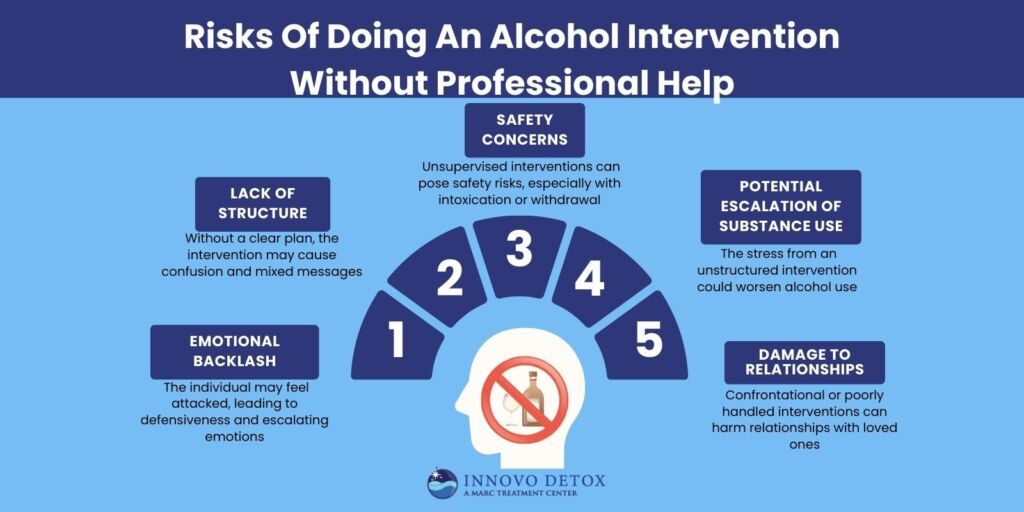
The risks of doing an alcohol intervention without professional help are explained below:
- Emotional Backlash: The individual with alcohol use disorder (AUD) feels attacked, defensive, or betrayed during the intervention. This led to an escalation of emotions, making it harder to have a productive conversation about seeking help.
- Lack of Structure: Without professional guidance, the intervention lacks a clear plan or script, resulting in confusion and mixed messages. A lack of preparation and structure weakens the intervention’s impact and reduces the likelihood of the individual accepting help.
- Safety Concerns: In some cases, especially if the person is heavily intoxicated or in withdrawal, an unplanned intervention leads to safety risks. Professionals are trained to manage such situations, ensuring that everyone involved remains safe and that the individual’s condition is appropriately addressed.
- Potential Escalation of Substance Use: Without professional guidance, an intervention inadvertently increases the individual’s stress, leading to a temporary escalation in substance use as a coping mechanism.
- Damage to Relationships: An unprofessional intervention strains or severs relationships between the individual and their loved ones, especially if the intervention is perceived as confrontational or lacking empathy and compassion.
Who Should Be Present During An Alcohol Intervention?
The individuals who should be present during an alcohol intervention include family members, close friends, and addiction specialists. The involvement of a professional ensures that the intervention remains structured and focused on the person’s needs.
The individuals who should be present during an alcohol intervention are:
- Family Members: Family members are the most familiar with the individual’s alcohol use and its impact. They provide emotional support and share specific examples of how the person’s drinking has affected their lives. Their role is to communicate concern and express love while encouraging the individual to seek help.
- Close Friends: Friends who are trusted by the individual with alcohol use disorder (AUD) offer additional perspectives on how the person’s behavior has affected their social life. Friends help reinforce the intervention’s message, adding an external layer of support and accountability.
- Addiction Specialists: Addiction specialists, such as interventionists or therapists, bring professional experience and knowledge to the process. They guide the team, ensure the intervention follows an effective structure, and manage any emotional or safety issues that arise. Their presence increases the likelihood of success.
How Effective Are Alcohol Interventions In Treating Alcohol Use Disorder (AUD)?
Alcohol interventions are very effective in treating alcohol use disorder (AUD), particularly those involving structured treatment programs.
According to a study by the National Institute on Alcohol Abuse and Alcoholism (NIAAA) titled “Treatment of Alcohol Use Disorder,” 2020, approximately 33% of individuals remain asymptomatic during the year following a single treatment event. The remaining individuals show improvements, with reductions in alcohol consumption and related problems.
The success of these interventions depends on factors such as the type of treatment, the individual’s commitment, and the presence of supportive networks.
What Are The Legal Or Ethical Considerations In Alcohol Interventions?
The legal or ethical considerations in alcohol interventions include respecting individual rights, ensuring informed consent, and maintaining confidentiality. Interventions should be voluntary, meaning that the person being intervened upon is fully aware of their rights and understands the process. By respecting the individual’s autonomy and privacy, the intervention is more likely to be received positively and lead to a successful outcome.
It is important to ensure that the person undergoing the intervention is not coerced or forced into treatment. Informed consent plays a critical role in this, as the individual must be made fully aware of the intervention process, their treatment options, and the consequences of their choices.
This transparency helps avoid any legal complications and encourages the person to make an informed decision about seeking treatment.
Confidentiality is another vital aspect of ethical alcohol interventions. The person’s private information, including details about their alcohol use and treatment, must be kept confidential.
Adhering to privacy laws and ethical guidelines helps build trust and ensures that the person feels respected, reducing the likelihood of emotional distress during the intervention.


