
Morphine addiction is a chronic condition characterized by the compulsive use of morphine despite its adverse consequences. As a powerful opioid analgesic, morphine is primarily prescribed for severe pain management, but its ability to induce euphoria makes it highly addictive. This addiction stems from changes in brain chemistry that reinforce drug-seeking behavior, creating a cycle of misuse and dependence.
According to the American Medical Association (AMA), an estimated 3% to 19% of people who take prescription pain medications develop an addiction to them.5 People misusing opioids try to switch from prescription painkillers to heroin when it is more easily available. About 45% of people who use heroin started with an addiction to prescription opioids, according to the AMA.
The main causes of morphine addiction include genetic predisposition, environmental influences, and co-occurring mental health disorders. A study by Goldman D, Oroszi G, Ducci F., et al. 2005, titled “The genetics of addictions: uncovering the genes” reveals that individuals with a family history of substance misuse or untreated mental health conditions are at a higher risk, 40% to 70%, of developing an addiction. Prolonged use of high doses of morphine, even under medical supervision, leads to dependence.
The symptoms of morphine addiction are both physical and psychological, ranging from intense cravings and mood swings to respiratory depression and withdrawal when the drug is unavailable. Behavioral changes, such as secrecy and neglect of responsibilities, are early warning signs. Over time, these symptoms escalate, severely impacting the individual’s health and quality of life.
Notable effects of morphine addiction include physical health issues like organ damage and respiratory problems, as well as mental health challenges such as depression and anxiety. Addiction also disrupts personal relationships and professional stability, leading to legal or financial difficulties. The presence of stronger opioids, such as fentanyl, further complicates recovery due to their high potential for misuse and overlap in addiction patterns.
Treatment options for morphine addiction include detoxification, medication-assisted therapy (MAT), and behavioral therapies. Professional support for morphine addiction significantly improves outcomes by addressing both the physical and psychological aspects of dependence. Relapse prevention strategies, such as support groups and coping mechanisms, maintain long-term sobriety. While recovery is challenging, evidence-based treatments offer hope and effectiveness in helping individuals regain control over their lives.
What Is Morphine Addiction?
Morphine addiction is a condition where a person becomes physically and psychologically dependent on morphine, an opioid prescribed for severe pain management. Unlike occasional or prescribed use, addiction involves the misuse of morphine, characterized by taking it in higher doses, more frequently, or in ways not directed by a medical provider. Morphine addiction is marked by compulsive drug-seeking behavior, craving, and continued use despite harmful consequences.
Dependence on morphine occurs when the body adapts to its presence, leading to withdrawal symptoms when the drug is reduced or stopped. Misuse, such as taking morphine for the euphoric effects rather than pain relief, accelerates the progression from dependence to addiction. Over time, increased tolerance requires higher doses to achieve the same effects, further deepening the cycle of misuse. Left untreated, this leads to serious health complications, including respiratory depression, overdose, and death.
The prevalence of morphine addiction is part of the broader opioid crisis in the United States. According to the Centers for Disease Control and Prevention (CDC), millions of Americans misuse opioids annually, with Pennsylvania being one of the hardest-hit states. In 2020 alone, over 5,000 opioid-related overdose deaths were reported in Pennsylvania, a significant portion linked to prescription opioids like morphine.
Addressing morphine addiction requires a combination of medical, psychological, and social interventions. Evidence-based treatments, such as medication-assisted therapy (MAT) with methadone or buprenorphine, counseling, and support groups, significantly improve outcomes. Public health initiatives and education are also important in reducing opioid misuse and preventing addiction.
What Is Morphine and How Is It Used?
Morphine is a powerful opioid analgesic primarily prescribed to manage acute and chronic pain that cannot be controlled with less potent medications. According to the DSM-5 (Diagnostic and Statistical Manual of Mental Disorders, Fifth Edition), morphine falls under the category of “Substance-Related and Addictive Disorders” within the subclass of “Opioid Use Disorder.” As a controlled substance, it is used under strict medical supervision due to its high potential for dependence and misuse.
Morphine binds to mu-opioid receptors in the central nervous system, altering pain perception and producing a sense of calm and euphoria. This mechanism not only alleviates physical discomfort but also addresses emotional distress caused by severe pain.
Morphine is commonly used in situations like post-surgical recovery, injury-related trauma, and palliative care for conditions like advanced cancer or end-of-life pain. It is also prescribed for chronic pain management when other treatments are ineffective. It is available in immediate-release forms for quick relief and extended-release formulations for sustained pain control, and it is used in patients with long-term pain.
Administration methods for morphine vary depending on the patient’s condition and the severity of pain. It is taken orally as tablets, capsules, or liquid solutions, injected intramuscularly or intravenously for rapid pain relief, or delivered via epidural or spinal routes in certain medical settings. While highly effective, morphine requires careful dosing and monitoring due to risks such as respiratory depression, tolerance, and addiction.
Why Is Morphine Addictive?
Morphine is addictive because it alters brain chemistry, triggering dopamine release that reinforces its continued use. When morphine binds to opioid receptors in the brain, particularly in areas involved in pain regulation and the reward system, it not only reduces the perception of pain but also induces a profound sense of euphoria. This surge in dopamine, a neurotransmitter associated with pleasure and reward, creates a powerful reinforcement loop that encourages repeated use.
Over time, the brain adapts to the heightened dopamine levels by reducing its natural production and receptor sensitivity. This leads to tolerance, where higher doses of morphine are required to achieve the same effects, and dependence, where the brain relies on the drug to maintain normal function. Research by Listos J, Łupina M, Talarek S, Mazur A, Orzelska-Górka J, Kotlińska J. et al. 2019, “The Mechanisms Involved in Morphine Addiction: An Overview” has shown that opioids like morphine significantly alter the mesolimbic reward pathway, making it difficult for individuals to stop using the drug without experiencing withdrawal symptoms such as anxiety, agitation, and intense cravings. These changes in brain chemistry explain why morphine is highly addictive and challenging to quit without medical intervention.
What Is the Difference Between Morphine Abuse and Addiction?
The main differences between morphine abuse and addiction are the frequency, intent, and consequences of use. Morphine abuse is the misuse of the drug, such as taking higher doses, using it without a prescription, or for recreational purposes to achieve euphoria rather than pain relief. Abuse occurs occasionally and does not always lead to dependence.
Morphine addiction, on the other hand, is a chronic condition characterized by compulsive drug-seeking behavior, an inability to control use, and continued consumption despite harmful physical, emotional, or social consequences. While abuse leads to addiction, addiction involves significant changes in brain chemistry, including tolerance, dependence, and withdrawal symptoms, making it more severe and challenging to overcome.
How Does Morphine Addiction Develop?
Morphine addiction develops through a series of stages, starting with initial use and progressing to complete dependence as the addiction cycle takes hold. The drug’s effects on the brain’s reward system and its ability to produce tolerance and dependence accelerate this process. For some individuals, addiction develops within weeks, particularly with frequent or high-dose use. According to the American Psychiatric Association, regular use of opioids like morphine for as little as 4–8 weeks results in dependence for many users.
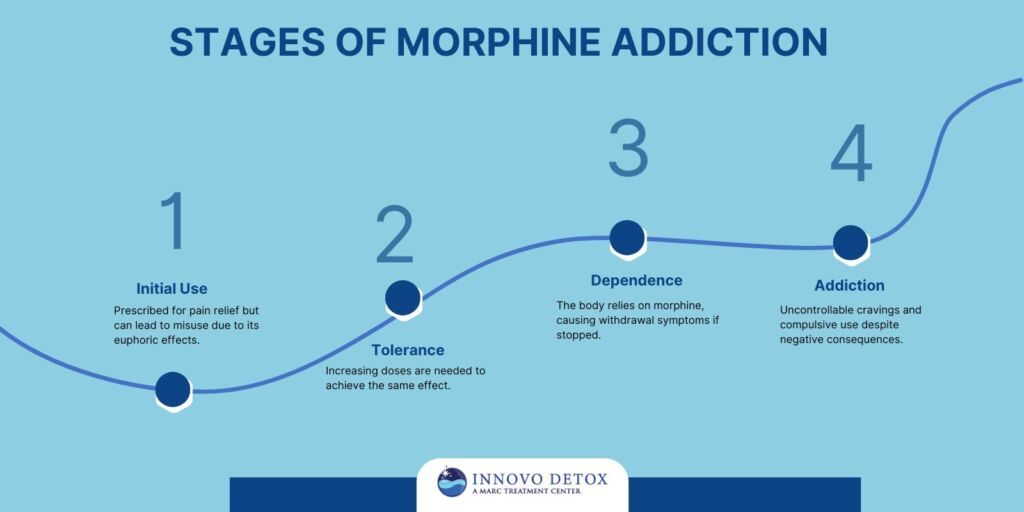
Morphine addiction develops in the following way:
- Initial Use: Morphine is introduced medically to manage severe pain. Its ability to alleviate pain and produce a sense of euphoria encourages misuse, especially when taken in higher doses or for unintended purposes.
- Tolerance: With continued use, the body becomes less sensitive to morphine’s effects, requiring higher doses to achieve the same level of pain relief or euphoria. This marks the early stage of the addiction cycle.
- Dependence: The body begins to rely on morphine to maintain normal function. At this stage, stopping or reducing the drug leads to withdrawal symptoms, including agitation, muscle aches, and nausea, making it difficult to quit.
- Addiction: Compulsive drug-seeking behavior develops, characterized by loss of control over usage despite knowing its harmful consequences. At this point, the addiction cycle is fully established, and professional intervention is required to break the pattern.
How Much Morphine Does It Take to Get Addicted?
It takes around 60 milligrams of morphine per day for several days to weeks to get addicted to morphine, although this varies depending on individual factors. The amount needed to develop addiction depends on a variety of factors, including genetics, metabolism, and individual susceptibility to developing dependence. People with a history of substance use disorders or those who take morphine recreationally or in higher-than-prescribed doses are more likely to become addicted more quickly. The more frequent and higher the dosage, the faster tolerance builds, leading to a higher risk of physical dependence and addiction.
Can Morphine Addiction Develop Even When Using the Drug As Prescribed?
Yes, morphine addiction can develop even when using the drug as prescribed, particularly with long-term use or high doses. While morphine is intended for pain relief, especially in severe cases, the risk of dependence increases the longer it is used, even in a controlled setting.
Long-term use of opioids like morphine, even when taken as prescribed, leads to physical dependence and an increased risk of addiction. The overall rate of problematic opioid use, including misuse, abuse, and addiction, varies significantly across studies. According to a study by Chou R et al. 2015, titled “The effectiveness and risks of long-term opioid therapy for chronic pain: a systematic review for a National Institutes of Health Pathways to Prevention workshop,” the rate of opioid misuse ranged from 21% to 29%, while opioid abuse and addiction were reported at rates of 8% and 8%–12%, respectively.
Other reviews, such as those by Noble M et al. 2024 titled “Long-term opioid therapy for chronic noncancer pain: a systematic review and meta-analysis of efficacy and safety,” found lower rates of misuse (8%–16%), abuse (0.43%–8%), and addiction (0.05%–14%). The risk is particularly high when the dosage is increased over time to manage escalating pain, leading to tolerance and the potential for misuse.
What Are the Causes of Morphine Addiction?
The causes of morphine addiction are genetic predisposition, environmental factors, and mental health conditions. These factors collectively contribute to the development of morphine addiction, with each playing a significant role in how the body and brain respond to the drug. The interaction between these elements makes addiction a complex, multifaceted process that affects individuals differently based on their unique circumstances and biology.
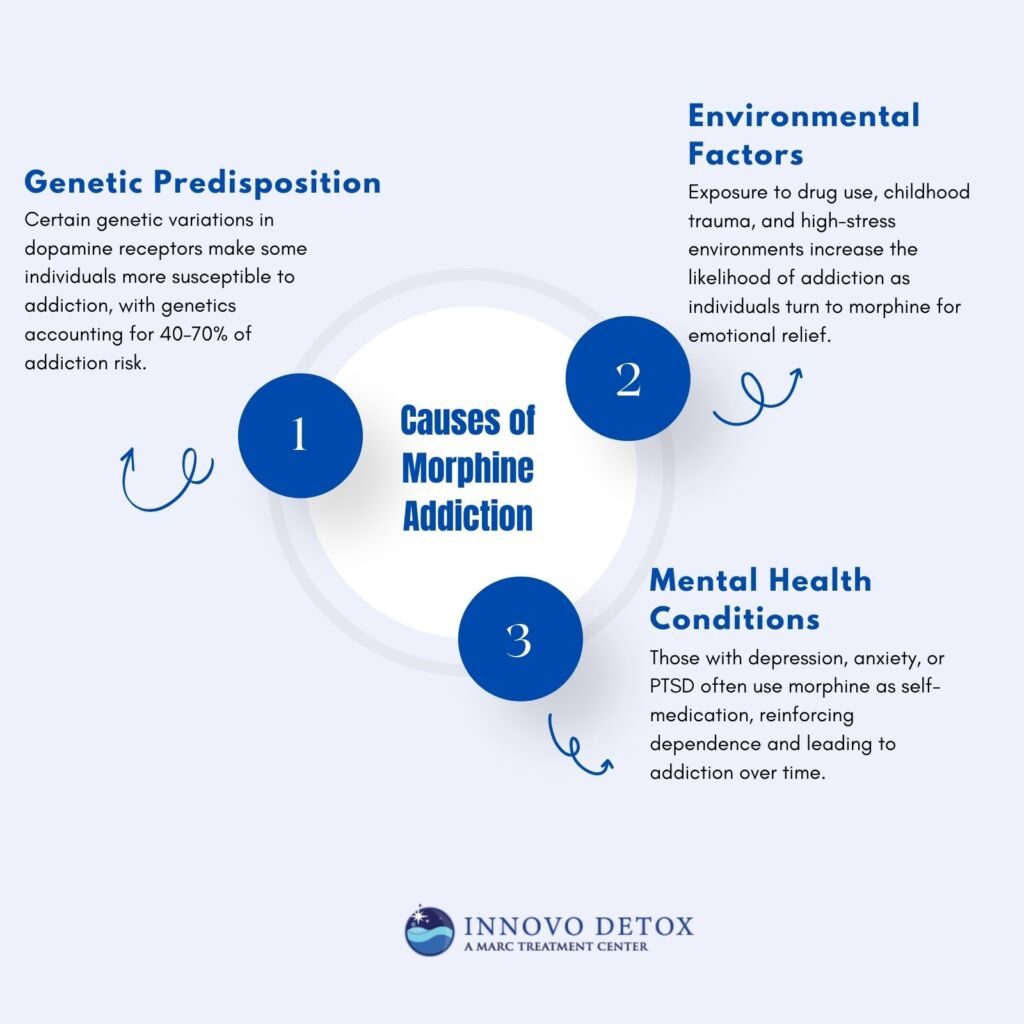
The causes of morphine addiction are as follows:
- Genetic Predisposition: Certain genetic factors make individuals more vulnerable to addiction. Variations in genes related to the brain’s reward system, particularly those affecting dopamine receptors, influence how a person experiences the effects of morphine. Research by Mistry CJ et al. 2014, titled “Genetics of Opioid Dependence: A Review of the Genetic Contribution to Opioid Dependence,” indicates that individuals with these genetic variations find the euphoric effects of morphine more rewarding, leading to a higher risk of dependency. A neurobiological study by Prescott CA, Kendler KS. et al. 1999, titled “Genetic and environmental contributions to alcohol abuse and dependence in a population-based sample of male twins,” suggest that this genetic predisposition significantly enhances an individual’s susceptibility to addiction, even at lower doses, with genetic factors accounting for 40–70% of a person’s risk of addiction.
- Environmental Factors: Environmental influences such as exposure to drug use, childhood trauma, and family history of addiction increase the likelihood of developing morphine addiction. According to a study by Sinha R. et al. 2008, titled “Chronic stress, drug use, and vulnerability to addiction,” individuals who grow up in environments with high stress, instability, or a prevalence of substance abuse use morphine as a way to cope with emotional pain. This external stress triggers a reliance on opioids, leading to the establishment of patterns that eventually develop into addiction.
- Mental Health Conditions: Individuals with mental health disorders, like depression, anxiety, or PTSD, are at a higher risk of morphine addiction. Many people with these conditions turn to morphine as a form of self-medication, seeking relief from emotional or psychological pain. Opioids such as morphine temporarily alleviate distress, creating a reinforcing cycle where the drug is used to manage symptoms of mental illness. Over time, this leads to physical dependence and addiction as the brain becomes accustomed to the drug’s effects on mood and emotional regulation.
What Are the Signs and Symptoms of Morphine Addiction?
The signs and symptoms of morphine addiction are both physical, emotional, and behavioral. These symptoms arise as the body and mind adapt to the presence of morphine, leading to the development of dependence and addictive behaviors. Each category of symptoms reflects the different ways addiction manifests in individuals, from physical withdrawal effects to mood disturbances and changes in behavior.
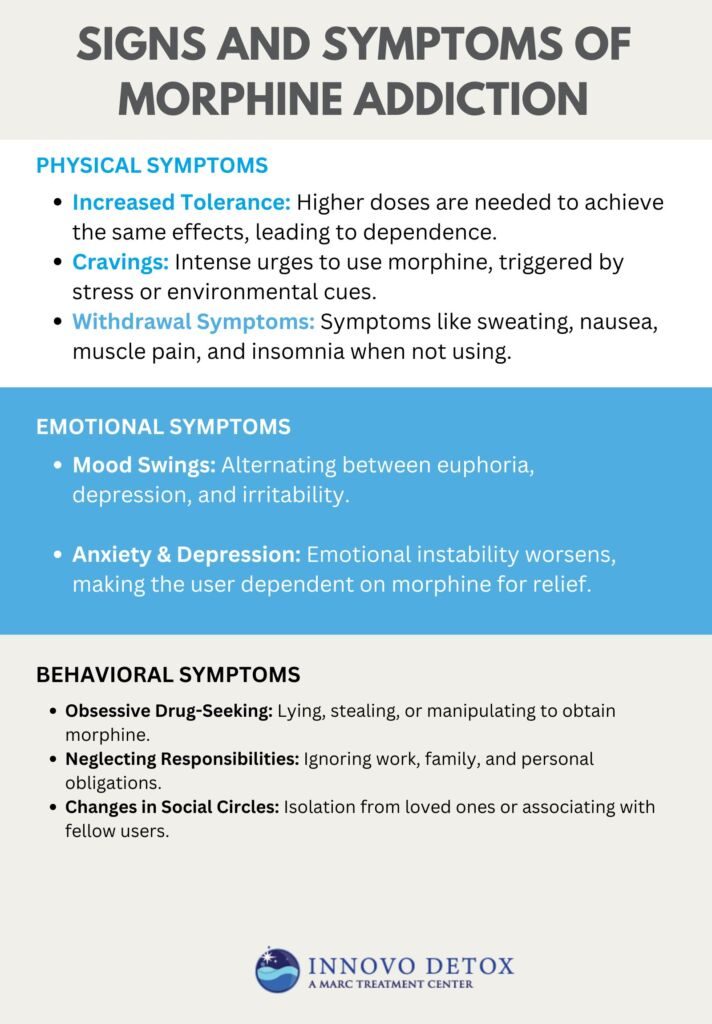
The physical signs and symptoms of morphine addiction are as follows:
- Increased Tolerance: As morphine use continues, the body becomes accustomed to the drug, requiring higher doses to achieve the same effects. This is a sign of physical dependence, where the nervous system adjusts to the drug’s presence, and without it, withdrawal symptoms like sweating, chills, and nausea occur. Tolerance is a key factor in the progression of addiction, as it compels users to escalate their dosage.
- Cravings: One of the major physical symptoms of morphine addiction is intense cravings for the drug. These cravings occur as the brain’s reward system becomes reliant on morphine to release dopamine, the “feel-good” neurotransmitter. Research by Perry CJ et al. 2014, titled “Role of cues and contexts on drug-seeking behaviour,” shows that cravings are triggered by environmental cues or emotional stress, making them difficult to control without intervention. The severity of cravings varies, but they are persistent and lead to repeated use.
- Withdrawal Symptoms: When an individual who is addicted to morphine stops using the drug, they experience withdrawal symptoms. These include sweating, nausea, muscle pain, insomnia, and irritability. These symptoms occur because the body has become dependent on morphine, and without it, the central nervous system struggles to regain balance. Withdrawal lasts anywhere from a few days to a few weeks, depending on the severity of the addiction.
The emotional signs and symptoms of morphine addiction are as follows:
- Mood Swings: Morphine affects the brain’s emotional regulation systems, leading to dramatic mood swings. Users feel euphoric shortly after taking morphine, but this is followed by periods of depression or irritability as the drug wears off. These mood fluctuations result from the brain’s adaptation to the drug and the imbalance in neurotransmitter activity, particularly dopamine and serotonin, as studied by Nummenmaa L, Tuominen L. et al. 2018, titled “Opioid system and human emotions.” Over time, these mood swings worsen and become more unpredictable.
- Anxiety and Depression: Emotional symptoms of morphine addiction include heightened anxiety and depression, especially during periods of withdrawal or when cravings are not satisfied. The brain’s reliance on morphine to regulate mood makes it difficult for individuals to experience stable emotional states without the drug. The presence of these emotional disturbances is a contributing factor to continued morphine use, as individuals turn to the drug for relief. According to a study by Motaghinejad M et al. 2016, titled “Study of the effects of controlled morphine administration for treatment of anxiety, depression, and cognition impairment in morphine-addicted rats,” chronic morphine administration caused depression and anxiety as observed by FST, EPM, and TST and decreased motor activity in OFT and caused impairment in learning and memory performance in MWM.
The behavioral signs and symptoms of morphine addiction are as follows:
- Obsessive Drug-Seeking Behavior: One of the primary behavioral signs of morphine addiction is an overwhelming preoccupation with obtaining and using the drug. Individuals go to great lengths to acquire morphine, including lying, stealing, or manipulating others. The compulsive nature of drug-seeking behavior is driven by the brain’s reward system and the reinforcement of pleasure experienced with drug use, even in the face of negative consequences.
- Neglecting Responsibilities: As addiction deepens, individuals neglect personal, professional, or social responsibilities in favor of using morphine. This includes missing work, ignoring family obligations, or abandoning hobbies and activities that were previously important. The focus on obtaining and using the drug overrides other aspects of life, and this neglect leads to significant negative life consequences.
- Changes in Social Circles: Morphine addiction leads to changes in an individual’s social interactions. People isolate themselves from friends and family or begin associating with others who are also using the drug. This behavioral shift is driven by the need to be around others who share or enable their addiction, and it is also a way of avoiding judgment from non-users.
What Are the Early Warning Signs of Morphine Addiction in Adults?
The early warning signs of morphine addiction in adults are increased dosage, financial issues, secrecy, and emotional instability. These signs are subtle but necessary to identify for timely intervention. Recognizing these signs early helps prevent the progression of addiction and its associated consequences.
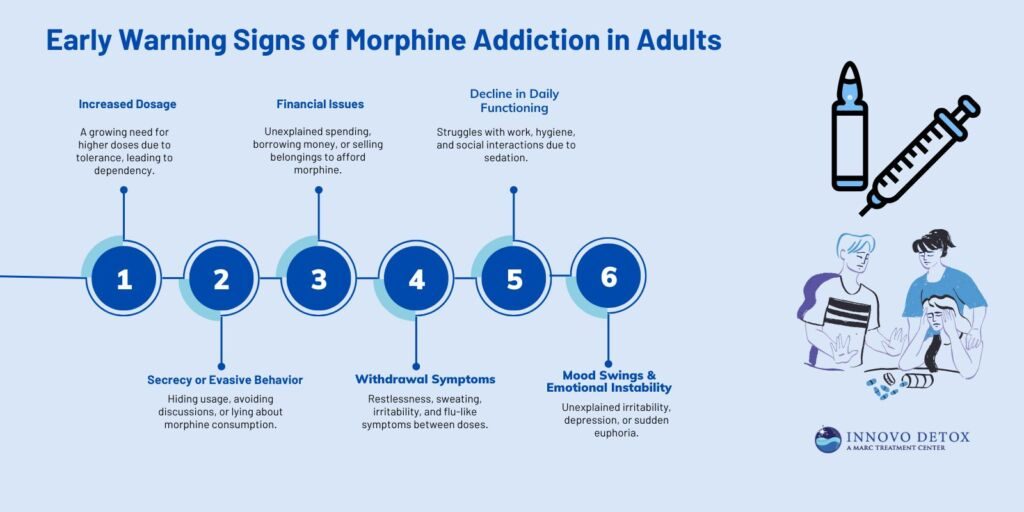
The early warning signs of morphine addiction in adults are as follows:
- Increased Dosage: One of the first signs is a gradual increase in the amount of morphine taken. Individuals start requiring higher doses to achieve the same level of pain relief or euphoria due to tolerance, a process where the body adjusts to the drug’s effects. This tolerance builds quickly because morphine interacts with opioid receptors in the brain, altering pain perception and the reward system. Left unchecked, this increased use leads to dependency and addiction.
- Secrecy or Evasive Behavior: Adults who are developing a morphine addiction become secretive about their usage. This includes hiding medication, avoiding conversations about their health, or lying about the amount or frequency of use. This behavior arises as the person becomes more reliant on morphine and fears judgment or intervention from others. Secrecy escalates over time, making it harder for loved ones to recognize the problem.
- Financial Issues: Morphine addiction leads to financial strain as individuals prioritize purchasing morphine over other expenses. This could include unexplained withdrawals from bank accounts, borrowing money frequently, or selling personal belongings. The cost of obtaining morphine, mainly if sourced illegally, quickly spirals, making financial difficulties a significant warning sign of addiction.
- Physical Symptoms of Withdrawal: Early signs of morphine withdrawal appear between doses as dependency develops. These symptoms include restlessness, sweating, irritability, and flu-like symptoms. They occur because the body begins to crave morphine when its effects wear off. These symptoms are initially mild but become more severe as the addiction progresses.
- Decline in Daily Functioning: Adults in the early stages of morphine addiction experience difficulties maintaining responsibilities at work, home, or in social settings. This decline stems from the drug’s sedative effects, which impair cognitive and physical functioning. Over time, they might miss deadlines, neglect personal hygiene, or withdraw from social interactions.
- Mood Swings and Emotional Instability: Morphine affects the brain’s reward system and mood-regulating neurotransmitters, leading to noticeable emotional changes. Individuals exhibit unexplained irritability, depression, or sudden euphoria. These mood swings become more frequent as dependency develops, reflecting the drug’s impact on brain chemistry.
How Does Morphine Addiction Affect Your Health?
Morphine addiction affects your health by causing significant physical and mental health consequences, both in the short and long term. Physically, long-term morphine use damages vital organs such as the liver and kidneys due to the body’s prolonged exposure to the drug’s metabolites, as studied by Mallappallil M, Sabu J, Friedman EA, Salifu M., et al. 2017, in “What Do We Know about Opioids and the Kidney?”
Chronic use also weakens the immune system, increases susceptibility to infections, and causes respiratory depression, a potentially fatal condition where breathing becomes dangerously slow, according to a study by Wang J, Barke RA, Charboneau R, Roy S., et al. 2005, titled “Morphine impairs host innate immune response and increases susceptibility to Streptococcus pneumoniae lung infection.”
Mentally, morphine addiction disrupts brain chemistry by altering the reward system and neurotransmitter balance, leading to conditions like depression, anxiety, and severe mood swings. Research by the Substance Abuse and Mental Health Services (SAMHSA) Administration titled “Facing Addiction in America: The Surgeon General’s Report on Alcohol, Drugs, and Health” indicates that consistent opioid use lowers natural dopamine production, making it difficult for individuals to experience pleasure without the drug. Over time, this results in emotional instability and cognitive impairment, including memory and decision-making issues.
The withdrawal process of morphine itself poses additional health risks, including severe cravings, restlessness, insomnia, and physical discomfort. A study by Darnall BD, Stacey BR, Chou R., et al. 2012, titled “Medical and psychological risks and consequences of long-term opioid therapy in women,” shows that untreated morphine addiction leads to long-term psychological distress and increased risk of overdose, which remains a leading cause of opioid-related deaths globally.
Can Morphine Addiction Be Fatal?
Yes, morphine addiction can be fatal, primarily due to the risk of overdose and severe long-term health effects such as respiratory depression. An overdose occurs when excessive amounts of morphine suppress the respiratory system, leading to dangerously slow or stopped breathing, which results in death without immediate medical intervention. According to the Centers for Disease Control and Prevention (CDC), opioids, including morphine, were involved in over 80,000 overdose deaths in the U.S. in 2021.
In addition to overdose, prolonged morphine addiction leads to fatal complications such as organ failure, weakened immunity, and cardiovascular issues. Chronic respiratory depression, a significant sign of opioid toxicity, poses a persistent risk during extended use. The combination of these factors makes morphine addiction a life-threatening condition that necessitates immediate treatment and intervention.
What Treatment Options Are Available for Morphine Addiction?
The treatment options available for morphine addiction are detoxification, medications, and behavioral therapies. These approaches address physical dependence, withdrawal symptoms, cravings, and the psychological factors contributing to addiction. Combining these treatments is the most effective way to achieve lasting recovery.
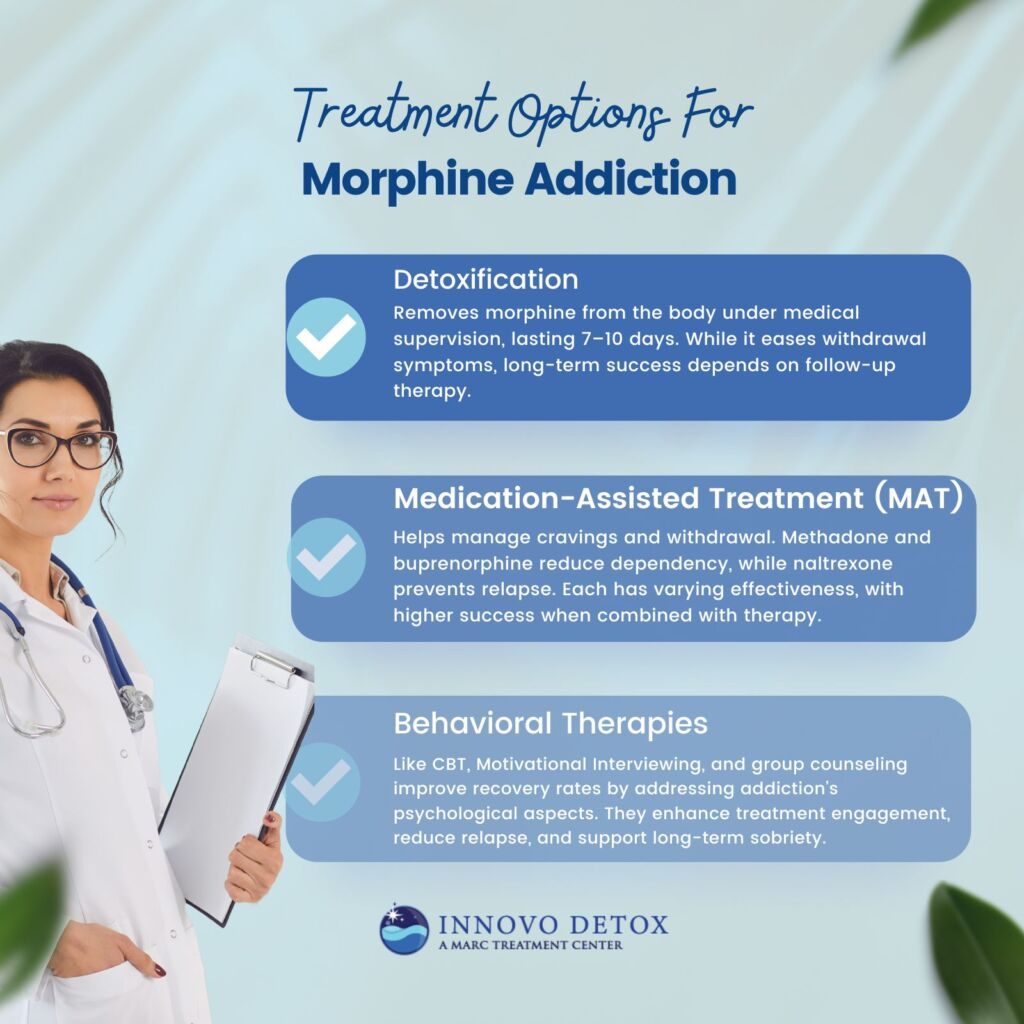
The treatment options available for morphine addiction are as follows:
1. Detoxification
Detoxification is the process of removing morphine from the body while managing withdrawal symptoms under medical supervision. This is the first step in most addiction treatment plans and aims to stabilize the patient physically. Withdrawal symptoms, such as nausea, sweating, and anxiety, are severe and potentially dangerous without professional oversight. Medical detox programs include medications to ease symptoms and prevent complications.
Detoxification lasts between 7–10 days, depending on the severity of addiction and individual health. While detox alone does not address the psychological aspects of addiction, it is an important foundation for further treatment. Success rates improve significantly when comprehensive therapy and support programs follow detox. According to SAMHSA, 68% of people who complete drug and alcohol detox programs report their treatment to be successful.
2. Medications
Medications are used to reduce withdrawal symptoms, manage cravings, and stabilize patients during recovery. This approach, known as Medication-Assisted Treatment (MAT), is highly effective for opioid addictions. The medications approved for morphine addiction include:
- Methadone: A long-acting opioid that reduces cravings and withdrawal symptoms without inducing euphoria. It has a high success rate when combined with therapy, though it requires daily administration at specialized clinics. According to a study by Kleber HD. et al. 2007, titled “Pharmacologic treatments for opioid dependence: detoxification and maintenance options,” inpatient methadone substitution and taper is usually accomplished in 5 to 7 days and has a retention rate of 80%; with outpatient detoxification, it takes longer to minimize withdrawal symptoms and to decrease dropout and relapse, but only about 20% complete it.
- Buprenorphine: A partial opioid agonist that decreases cravings and withdrawal symptoms with a lower risk of misuse. It is prescribed by certified doctors and taken home, making it more accessible. Approximately half of the individuals achieved successful opioid-use outcomes during 12 weeks of sustained treatment with buprenorphine; however, relapse rates were greater than 90% when individuals were tapered after either 1 or 3 months of buprenorphine treatment, as studied by Ling W. et al. 2012, titled “Buprenorphine implant for opioid addiction.”
- Naltrexone: An opioid antagonist that blocks the effects of morphine, preventing relapse. It is best suited for individuals who have completed detox. In a study by Mannelli P, Peindl KS, Wu LT. et al. 2011, titled “Pharmacological enhancement of naltrexone treatment for opioid dependence: a review,” 36% of patients taking extended-release naltrexone remained abstinent for weeks 5–24, compared to 23% of patients taking a placebo.
3. Behavioral Therapies
Behavioral therapies have demonstrated significant success rates in treating morphine addiction, especially when integrated with other treatment methods like medication-assisted therapy (MAT). A study by Ray LA, Meredith LR, Kiluk BD, Walthers J, Carroll KM, Magill M., et al. 2020, titled “Combined Pharmacotherapy and Cognitive Behavioral Therapy for Adults With Alcohol or Substance Use Disorders: A Systematic Review and Meta-analysis” shows that Cognitive-Behavioral Therapy (CBT) reduces relapse rates by 50% or more when combined with MAT.
Motivational Interviewing (MI) has shown a success rate of improving treatment engagement by up to 20%, particularly during the initial stages of recovery. Group therapy is linked to higher retention rates in treatment programs, with participants being 1.5 times more likely to stay in recovery compared to those who undergo individual therapy alone. Individual counseling has proven effective in addressing co-occurring mental health disorders, which boosts overall recovery success rates. While exact outcomes depend on individual circumstances, behavioral therapies remain a cornerstone of evidence-based addiction treatment.
Are There Holistic or Alternative Treatments for Morphine Addiction?
Yes, there are holistic and alternative treatments for morphine addiction, including yoga, acupuncture, and meditation. These methods complement traditional treatments by addressing physical, emotional, and spiritual aspects of recovery, promoting overall well-being. They are not standalone solutions but enhance recovery when combined with medical and behavioral therapies.
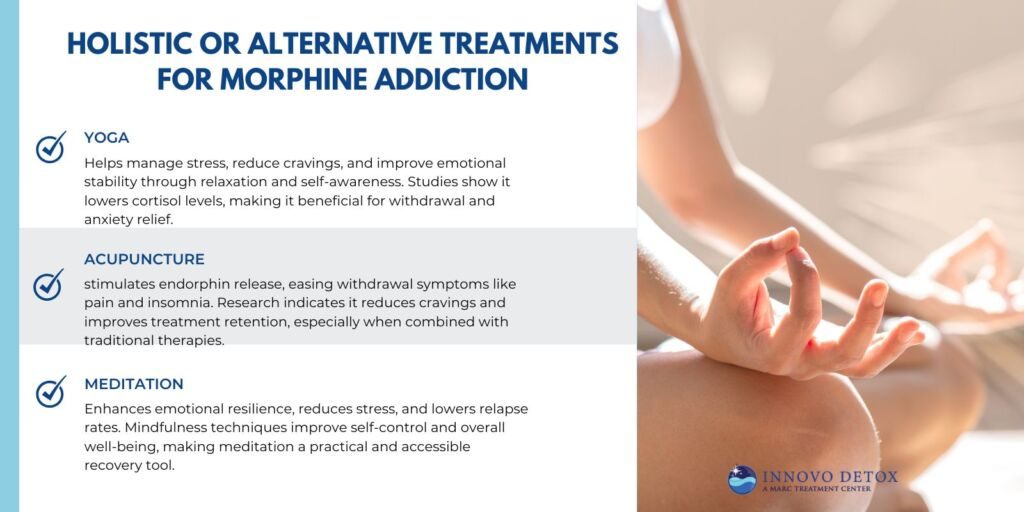
The following are the holistic or alternative treatments for morphine addiction:
- Yoga: Yoga is a mind-body practice that combines physical postures, breathing techniques, and mindfulness. It helps individuals manage stress, reduce cravings, and improve emotional stability by promoting relaxation and enhancing self-awareness. Yoga aids in breaking the addiction cycle. A study by Havard Heath titled “Yoga for better mental health” indicates that regular yoga practice reduces cortisol levels and improves mood, making it especially beneficial for those battling withdrawal symptoms or anxiety. It is suitable for most patients and is integrated into daily routines with minimal cost.
- Acupuncture: Acupuncture involves inserting thin needles into specific points on the body to restore energy balance and reduce pain. It is believed to stimulate the release of endorphins, which help alleviate withdrawal symptoms such as muscle pain, anxiety, and insomnia. Research by Lin JG, Chan YY, Chen YH. et al. 2012, titled “Acupuncture for the treatment of opiate addiction,” shows that acupuncture reduces cravings and improves treatment retention rates, primarily when used alongside traditional therapies. Patients with chronic pain or stress-related symptoms find acupuncture particularly effective.
- Meditation: Meditation focuses on achieving a calm and focused mind through techniques like deep breathing and mindfulness. It helps individuals develop emotional resilience, manage stress, and improve their ability to resist cravings. A study by Graland GL et al. 2014, titled “Mindfulness training targets neurocognitive mechanisms of addiction at the attention-appraisal-emotion interface,” suggests that mindfulness-based practices significantly reduce relapse rates and improve emotional well-being in addiction recovery. Meditation is highly flexible and suitable for individuals of all backgrounds, requiring minimal resources or equipment.
What Are the Benefits of Inpatient Rehab Over Outpatient Treatment for Morphine Addiction?
The benefits of inpatient rehab over outpatient treatment for morphine addiction include 24/7 medical supervision, a structured environment, and intensive therapy. These features make inpatient rehab particularly effective for individuals with severe addiction or those at high risk of relapse.
The benefits of inpatient rehab over outpatient treatment for morphine addiction are as follows:
| Benefit | Inpatient Rehab | Outpatient Treatment |
| Medical Supervision | Provides 24/7 access to healthcare professionals, ensuring immediate management of withdrawal symptoms and emergencies. | Limited access to medical staff; patients must manage symptoms between therapy sessions. |
| Structured Environment | Offers a controlled and distraction-free environment, reducing exposure to triggers and stressors. | Patients remain in their daily environment, which includes exposure to triggers and limited structure. |
| Intensity of Care | Delivers intensive therapy sessions, including individual and group therapy, multiple times a day. | Therapy sessions are less frequent, a few times a week, which is not sufficient for severe cases. |
| Focus on Recovery | Encourages total focus on recovery without external distractions like work or social obligations. | Balances treatment with daily responsibilities, which hinder the recovery process for some patients. |
Why Is Morphine Addiction So Challenging to Overcome Without Professional Help?
Morphine addiction is difficult to overcome alone due to intense withdrawal symptoms, powerful cravings, and deep psychological dependence. Withdrawal symptoms, including nausea, muscle pain, and insomnia, are physically exhausting and emotionally overwhelming, deterring many from continuing the process. Cravings result from changes in the brain’s reward system caused by opioid use, making relapse highly likely without proper support.
Research by WebMD titled “What Causes Opioid Use Disorder Relapses?” indicates that relapse rates for individuals attempting to quit opioids alone are as high as 40-60%. Professional help provides medical supervision, therapies, and medications to ease withdrawal and address the underlying causes of addiction, significantly increasing the chances of recovery.
What Is the Timeline for Morphine Addiction Recovery?
The timeline for morphine addiction recovery spans weeks to several months, depending on individual circumstances. The detoxification stage lasts 5-10 days, during which withdrawal symptoms peak and then subside. The next stage, early recovery, involves addressing cravings and developing coping mechanisms, lasting 1-3 months.
Long-term recovery, including therapy and lifestyle adjustments to prevent relapse, extends for years, with regular follow-ups or participation in support groups. Each stage is important for building a foundation for lasting sobriety, and professional guidance helps navigate the challenges along the way.
How to Prevent Relapse After Morphine Addiction Treatment?
To prevent relapse after morphine addiction treatment, individuals should adopt strategies such as building a strong support network, developing coping mechanisms, and monitoring triggers. These relapse prevention measures empower individuals to maintain sobriety and navigate challenges effectively.
To prevent relapse after morphine addiction treatment, the following healthy coping strategies are employed:
- Build a Support Network: Establishing a reliable support system of family, friends, and recovery peers provides emotional encouragement and accountability. Participating in support groups, such as Narcotics Anonymous, fosters a sense of community and shared understanding, reducing feelings of isolation that lead to relapse.
- Develop Coping Mechanisms: Learning healthy ways to manage stress, anxiety, and cravings is important for long-term recovery. Techniques such as deep breathing, mindfulness meditation, and physical exercise help individuals regulate emotions and resist the urge to return to substance use.
- Identify and Monitor Triggers: Triggers, such as certain environments, people, or emotional states, lead to relapse. Creating a list of personal triggers and devising plans to avoid or manage them, like avoiding high-risk situations or engaging in alternative activities, reduces the risk of relapse.
- Engage in Aftercare Programs: Continuation of therapy or counseling post-treatment ensures ongoing support. Therapists address unresolved issues, provide guidance for life challenges, and assist in refining strategies to maintain sobriety.
- Adopt a Structured Routine: Creating and adhering to a daily schedule helps establish stability and reduces idle time, which tempts relapse. Incorporating productive activities like hobbies, work, or volunteering promotes a sense of purpose and fulfillment.
- Monitor Physical and Mental Health: Regular check-ins with healthcare providers and mental health professionals identify and address any potential issues early. This includes managing co-occurring disorders, such as depression or anxiety, which heighten the risk of relapse.
How Can Family and Friends Support Morphine Recovery?
Family and friends can support morphine recovery by offering emotional encouragement, participating in therapy sessions, and avoiding behaviors that enable substance use. Their consistent involvement and understanding help individuals maintain sobriety.
Family and friends can support morphine recovery by employing the following things:
- Participating in Therapy or Support Groups: Joining therapy sessions, such as family counseling or support groups like Al-Anon, helps loved ones understand addiction’s complexities. These sessions teach effective communication and coping strategies while strengthening relationships.
- Avoiding Enabling Behaviors: Enabling behaviors, such as providing money or ignoring substance use, hinder recovery. Instead, set healthy boundaries and encourage accountability while maintaining compassion and support.
- Providing Emotional Encouragement: Recovery is an emotionally challenging journey. Regularly expressing belief in the individual’s ability to overcome addiction fosters motivation and builds confidence.
- Promoting a Healthy Environment: A stable and supportive home environment is important for recovery. Ensure the living space is free of substances and triggers, and encourage positive activities like exercise or hobbies.
- Being Patient and Nonjudgmental: Recovery is a long process with potential setbacks. Practice patience and avoid judgment, focusing instead on progress and providing reassurance during difficult times.
- Educating Themselves About Addiction: Understanding the nature of morphine addiction and its challenges enables loved ones to provide informed and empathetic support. This knowledge also helps manage expectations and reduces frustration.
Which Local Resources Are Available for Morphine Addiction Recovery in Pennsylvania?
Local resources that are available for morphine addiction recovery in Pennsylvania include rehabilitation centers, helplines, and support groups specifically tailored to assist individuals dealing with opioid addiction. These resources provide comprehensive support, from detox and therapy to long-term recovery assistance.
Local resources that are available for morphine addiction recovery in Pennsylvania are mentioned below:
- The Council of Southeast Pennsylvania, Inc.: This organization provides prevention, intervention, and recovery support services, including access to certified recovery specialists and educational programs.
- Pennsylvania Department of Drug and Alcohol Programs (DDAP): DDAP offers a directory of licensed treatment providers, hotlines, and funding options for individuals seeking recovery services.
- The Pennsylvania Opioid Helpline (1-800-662-HELP): This confidential helpline connects callers to treatment options, counseling services, and local support groups.
- Narcotics Anonymous (NA) Pennsylvania: NA meetings across Pennsylvania provide peer support, share experiences, and nurture a sense of community for those recovering from addiction.
How to Help Someone Struggling With Morphine Addiction?
To help someone struggling with morphine addiction, start by encouraging open and nonjudgmental communication to let them know they are not alone. Express your concerns with empathy and avoid blame, creating a safe environment where they feel comfortable discussing their struggles.
Encourage them to seek professional support for morphine addiction, which includes counseling, medical detoxification, and therapy. Professional intervention is necessary for addressing both physical dependence and underlying mental health issues. Offer to assist in finding treatment options or attending appointments if needed.
Provide resources like local addiction helplines, support groups, and educational materials. Avoid enabling their addiction, and set clear boundaries while maintaining a supportive presence. Consider organizing an intervention with the help of a specialist if necessary to guide the conversation and encourage them to accept help.
How Addictive Is Morphine Compared to Other Opioids?
Morphine is moderately addictive compared to other opioids like fentanyl and heroin. Oxycodone and hydrocodone have similar addiction risks to morphine, while codeine is viewed as less addictive. The addictive potential of morphine stems from its ability to bind to opioid receptors, triggering dopamine release and reinforcing drug-seeking behavior.
Due to its extreme potency, which is approximately 50 to 100 times stronger than morphine. This potency makes even small doses of fentanyl highly addictive and dangerous. Heroin, an illicit opioid derived from morphine, has a higher addiction rate due to its rapid onset and intense euphoric effects.
Oxycodone and hydrocodone, widely prescribed opioids, have addiction risks comparable to morphine, with misuse rates ranging between 5% and 25% in long-term users. Codeine, used in cough syrups, is less potent and carries a lower risk of addiction. However, its misuse still leads to dependency, particularly in combination with other substances.
Comparative data by the National Institute of Drug Abuse (NIDA) indicates that heroin has the highest addiction rates among opioids. At the same time, morphine remains a significant risk due to its use in managing severe pain. The risk increases with higher doses, long-term use, or misuse.
What Morphine Withdrawal Symptoms Should You Be Aware Of?
Morphine withdrawal symptoms that you should be aware of include nausea, insomnia, and muscle pain, among others. These symptoms arise as the body adjusts to the absence of morphine after prolonged use, reflecting the drug’s impact on brain chemistry and physical dependence. A study by Shah M, Huecker, MR. et al. 2024, titled “Opioid Withdrawal,” indicates that symptoms peak within 3 to 5 days and gradually diminish over one to two weeks, although psychological symptoms persist longer.
You should be aware of the following Morphine withdrawal symptoms:
- Nausea and Vomiting: This is a common physical response during withdrawal due to the disruption of the gastrointestinal system. Morphine affects the brain’s control over digestion, and its absence leads to intense nausea and occasional vomiting. This symptom is severe in the first few days of withdrawal and requires medication to manage.
- Insomnia: Sleep disturbances are prevalent during withdrawal because morphine withdrawal disrupts the brain’s natural production of dopamine and other neurotransmitters that regulate sleep. Insomnia lasts for several weeks and significantly impacts recovery if not addressed through supportive care or therapy.
- Muscle Pain and Spasms: Morphine withdrawal causes significant discomfort in the form of muscle pain or spasms. This happens because morphine masks pain signals and its absence leads to heightened pain sensitivity. Muscle symptoms persist for several days and are alleviated with physical therapy or non-opioid pain relief.
- Anxiety and Irritability: Emotional symptoms like anxiety and irritability are common because the withdrawal process affects the brain’s reward and stress pathways. These symptoms are most intense during the early stages of withdrawal but persist for weeks without professional support.
- Sweating and Chills: These are autonomic responses caused by the body struggling to regulate temperature without the influence of morphine. Sweating and chills are most severe within 48 to 72 hours of withdrawal and gradually subside.
How Long Does Morphine Withdrawal Last?
Morphine withdrawal lasts for about 7 to 10 days for most individuals, with acute symptoms peaking around 72 hours after the last dose. Short-term symptoms, such as nausea, muscle aches, and sweating, subside within a week. Long-term withdrawal symptoms, including anxiety, insomnia, and cravings, persist for weeks or months as the brain adjusts to functioning without the drug. According to a study by Shah M, Huecker, MR. et al. 2024, titled “Opioid Withdrawal,” the duration and intensity of withdrawal depend on factors like the dosage, duration of use, and individual health. Professional medical support helps manage symptoms and reduces the risk of relapse during this period.


