
Opioid Use Disorder (OUD) is a chronic medical condition characterized by the compulsive use of opioids despite harmful consequences. This disorder is marked by physical dependence, tolerance, and withdrawal symptoms. In the United States, the opioid epidemic has become a public health crisis, with millions of individuals affected by opioid addiction each year. 30 Americans die every day from an opioid overdose, accounting for two-thirds of all overdoses. According to the CDC, nearly 108,000 people died from a drug overdose in 2022, and approximately 82,000 of those deaths involved opioids (about 76%).
The major causes of OUD are biological, psychological, and environmental factors. Genetics plays a significant role, with heritability estimates ranging from 23% to 54%, as Kendler KS et al. 2000 demonstrated in their twin and family study titled “Illicit psychoactive substance use, heavy use, abuse, and dependence in a US population-based sample of male twins.” Psychological factors such as mental health conditions (e.g., depression, anxiety) coexist with substance use, while environmental triggers like trauma, stress, and peer influence exacerbate the risk. Over-prescription of opioids for pain relief has contributed to widespread misuse, increasing the likelihood of addiction.
The main signs and symptoms of OUD include physical, psychological, and behavioral indicators. Individuals experience cravings for opioids, tolerance, and withdrawal symptoms such as nausea, sweating, and irritability when not using the substance. Behavioral symptoms include isolation, secretive behavior, and neglect of responsibilities. As the disorder progresses, individuals lose control over their opioid use, prioritizing it over other important aspects of life, such as family, work, and health.
Opioid addiction has profound effects on an individual’s mental, physical, and social health. Chronic opioid use leads to long-term changes in brain chemistry, particularly in the reward system, altering dopamine regulation and contributing to compulsive drug-seeking behavior. The effects on mental health include increased vulnerability to conditions like anxiety, depression, and PTSD. Socially, OUD strains relationships, hinders career progress, and increases the risk of criminal behavior. The physical toll includes an increased risk of overdose, liver damage, and chronic pain.
The types of addictive opioids range from prescription medications like morphine, oxycodone, and hydrocodone to illicit substances such as heroin. Prescription opioids are frequently prescribed for pain management but are misused, leading to addiction. Heroin, a potent illicit opioid, is highly addictive and poses significant risks of overdose and death. Synthetic opioids like fentanyl have become a major contributor to overdose deaths in recent years, adding to the complexity of the opioid crisis.
Effective treatment for OUD involves a combination of medical and therapeutic interventions. Medication-assisted treatment (MAT) is one of the most effective approaches, using medications such as methadone, buprenorphine, and naltrexone to manage cravings and withdrawal symptoms. Behavioral therapies such as Cognitive Behavioral Therapy (CBT) and Motivational Enhancement Therapy (MET) help individuals address the psychological aspects of addiction. In addition to these treatments, strategies to prevent relapse, ongoing support through counseling, and professional help for opioid addiction are necessary for long-term recovery.
What Is Opioid Use Disorder (Opioid Addiction)?
Opioid Use Disorder (OUD) is a pervasive and chronic condition arising from the misuse of prescription and illicit opioid drugs, including the specific opioid under scrutiny. Referred to as opioid addiction, a compelling physical dependence on opioids marks this affliction, driving individuals to use the substance despite its detrimental consequences persistently.
Opioid Use Disorder (OUD) is defined by the Diagnostic and Statistical Manual of Mental Disorders (DSM-5) as a problematic pattern of opioid use leading to significant impairment or distress. It is characterized by behaviors such as an inability to control opioid use, intense cravings, continued use despite harmful consequences, and the development of tolerance and physical dependence.
Unlike general opioid use, which occurs under medical supervision for pain management, OUD represents compulsive opioid misuse, including prescription pain relievers, heroin, and synthetic opioids like fentanyl, resulting in addiction.
According to a study by NIDA. et al. 2021 titled “Medications to Treat Opioid Use Disorder Research Report,” an estimated 2.7 million people aged 12 or older in the United States had an opioid use disorder (OUD) in the past 12 months—including 2.3 million people with a prescription opioid use disorder.
In Pennsylvania, a state heavily affected by the opioid crisis, rates of OUD and opioid-related fatalities remain alarmingly high, reflecting the broader national epidemic. In 2021, 5,168 Pennsylvanians died from overdoses, according to a report by the Pennsylvania Attorney General in “Opioid Battle.” An average of 14 Pennsylvanians die every day from overdose.
What Are Opioids, and How Are They Used?
Opioids are a class of drugs used to manage pain but are also known for their potential for misuse and addiction. These substances act on opioid receptors in the brain and nervous system to block pain signals, providing effective pain relief, according to a study by Dydyk AM, Jain NK, Gupta M. et al. 2024, titled “Opioid Use Disorder.” Commonly prescribed opioids, such as oxycodone, hydrocodone, and morphine, are used to treat acute or chronic pain following surgery, injury, or for conditions like cancer. These opioid prescriptions are required in medical settings but must be carefully managed to minimize risks of dependence and misuse.
In addition to medically prescribed opioids, illegal opioids like heroin and synthetic opioids such as fentanyl are widely misused. Heroin, an illicit opioid derived from morphine, is commonly abused for its euphoric effects. Synthetic opioids, including illicitly manufactured fentanyl, are particularly dangerous due to their high potency and frequent association with overdose deaths. While opioids manage pain, their potential for addiction and misuse underscores the importance of responsible prescribing and monitoring practices.
How Does OUD Differ From Opioid Dependence?
OUD differs from opioid dependence in that it encompasses both the physical and psychological aspects of addiction, whereas dependence primarily refers to the body’s physiological adaptation to opioids. In opioid use disorder (OUD), there is a compulsive drive to use opioids despite harmful consequences, driven by psychological dependence and behavioral patterns of misuse. This includes cravings, loss of control over use, and continued use despite risks to health, relationships, or responsibilities.
In contrast, opioid dependence is characterized by tolerance, where higher doses are needed to achieve the same effect, and the presence of withdrawal symptoms when opioids are reduced or stopped. While dependence is a natural physiological response to prolonged opioid use and occurs even with prescribed use, OUD represents a more severe condition involving compulsive use and disruption of daily functioning. The distinction highlights the psychological and behavioral components of diagnosing and treating OUD.
Is OUD a Chronic Disease or a Temporary Condition?
Opioid Use Disorder is considered a chronic disease requiring ongoing management to prevent relapse. Like other chronic conditions, such as diabetes or hypertension, OUD involves long-term changes in brain function and behavior, making individuals vulnerable to cycles of misuse and recovery. Without consistent treatment and support, the risk of relapse remains high. Effective management includes a combination of medication-assisted treatment, behavioral therapy, and long-term recovery plans to address both the physical and psychological aspects of the disorder.
What Causes Opioid Use Disorder?
The causes of opioid use disorder include a combination of genetic, psychological, and environmental factors. These elements influence the likelihood of developing OUD, affecting brain chemistry and behavior.
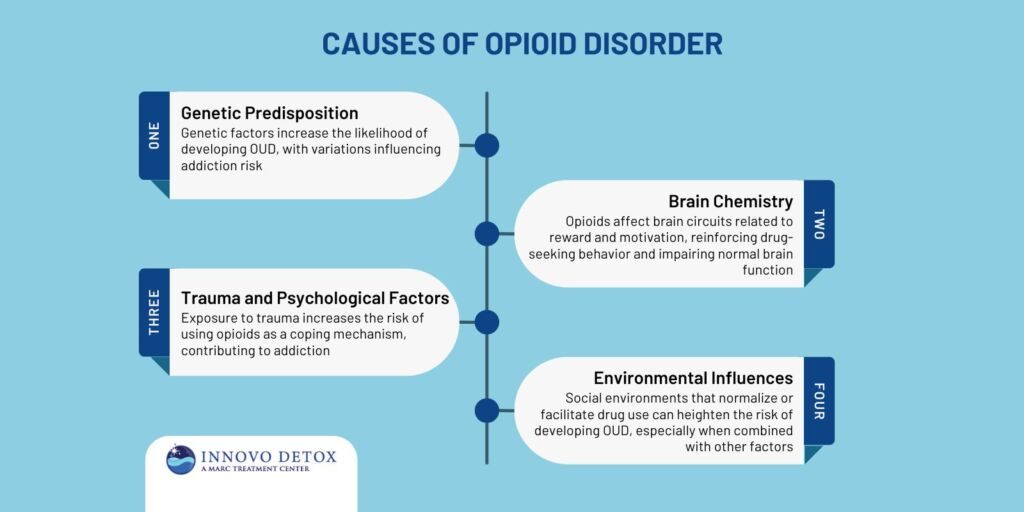
The following are the causes of opioid use disorder:
- Genetic Predisposition: Genetics play an important role in addiction. Research has shown a significant genetic component to OUD risk, with heritability estimates ranging from 23% to 54%, as Kendler KS et al. 2000 demonstrated in their twin and family study titled “Illicit psychoactive substance use, heavy use, abuse, and dependence in a US population-based sample of male twins.” Gelernter J. et al. 2006 conducted a genome-wide linkage scan for opioid dependence titled “Genomewide linkage scan for opioid dependence and related traits” and found that chromosomes 2 and 17 are associated with opioid dependence. These findings highlight that individuals inherit genetic variations that influence their susceptibility to opioid addiction.
- Brain Chemistry and Neurobiology: The neurobiological effects of opioid intoxication lead to defects in brain neurocircuitries, impairing reward, motivation, and stress-response systems. As detailed by Blackwood CA et al., 2021, titled “The molecular neurobiology and neuropathology of opioid use disorder,” these changes disrupt normal brain functions, making individuals more prone to addiction by reinforcing compulsive drug-seeking behaviors.
- Trauma and Psychological Factors: Exposure to traumatic events significantly increases the likelihood of developing OUD. Mills KL, Teesson M, Ross J, Peters L., et al., 2006, in their Australian National Survey of Mental Health and Well-Being, found that 87.8% of individuals with opioid use disorders had experienced trauma, compared to 56.8% of individuals without a substance use disorder. Trauma contributes to OUD by increasing vulnerability to substance misuse as a coping mechanism.
- Environmental Influences: Environmental factors, such as social settings, peer pressure, and access to opioids, play an integral role in addiction development. According to Caprioli D et al., 2006, titled “Modeling the role of environment in addiction,” environments that normalize or facilitate drug use significantly increase the likelihood of developing OUD, particularly when combined with other risk factors.
How Does Trauma Influence Opioid Addiction?
Trauma influences opioid addiction by increasing vulnerability to substance use as a maladaptive coping mechanism for emotional distress. Individuals with trauma, mainly those diagnosed with PTSD, are more likely to use opioids to manage emotional triggers such as fear, anxiety, and intrusive memories. This self-medication leads to the development of opioid use disorder (OUD).
Trauma disrupts normal stress-response systems in the brain, making it harder for individuals to regulate emotions and cope with distress. This dysregulation drives them to seek external means of relief, such as opioids, which temporarily suppress emotional pain. Over time, reliance on opioids as a coping strategy reinforces the cycle of addiction.
Studies, such as the one by Mills KL et al. 2006, titled “Trauma, PTSD, and substance use disorders: Findings from the Australian National Survey of Mental Health and Well-Being,” found that trauma is significantly more prevalent among individuals with OUD, with 87.8% having experienced traumatic events compared to 56.8% of those without substance use disorders.
This connection stresses the importance of addressing trauma and PTSD in the treatment of opioid addiction, as unaddressed emotional triggers perpetuate substance misuse and hinder recovery. Trauma-informed care and integrated mental health support are necessary for breaking this cycle.
What Are the Main Risk Factors for OUD?
The main risk factors for OUD are prior substance abuse, mental health conditions, family history of addiction, early exposure to opioids, and ease of access to opioid prescriptions. These factors individually or collectively increase vulnerability to developing opioid use disorder (OUD).
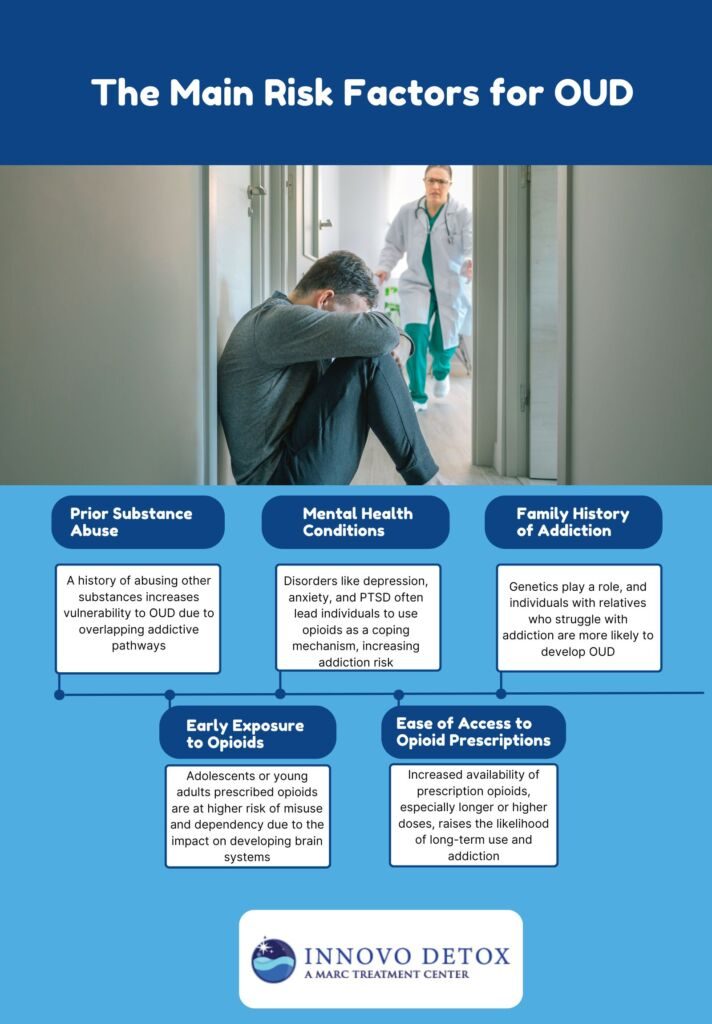
The main risk factors for OUD are as follows:
- Prior substance abuse: Individuals with a history of abusing alcohol, tobacco, or other drugs are more likely to develop OUD. Substance abuse alters brain chemistry, increasing susceptibility to the reinforcing effects of opioids. This overlap of addictive pathways heightens the risk of dependency when exposed to opioids.
- Mental health conditions: Conditions such as depression, anxiety, and PTSD are closely linked to OUD. People with untreated mental health issues turn to opioids as a coping mechanism for emotional distress, which leads to misuse and eventual addiction. Rogers AH et al. 2021, in their systematic review titled “Association of opioid misuse with anxiety and depression: A systematic review of the literature,” found a strong bidirectional relationship between opioid misuse and mental health conditions like anxiety and depression.
- Family history of addiction: Genetic predisposition plays a significant role in OUD risk. Research by Kendler KS et al., 2000 shows that heritability estimates for OUD range from 23% to 54%, suggesting that individuals with close relatives who misuse substances are at higher risk.
- Early exposure to opioids: Adolescents and young adults prescribed opioids for injuries or surgeries are particularly vulnerable to OUD. Early exposure disrupts developing brain systems, increasing the likelihood of misuse and long-term dependency.
- Ease of access to opioid prescriptions: Increased availability of prescription opioids has been strongly correlated with addiction rates. A study by Von Korff, MR. et al. 2013, titled “Long-term use of opioids for complex chronic pain,” shows that longer and higher-dose prescriptions significantly raise the risk of dependency. For instance, a single prescription lasting more than five days doubles the risk of long-term use.
What Are the Signs and Symptoms of Opioid Addiction?
The signs and symptoms of opioid addiction manifest physically, behaviorally, and psychologically, with common indicators including intense cravings, persistent drowsiness, and social isolation. These signs signal a significant disruption in daily life and health, requiring immediate attention to prevent worsening dependence and associated risks.
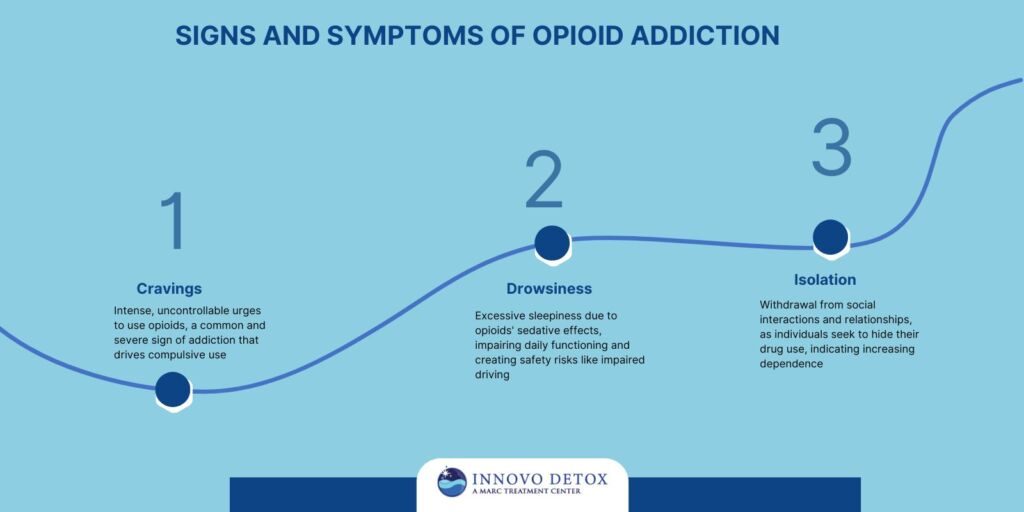
The signs and symptoms of opioid addiction are as follows:
- Cravings: Cravings refer to the intense desire or urge to use opioids, overwhelming the individual. This is a psychological symptom, and it is one of the most common and severe indicators of addiction, as it drives the compulsive nature of opioid misuse. According to a study by Kakko J et al. 2019 titled “Craving in Opioid Use Disorder: From Neurobiology to Clinical Practice,” 89% of individuals in addiction treatment report frequent cravings for opioids.
- Drowsiness: Drowsiness, or excessive sleepiness, is a physical symptom that occurs due to the sedative effects of opioids. It significantly impairs an individual’s ability to function normally in daily life. This symptom is reported by 65-75% of individuals with opioid addiction, according to WebMD, leading to safety concerns, such as impaired driving and accidents.
- Isolation: Isolation is a behavioral symptom where individuals with opioid addiction withdraw from family, friends, and social situations to hide their substance use. It is a serious sign because it signals an individual’s worsening addiction and increasing dependence on opioids. Around 54% of opioid-addicted individuals report social withdrawal as a significant behavioral symptom, according to Christie NC et al. 2021, in “The Role of Social Isolation in Opioid Addiction.”
What Are the Early Signs of Opioid Addiction That Often Go Unnoticed?
The early signs of opioid addiction that often go unnoticed are subtle changes in behavior and physical responses, such as mood swings, increased tolerance, and secretive actions. Mood swings occur as the brain adjusts to the drug, leading to unexplained emotional shifts. Secretive behavior and isolation, like unexplained absences or withdrawal from social activities, signal growing dependence, though these signs are often overlooked or misinterpreted.
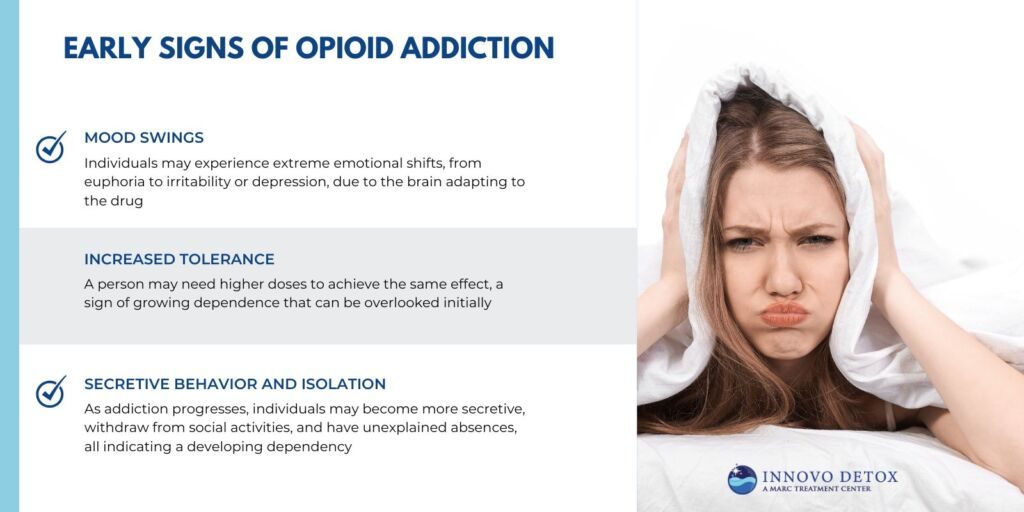
The early signs of opioid addiction that often go unnoticed are as follows:
- Mood Swings: Mood swings are one of the initial psychological signs of opioid addiction. Individuals experience extreme changes in their emotional state, ranging from euphoria to irritability or depression. These fluctuations result from the brain’s adaptation to the drug and its impact on the reward system. This symptom goes unnoticed as mood swings are attributed to stress or other life factors.
- Increased Tolerance: Increased tolerance occurs when the individual needs to take higher doses of opioids to achieve the same effect. This physical sign is overlooked at first but clearly indicates growing dependence. As the body adapts to the substance, the individual does not recognize the gradual dosage increase, leading to more significant health risks.
- Secretive Behavior and Isolation: As opioid addiction progresses, individuals become more secretive, hiding their drug use or their whereabouts. This also manifests as unexplained absences from work, school, or social events. Isolation becomes more pronounced as the individual avoids social interactions to conceal their behavior or to prioritize drug use over relationships.
How Does Opioid Use Disorder Affect Your Health?
Opioid Use Disorder (OUD) affects your health in both the short and long term, impacting mental, physical, and social well-being. In the short term, opioid misuse leads to altered brain chemistry, causing immediate mental health issues such as anxiety, depression, and cognitive impairments. Physical symptoms include drowsiness, nausea, and respiratory depression, which are life-threatening.
Over time, prolonged opioid use exacerbates chronic pain due to the body’s increased tolerance to the drug, leading to a vicious cycle of dependency and worsening physical health. Socially, individuals with OUD face isolation, strained relationships, and difficulties in maintaining employment, further compounding their health challenges. In the long run, the damage to brain function and the body’s systems results in chronic health issues, including organ damage, immune system suppression, and permanent cognitive deficits.
How Does OUD Impact the Brain’s Reward System?
OUD impacts the brain’s reward system by altering dopamine regulation and disrupting neural pathways necessary for pleasure and reward processing. Opioids, when used, flood the brain with dopamine, creating intense feelings of euphoria and reinforcing the behavior, which leads to addiction. With continued opioid use, the brain’s natural ability to produce dopamine is diminished, and the reward system becomes less responsive.
This adaptation reduces the ability to experience pleasure from everyday activities, making the individual more reliant on the drug to feel rewarded. Studies by the National Institute on Drug Abuse (NIDA) show that opioid use changes neural pathways, impairing neuroplasticity, which is the brain’s ability to adapt and recover. Over time, these changes cause long-term alterations in brain function, contributing to the cycle of addiction and making it difficult for individuals to quit.
Can Opioid Addiction Be Fatal?
Yes, opioid addiction poses a serious risk of fatal overdose due to its effects on the central nervous system, mainly through respiratory depression. Opioids suppress the brain’s ability to regulate breathing, leading to slow or even complete cessation of breath, which results in death if not treated immediately.
Long-term opioid use also increases the risk of other fatal health complications, including heart problems and liver disease. According to the Centers for Disease Control and Prevention (CDC), opioid overdose deaths have dramatically risen, with nearly 70,000 people dying in the United States from opioid-related overdoses in 2020 alone.
What Are Different Types of Opioid Addictions?
Different types of opioid addictions include prescription opioids, synthetic opioids, and illegal opioids. Each category presents distinct risks for addiction, with varying degrees of severity depending on their usage and accessibility.
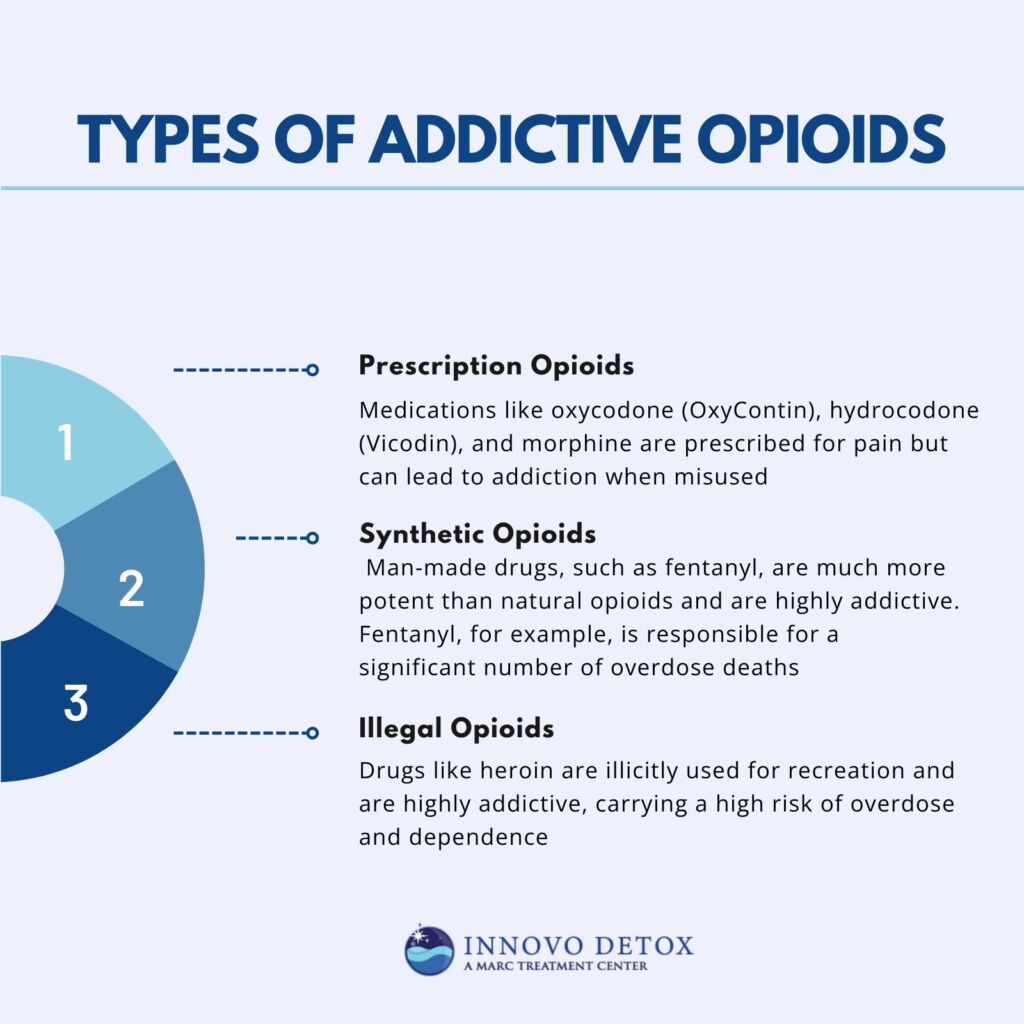
Prescription opioids are used to manage moderate to severe pain but carry a high risk of addiction when misused. Common examples include oxycodone (OxyContin), hydrocodone (Vicodin), and morphine. According to the American Medical Association (AMA), 3% to 19% of people prescribed these medications develop an addiction.
Synthetic opioids, such as fentanyl, are man-made drugs that mimic natural opioids but are far more potent. Fentanyl is 50–100 times stronger than morphine and a major driver of overdose deaths. According to the CDC, deaths involving synthetic opioids, primarily illicit fentanyl, increased by 55.6% from January 2020 to January 2021.
Illegal opioids like heroin are highly addictive and commonly used recreationally. Heroin rapidly crosses the blood-brain barrier, producing intense euphoria but also leading to severe dependence and overdose risks. In 2022, heroin was involved in approximately 7% of all opioid overdose deaths, according to a report by Spencer MR, Garnett MF, and Miniño AM et al. (2024), titled “Drug Overdose Deaths in the United States, 2002–2022.”
The different types of opioid addictions are detailed below:
Codeine Addiction
Codeine addiction is the compulsive use of the prescription opioid codeine, used to treat mild to moderate pain and as a cough suppressant. It is mixed with other medications like NyQuil to make Sizzurp or Lean. This combination is extremely dangerous and raises the risk of overdose. The CDC reports that prescription opioids, including codeine, contributed to the nearly 108,000 drug overdose deaths in 2022.
Hydromorphone (Dilaudid) Addiction
Dilaudid addiction is the misuse of the potent prescription opioid hydromorphone, used to treat severe pain. While specific statistics on hydromorphone are scarce, it is recognized as a potent opioid with a high potential for misuse and dependence.
Oxymorphone (Opana) Addiction
Oxymorphone addiction is the compulsive use of the prescription opioid Oxymorphone which is used for severe pain management. The CDC has reported concerns about oxymorphone-related overdoses, leading to its market withdrawal in 2017 due to abuse risks.
Oxycodone (OxyContin) Addiction
Oxycodone addiction is the abuse of the prescription opioid oxycontin, used to treat moderate to severe pain. According to the CDC, in 2022, there were nearly 108,000 drug overdose deaths in the U.S., with approximately 82,000 involving opioids. Prescription opioids like oxycodone have been significant contributors to these fatalities.
Hydrocodone (Vicodin) Addiction
Hydrocone addiction is the misuse of the prescription opioid vicodin, used for pain relief and as a cough suppressant. The CDC reports that in 2022, nearly 108,000 people died from drug overdoses, with approximately 82,000 involving opioids. Prescription opioids such as hydrocodone have played a role in these deaths.
Morphine Addiction
Morphine addiction is the compulsive use of morphine, a natural opioid used to treat severe pain. While specific data on morphine-related overdoses are limited, the CDC notes that prescription opioids were involved in a significant number of the nearly 108,000 drug overdose deaths in 2022.
Fentanyl Addiction
Fentanyl addiction is the abused of a synthetic opioid approved for treating severe pain, typically in advanced cancer cases. It is 50 to 100 times more potent than morphine. According to the Centers for Disease Control and Prevention (CDC), nearly 108,000 people died from drug overdoses in 2022, with approximately 82,000 of those deaths involving opioids. Synthetic opioids like fentanyl were significant contributors to these fatalities.
Methadone Addiction
Methadone addiction is the misuse of a synthetic opioid used for pain management and as part of medication-assisted treatment for opioid use disorder. According to the CDC, methadone-involved overdose deaths have declined in recent years, but it remains a concern within the broader context of opioid-related fatalities.
Heroin Addiction
Heroin addiction is the compulsive use of heroin despite the negative consequences. Heroin is an illegal opioid synthesized from morphine, commonly injected, snorted, or smoked. The National Institute on Drug Abuse (NIDA) reports that heroin-involved overdose deaths rose from 3,036 in 2010 to 15,469 in 2016. Since then, deaths have decreased, with 5,871 reported in 2022. The decline is partly due to the increasing presence of fentanyl in the drug supply.
What Are Short-Acting vs. Long-Acting Opioids?
Short-Acting vs. Long-Acting Opioids are distinguished by their duration of effect and how they are released into the body. Short-acting opioids are designed to provide rapid pain relief and have a relatively short half-life, lasting for a few hours. These are formulated as immediate-release medications and are used to manage acute pain. Examples of short-acting opioids include oxycodone and morphine, which act quickly but wear off within hours, requiring more frequent dosing.
Long-acting opioids are formulated to release the drug into the system slowly, providing longer-lasting relief. These extended-release medications have a longer half-life and are used for chronic pain management. Examples of long-acting opioids include oxycodone ER and fentanyl patches. While they reduce the frequency of dosing, they carry a higher risk of overdose due to the prolonged effects and potential for misuse, especially when the medication is tampered with or abused.
Which Opioids Are the Most and Least Addictive?
The most addictive opioids are heroin, fentanyl, and morphine, and the least addictive opioids are tramadol and buprenorphine. Heroin is highly potent and has a rapid onset, which makes it particularly addictive. Its misuse leads to a powerful physical and psychological dependence. Similarly, fentanyl is extremely potent, and even small amounts lead to overdose, increasing its addictive potential. Morphine has a high potential for addiction due to its strong pain-relieving properties, making it prone to misuse, especially in individuals with chronic pain.
Tramadol, on the other hand, is considered less addictive than other opioids because it has a lower potential for misuse and does not produce the intense euphoric effects associated with more potent opioids like heroin or fentanyl. Buprenorphine, while still an opioid, is used in addiction treatment due to its ability to reduce cravings and withdrawal symptoms with a lower risk of misuse compared to traditional opioids.
What Are the Best Treatment Approaches for Opioid Use Disorder?
The best treatment approaches for opioid use disorder (OUD) involve a combination of detoxification, medication-assisted treatment (MAT), behavioral therapies, dual diagnosis therapy, and family counseling. These strategies address both the physical and psychological aspects of addiction, ensuring a comprehensive and holistic treatment plan.
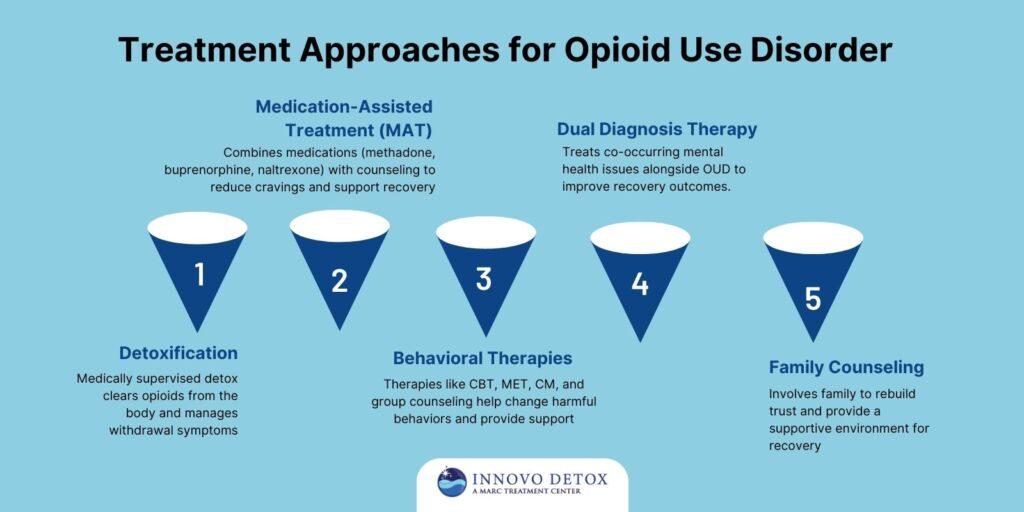
The best treatment approaches for opioid use disorder (OUD) are as follows:
1. Detoxification
Detoxification, or medical detox, is the process of clearing opioids from the body while managing withdrawal symptoms. It serves as the first step in OUD treatment, allowing the individual to begin the recovery process safely. Medical detox helps reduce the severity of withdrawal, providing supervised care to ensure the safety and comfort of the patient.
Detox alone is not sufficient for long-term recovery and should be followed by further treatment options. According to SAMHSA, 68% of people who complete drug and alcohol detox programs report their treatment to be successful.
2. Medication-Assisted Treatment (MAT)
Medication-assisted treatment (MAT) combines medications with counseling and behavioral therapies to treat OUD. MAT works by helping to stabilize brain chemistry and reduce cravings, making recovery more manageable. Common drugs used in MAT include methadone, buprenorphine, and naltrexone, each FDA-approved to reduce opioid misuse and prevent relapse.
MAT is highly effective, with studies indicating that patients undergoing MAT are more likely to stay in treatment, avoid overdose, and experience fewer relapses. According to a survey by Feelemyer J. et al. 2014, titled “Retention of participants in medication-assisted programs in low- and middle-income countries: an international systematic review,” medication-assisted treatment (MAT) has shown a 54.3% average retention rate after 12 months in low- and middle-income countries (LMIC), with methadone programs achieving slightly higher retention at 56.6% compared to buprenorphine at 48.3%. The retention rate is considered moderately good, with no significant difference in retention based on methadone dosage levels.
3. Behavioral Therapies
Behavioral therapies are important in addressing the psychological aspects of opioid addiction. These therapies help patients identify and modify harmful behaviors while developing healthier coping mechanisms.
The best behavioral therapies for OUD are as follows:
- Cognitive Behavioral Therapy (CBT): CBT is a widely used therapeutic approach that targets the identification and modification of negative thought patterns and maladaptive behaviors contributing to addiction. By helping individuals recognize and challenge distorted thinking, CBT aims to replace unhealthy coping strategies with more constructive behaviors. A meta-analysis by Cuijpers P et al. 2016 titled “How effective are cognitive behavior therapies for major depression and anxiety disorders? A meta-analytic update of the evidence” reported that CBT is quite effective in reducing opioid use and preventing relapse.
- Motivational Enhancement Therapy (MET): MET is a client-centered, directive therapy designed to enhance an individual’s motivation to change. It resolves ambivalence toward treatment by exploring discrepancies between current behavior and long-term goals. MET increases treatment engagement and promotes behavior change. A study published in JAMA Psychiatry 2014 found that MET, when combined with other treatments, significantly improved retention in opioid treatment programs and reduced substance use.
- Contingency Management (CM): CM is a behavioral intervention that utilizes tangible rewards to reinforce positive behaviors such as abstinence from drug use and treatment adherence. By providing immediate and consistent rewards for meeting treatment goals, CM encourages participants to stay engaged in their recovery. A study by Petry NM et al. 2012, titled “ A randomized trial adapting contingency management targets based on initial abstinence status of cocaine-dependent patients,” demonstrated that CM significantly increased abstinence rates in individuals with opioid use disorder, with participants in CM groups showing higher rates of adverse drug tests compared to those in control groups.
- Group Counseling: Group counseling provides a supportive and structured environment where individuals struggling with opioid addiction share their experiences, receive feedback, and learn from the collective wisdom of others. Group sessions incorporate therapeutic techniques such as CBT and MET, promoting a sense of community and reducing isolation. Research by Patterson et al., 2010 in their book “Handbook of Group Counseling,” supports the effectiveness of group counseling in opioid recovery. It improves treatment retention, decreases substance use, and enhances social support.
4. Dual Diagnosis Therapy
Dual diagnosis therapy focuses on treating co-occurring mental health disorders, such as depression or anxiety, alongside opioid use disorder. Addressing both conditions simultaneously is important because untreated mental health issues complicate the recovery process and increase the risk of relapse. Integrated treatment approaches have been shown to improve outcomes for individuals with co-occurring disorders, providing a more comprehensive and effective treatment plan for long-term recovery.
5. Family Counseling
Family counseling helps repair relationships and fosters a supportive environment for recovery. Addiction strains family dynamics, and family therapy plays an important role in rebuilding trust, improving communication, and providing a foundation of support for the individual in recovery. Evidence has shown that family counseling improves treatment outcomes, reduces relapse rates, and enhances overall family functioning. The involvement of family members in the recovery process makes a significant difference in the individual’s long-term success.
Do Holistic Approaches Like Yoga or Meditation Help With OUD?
Yes, holistic approaches like yoga and meditation enhance opioid recovery by promoting mindfulness, relaxation, and stress management. These practices help individuals develop greater awareness of their thoughts and emotions, allowing them to manage cravings and reduce stress without relying on substances.
Yoga, in particular, incorporates physical movement, which helps restore balance to the body and mind, while meditation promotes mindfulness, which has been shown to reduce the risk of relapse. By focusing on the present moment, individuals in recovery better manage triggers and cope with the emotional challenges associated with opioid use disorder (OUD), complementing conventional treatments such as medication-assisted therapy (MAT) and counseling.
Is Outpatient Treatment Effective For Opioid Use Disorder?
Yes, outpatient treatment is effective for opioid use disorder (OUD) for many individuals, offering a more flexible and affordable alternative to inpatient programs. Outpatient programs, including intensive outpatient programs (IOP), provide structured support while allowing individuals to continue living at home and maintain work or family responsibilities.
They are best suited for people with a stable living environment and a strong support system who do not require 24-hour supervision. Research by Ho C, Adcock L., et al. 2017, titled “Inpatient and Outpatient Treatment Programs for Substance Use Disorder: A Review of Clinical Effectiveness and Guidelines,” comparing outpatient and inpatient treatments shows that outpatient programs are just as effective for individuals with less severe addiction.
Inpatient care is more beneficial for those with complex or severe cases of OUD. Outpatient programs offer ongoing counseling, therapy, and medication management, allowing patients to integrate recovery into their daily lives.
How Long Does Opioid Recovery Take?
Opioid recovery takes anywhere from a few months to several years, depending on the individual and their treatment plan. Recovery is divided into four stages: early recovery, early to mid-term recovery, mid to long-term recovery, and long-term recovery.
During the early recovery phase, which usually lasts 1 to 3 months, individuals focus on stabilizing their physical health, managing withdrawal symptoms, and starting therapy or medication-assisted treatment (MAT). The early to mid-term phase (3–6 months) involves building new coping skills and addressing underlying psychological issues, such as trauma or mental health disorders.
Mid to long-term recovery (6 months to 2 years) focuses on maintaining sobriety, strengthening support systems, and managing life stresses without reverting to substance use. Long-term recovery (2 years and beyond) involves continued support, relapse prevention strategies, and sustaining a fulfilling life in sobriety.
The duration of opioid recovery varies based on several factors, including the severity of the addiction, the individual’s health status, and the quality of their treatment and social support systems. Long-term commitment to recovery is necessary for preventing relapse and maintaining sobriety.
A study by the National Institute on Drug Abuse (NIDA) by Craft WH et al. 2023, titled “Long-term recovery from opioid use disorder: recovery subgroups, transition states and their association with substance use, treatment and quality of life,” emphasizes that recovery from opioid use disorder (OUD) is a long-term process, with many individuals requiring years of ongoing support and therapy to achieve sustained abstinence and improve quality of life.
What Is the Success Rate of Opioid Use Disorder Treatment?
The success rate of opioid use disorder (OUD) treatment ranges from 40% to 60%, according to the National Institute on Drug Abuse (NIDA). Success in addiction treatment is defined by continued engagement in treatment and progress in life quality rather than immediate abstinence. The likelihood of sustained recovery significantly increases with comprehensive care, which includes medication-assisted treatment (MAT), behavioral therapy, and robust social support networks.
Factors influencing the success of OUD treatment include the individual’s commitment to recovery, the severity of the addiction, access to treatment, and the presence of co-occurring mental health conditions. Treatment programs that incorporate relapse prevention strategies and address both physical and psychological aspects of addiction tend to have higher success rates. Long-term recovery from opioid addiction requires ongoing therapy, lifestyle changes, and continued support to maintain sobriety and prevent relapse.
How Can You Prevent Relapse After Recovery from Opioids?
You can prevent relapse after recovery from opioids by implementing strategies that include engaging in support groups, maintaining healthy routines, and managing triggers that lead to a relapse. By focusing on these strategies to prevent relapse, individuals strengthen their recovery and reduce the risk of returning to opioid misuse.
You can prevent relapse after recovery from opioids by following the strategies mentioned below:
- Support groups: Engaging with a support network, such as Narcotics Anonymous or other recovery groups, play an integral role in relapse prevention. Regular participation in these groups provides individuals a safe space to share experiences, gain insights from others, and stay accountable in their recovery journey. According to a study by Lookatch SJ, Wimberly AS, and McKay JR. et al. 2019, titled “Effects of Social Support and 12-Step Involvement on Recovery among People in Continuing Care for Cocaine Dependence,” people who remain involved in support networks have significantly lower relapse rates, as these groups offer emotional support and practical advice during challenging times.
- Healthy routines: Establishing a structured and healthy daily routine is key to long-term recovery. Incorporating activities like exercise, proper nutrition, and sufficient sleep helps the brain heal and strengthens resilience against potential triggers. Individuals who prioritize their physical well-being are less likely to relapse, as these positive habits improve overall mental and emotional health, making it easier to manage stress and cravings.
- Trigger management: Identifying and avoiding triggers that lead to opioid misuse is an integral part of relapse prevention. Triggers range from certain people, places, or emotions that are associated with past drug use. Developing coping mechanisms such as mindfulness, breathing exercises, or engaging in hobbies helps individuals manage cravings without returning to substance use. People who actively engage in coping strategies and avoid high-risk situations significantly reduce their chances of relapse.
Which Local Resources Are Available in Pennsylvania for Opioid Addiction Recovery?
Local resources that are available in Pennsylvania for opioid addiction recovery include a variety of treatment centers, support groups, and financial aid programs designed to support individuals in their recovery journey. These resources provide a range of services, including counseling, medication-assisted treatment, and community support to help individuals overcome opioid use disorder (OUD) and maintain long-term recovery.
Local resources available in Pennsylvania for opioid addiction recovery are as follows:
- OverdoseFreePA: As part of an initiative to combat the opioid crisis, OverdoseFreePA offers resources for prevention, treatment, and recovery. They provide educational materials, support services, and a directory of treatment centers to help individuals access the care they need to overcome opioid addiction.
- Pennsylvania Department of Drug and Alcohol Programs: The state’s Department of Drug and Alcohol Programs provides a directory of licensed treatment facilities, including those that specialize in opioid addiction recovery. They offer resources and support for individuals seeking treatment and recovery services across the state.
How Can You Support Someone Struggling with Opioid Use Disorder?
You can support someone struggling with opioid use disorder by offering emotional support, encouraging treatment, and avoiding enabling behaviors. Providing a compassionate environment that promotes recovery makes a significant difference in their journey toward long-term sobriety. It’s important to actively listen, encourage others to seek professional help for opioid addiction and remain patient while setting healthy boundaries to prevent destructive behaviors.
You can support someone struggling with opioid use disorder by following the below-mentioned strategies:
- Providing Empathy and Emotional Support: Emotional support is a key component of recovery. Letting the person know you care and are there for them without judgment helps them feel validated and supported. Active listening and offering empathy promote trust and encourage them to seek professional treatment. Dobkin PL et al. 2002, in their study titled “The Role of Functional Social Support in Treatment Retention and Outcomes among outpatient adult substance abusers,” found that those with stronger social support networks remain in treatment longer and have better recovery outcomes with a decreased likelihood of return to use.
- Encouraging Treatment and Treatment Resources: Encourage your loved one to explore treatment options such as therapy, medication-assisted treatment, or local recovery support groups. Connecting them with treatment resources and professional help significantly increases the likelihood of recovery and long-term success.
- Avoiding Enabling Behavior: While it’s important to show support, enabling behaviors, such as providing money or covering up for their addiction, hinder the recovery process. Instead, help them find resources and encourage accountability in their recovery journey.


