Alcohol addiction rehabilitation is designed to help individuals stop alcohol use and recover from its physical and mental effects. According to the National Institute on Alcohol Abuse and Alcoholism in “Treatment for Alcohol Problems: Finding and Getting Help” (2021), rehab improves long-term sobriety outcomes by addressing both the physical dependence and behavioral patterns driving addiction.
The main types of alcohol addiction rehab include inpatient rehab, outpatient rehab, partial hospitalization programs (PHP), residential rehab, and online treatment. Each type offers varying levels of care based on addiction severity.
Key benefits of alcohol rehab include improved physical health, restored brain function, emotional stability, and reduced relapse risk. A neuroimaging study by Lisa M. J. Bauer titled “Neuroplasticity and Recovery from Alcohol Use Disorder,” published in the Journal of Psychiatry and Neuroscience (2022), found significant cognitive improvement in areas like decision-making and emotional regulation after 30–90 days of sobriety.
Treatment approaches used in alcohol rehab include behavioral therapies (e.g., CBT), medication-assisted treatment (MAT), detoxification, and aftercare support. The National Institute on Drug Abuse in “Principles of Drug Addiction Treatment” (2022) notes that integrated approaches combining therapy and medication lead to better recovery outcomes.
The cost of alcohol addiction rehab varies widely—from $1,500 for basic outpatient care to over $60,000 for luxury inpatient programs. According to the Substance Abuse and Mental Health Services Administration in “Treatment Episode Data Set” (2021), costs depend on treatment duration, facility type, and services offered.
What Is Alcohol Addiction Rehabilitation?
Alcohol addiction rehabilitation is a structured treatment program designed to help individuals struggling with alcohol dependence regain control over their lives. The primary goal of rehabilitation is to help individuals overcome alcohol use disorder (AUD), a condition where a person becomes physically and psychologically dependent on alcohol.
Alcohol addiction rehabilitation involves medical intervention, counseling, behavioral therapies, and support systems to facilitate recovery.
According to the National Institute on Alcohol Abuse and Alcoholism (NIAAA), treatment programs offer a comprehensive approach that addresses both the physical and psychological aspects of addiction.
Rehabilitation significantly reduces the risk of relapse and improves overall well-being by treating underlying issues, such as mental health conditions, that contribute to alcohol abuse.
Individuals who need alcohol addiction rehabilitation include those who exhibit symptoms such as an inability to control drinking, withdrawal symptoms, and a continued desire to drink despite negative consequences.
This group ranges from casual drinkers who have developed a dependence on alcohol to severe alcoholics whose daily lives are impacted by their addiction. A representative group includes individuals who have repeatedly failed to quit drinking on their own and those whose alcohol use causes disruptions in work, family life, and relationships.
The goals of alcohol addiction rehabilitation, as outlined by authoritative sources, include breaking the cycle of addiction, fostering personal accountability, and helping individuals re-establish a life without reliance on alcohol.
According to the American Society of Addiction Medicine, successful rehabilitation aims to provide individuals with the tools and strategies they need to manage cravings, prevent relapse, and reintegrate into society.
What Is the Purpose of Alcohol Addiction Rehab?
The purpose of alcohol addiction rehabilitation is to help individuals recover from alcohol dependence by providing them with the necessary tools and support to stop drinking. It aims to address both the physical and psychological aspects of addiction, promoting long-term sobriety and improved overall health.
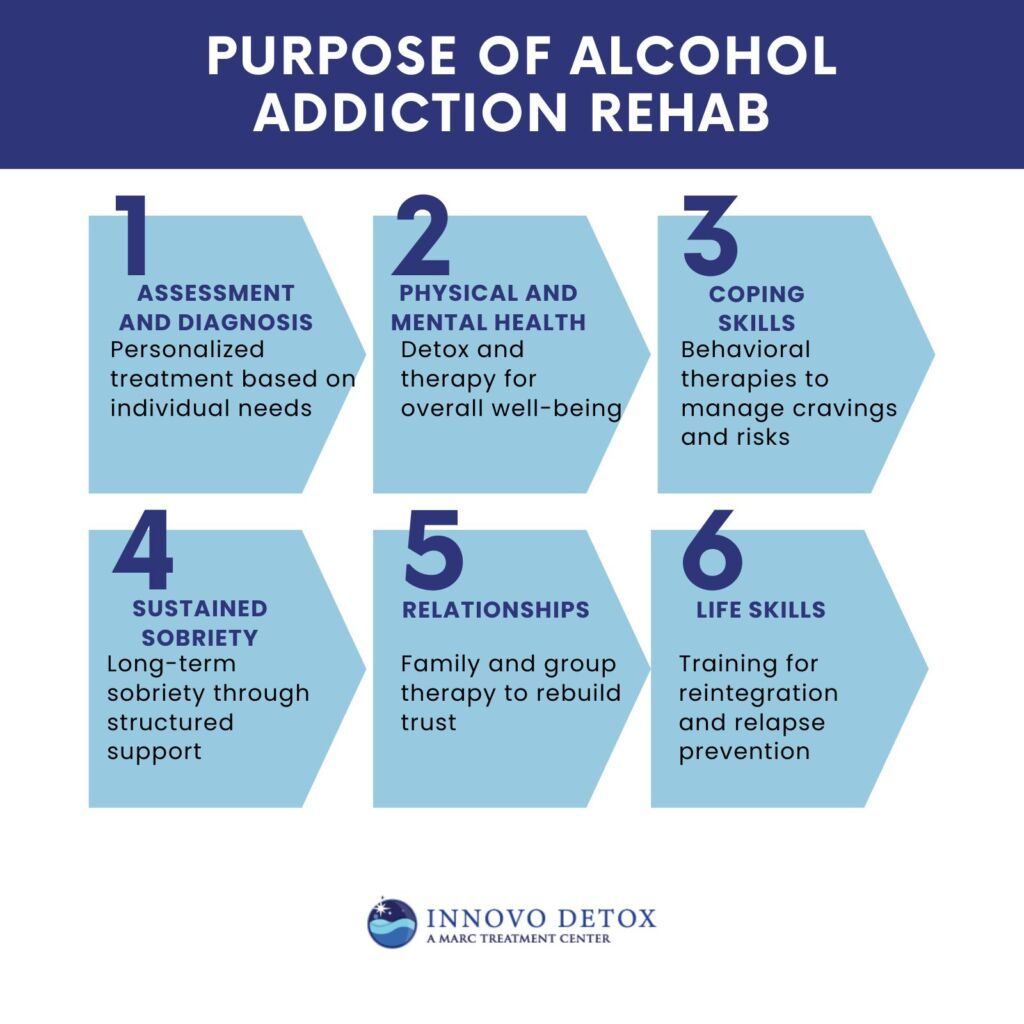
The purpose of alcohol addiction rehab is explained below:
- Assessment and Diagnosis: Alcohol rehab begins with a comprehensive evaluation to determine the severity of alcohol use disorder and identify any co-occurring mental or physical conditions. This step ensures a personalized treatment plan that addresses individual needs, including psychiatric support or medical intervention. According to the National Institute on Alcohol Abuse and Alcoholism (NIAAA, 2021), early diagnosis enhances treatment outcomes by allowing targeted interventions and reducing the risk of relapse.
- Improve Physical and Mental Health: Rehabilitation programs focus on restoring both physical stability and psychological balance. Medically, patients undergo supervised detox to reduce withdrawal risks such as seizures and delirium tremens. Psychologically, therapy addresses anxiety, depression, and trauma—conditions linked to alcohol misuse, according to data from the American Society of Addiction Medicine.
- Develop Coping Skills and Strategies: Rehab centers use structured behavioral therapies like CBT and MET to help patients manage cravings and high-risk situations. These approaches train the brain to break the alcohol-reward link and build alternative coping strategies. As reported by the National Institute on Drug Abuse in its 2022 clinical guide, behavioral training improves long-term abstinence rates by 40% in structured programs.
- Achieve Sustained Sobriety: The long-term goal of alcohol rehab is to achieve and maintain sobriety through structured living, therapy, and peer support. A controlled environment reinforces discipline and reduces exposure to triggers. A review by the NIAAA (2021) found that patients in full-spectrum rehab programs were 60% more likely to remain sober after one year compared to those who received only detox services.
- Strengthen Relationships: Addiction strains personal relationships, but rehab programs often integrate family counseling and group therapy to rebuild trust. These sessions improve communication, encourage accountability, and reduce social isolation. According to ASAM’s 2020 rehabilitation outcomes report, participants who received family therapy were twice as likely to report stable home environments post-treatment.
- Enhance Life Skills: Effective rehabilitation includes vocational training, emotional regulation, and self-care routines that prepare individuals for life beyond rehab. These interventions support reintegration into society and reduce unemployment linked to substance abuse. As reported by the NIAAA (2021), skill-building interventions reduce relapse risk by up to 30% within the first six months post-rehab.
Alcohol rehab, by fulfilling these purposes, reshapes lives—enabling patients to rebuild their health, relationships, and careers with clarity and independence.
How Does an Alcohol Rehab Work?
An alcohol rehab works by guiding individuals through a structured recovery process that combines medical treatment, psychological therapy, and lifestyle restructuring. Alcohol rehab functions through a multi-phase model that includes detoxification, behavioral therapy, and long-term relapse prevention planning.
Structured programs begin with medical detox, where patients are monitored for withdrawal symptoms and stabilized with medications such as benzodiazepines or naltrexone. This phase ensures safety and physical readiness for psychological treatment.
Next, evidence-based therapy methods such as Cognitive Behavioral Therapy (CBT), Motivational Enhancement Therapy (MET), and group counseling are used to modify harmful behaviors and beliefs related to alcohol use. These methods help individuals recognize their triggers and develop healthier coping mechanisms.
Throughout the program, patients receive support through peer groups, family therapy sessions, and ongoing case management. According to the National Institute on Alcohol Abuse and Alcoholism (2021), consistent support systems and structured environments increase treatment adherence and improve long-term recovery outcomes by over 50%.
What Are the Different Types of Alcohol Addiction Rehab?
The different types of alcohol addiction rehab are inpatient rehab, outpatient rehab, partial hospitalization programs (PHP), and residential rehab. Each type varies in intensity and structure, with inpatient and residential programs offering 24-hour care while outpatient and PHP options provide flexible treatment schedules for individuals who can maintain responsibilities at home.
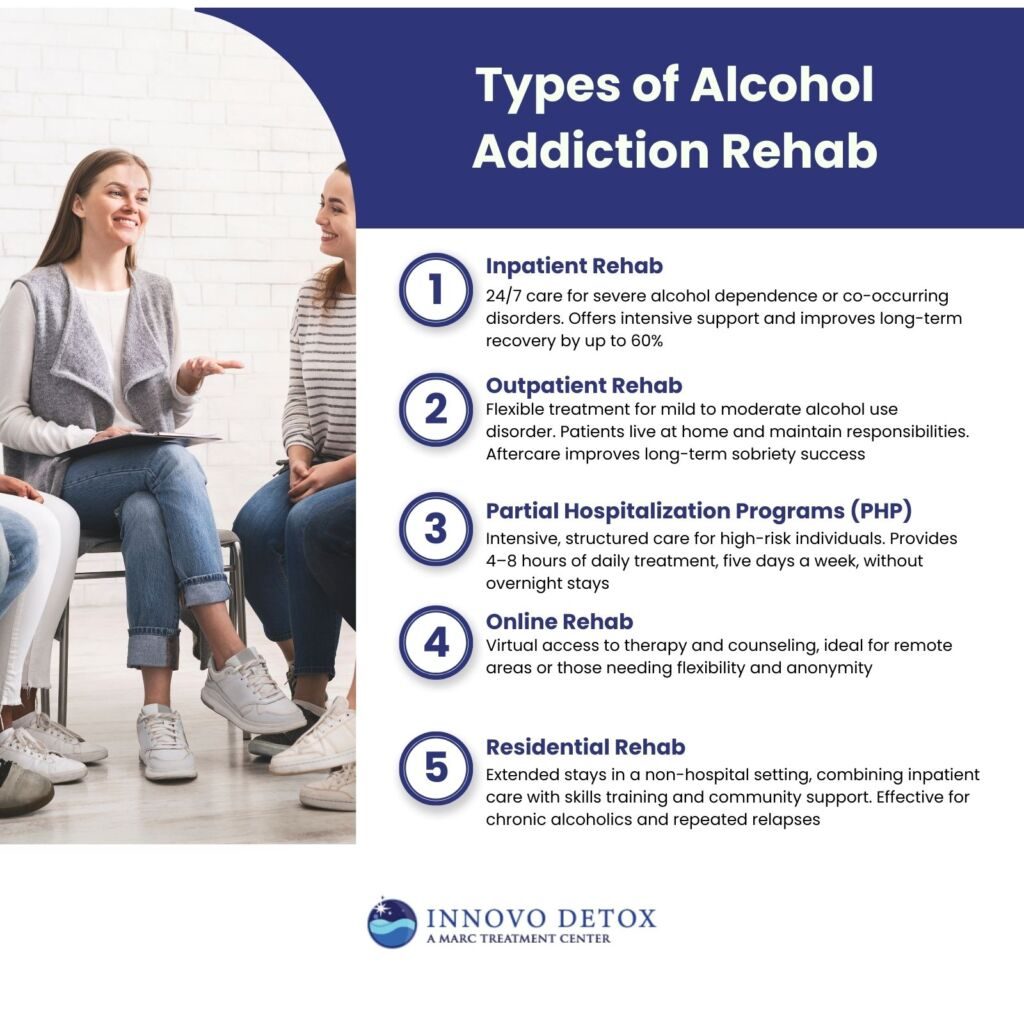
The different types of alcohol addiction rehab are explained below:
Inpatient Rehab
Inpatient rehab is a residential treatment program where individuals live at the facility and receive round-the-clock medical and psychological care. It is most effective for individuals with severe alcohol dependence, those with co-occurring mental health disorders, or those who have relapsed multiple times. According to a report by the National Institute on Alcohol Abuse and Alcoholism titled “Alcohol Treatment: An Overview” (2021), inpatient rehab improves long-term recovery success by up to 60%, due to its controlled environment and intensive support.
Outpatient Rehab
Outpatient rehab allows patients to attend therapy and medical appointments while living at home, maintaining work and family responsibilities. This model is suitable for individuals with mild to moderate alcohol use disorder who have a strong external support system. A study by the National Institute on Alcohol Abuse and Alcoholism found that 45% of patients completing structured outpatient programs maintained sobriety for at least 12 months, particularly when aftercare was provided.
Partial Hospitalization Programs (PHP)
Partial hospitalization rehab is a structured program offering 4–8 hours of daily care, typically five days a week, without requiring overnight stays. It is ideal for individuals who need more medical oversight than standard outpatient rehab but do not require 24-hour residential care. According to a clinical outcome review by the American Society of Addiction Medicine in “Treatment Guidelines for Alcohol Use Disorder” (2020), PHP models yielded a 50% improvement in treatment adherence and symptom reduction in high-risk individuals.
Online Rehab
Online rehab offers virtual access to licensed therapists, group counseling, and addiction education through secure platforms, making it ideal for those in rural areas or with limited mobility. It is also suitable for people who prefer anonymity or flexible scheduling.
Residential Rehab
Residential rehab combines elements of inpatient care with extended stays, often lasting several months, in a non-hospital setting. It provides therapy, skills training, and community support, making it effective for chronic alcoholics and those recovering from repeated relapses. According to data from the National Institute on Drug Abuse in the publication “Principles of Drug Addiction Treatment” (2022), long-term residential rehab increases sustained recovery rates by 30–50%, especially when followed by outpatient or transitional support.
Each type of alcohol addiction rehab serves a specific population, and selecting the right one depends on the severity of addiction, personal circumstances, and medical needs.
What Are the Initial Steps to Assessing A Rehab?
The initial steps to assessing a rehab are verifying accreditation, evaluating the treatment methods offered, and reviewing staff credentials and success rates. These steps ensure that the facility meets medical and ethical standards, provides evidence-based care, and has a proven track record in treating alcohol use disorder.
The initial steps to assessing a rehab are explained below:
- Patterns of Substance Misuse: This step involves evaluating how often, how much, and under what circumstances the individual consumes alcohol. Understanding the pattern helps determine the severity of alcohol dependence and the risk of withdrawal complications. According to the National Institute on Alcohol Abuse and Alcoholism in the publication “Helping Patients Who Drink Too Much” (2021), early identification of high-risk drinking patterns allows for tailored interventions that improve treatment outcomes.
- Medical History: Assessing a patient’s past medical conditions, especially liver disease, cardiovascular problems, and psychiatric disorders, is crucial for designing a safe and effective rehab plan. Chronic alcohol use can worsen existing conditions or interact dangerously with prescribed medications. A full medical history ensures that any co-occurring conditions are addressed during detox and rehabilitation (American Society of Addiction Medicine, ASAM Clinical Guidelines, 2020).
- Current Health Status: A complete physical and psychological evaluation is performed to identify immediate health risks. This includes lab tests, mental health screenings, and vital signs monitoring to assess the body’s condition post-alcohol use. According to the Journal of Addiction Medicine (2022), comprehensive health assessments prior to treatment reduce medical emergencies during detox by over 40%.
- Legal Issues: Legal concerns such as DUI charges, custody cases, or court-ordered treatment are considered during the intake process. These factors influence treatment duration, required documentation, and court compliance reports. Addressing legal obligations early ensures coordination between rehab centers and legal authorities, which supports smoother reintegration post-treatment
- Family and Social Support System: Evaluating the patient’s support network helps determine post-treatment recovery strategies and the role of family in therapy. Facilities assess the stability and willingness of family or peers to participate in recovery.
- Readiness and Motivation to Change: Professionals assess whether the individual is internally motivated or externally pressured to seek treatment. This determines how motivational interviewing or behavioral therapy will be applied in the treatment plan
- Financial Capacity and Insurance Coverage: This step involves checking available resources, private insurance, or state-sponsored aid to cover rehab costs. Financial planning ensures continuous care without disruption due to inability to pay. According to SAMHSA’s 2021 analysis, 43% of treatment dropouts were linked to financial barriers or insurance lapses.
- Facility Compatibility and Availability:
Rehab centers assess whether their program structure and specializations match the patient’s needs. This includes determining availability in detox beds, gender-specific units, or trauma-informed care settings. Matching patient profiles with facility offerings increases treatment satisfaction and engagement.
These steps, when properly executed, ensure a personalized, medically sound, and legally compliant transition into alcohol rehab treatment.
What Are the Treatment Approaches Used in Alcohol Rehab?
The treatment approaches used in alcohol detoxification, inpatient rehab, alcohol counseling, and government treatment. These methods work together to modify harmful behaviors, manage withdrawal symptoms, and provide long-term coping strategies for sustained recovery.

The treatment approaches used in alcohol rehab are explained below:
- Alcohol Detoxification: Alcohol detoxification is the medical process of removing alcohol from the body while managing acute withdrawal symptoms. It is the first stage of rehab and often involves medications such as benzodiazepines to prevent seizures or delirium tremens. According to the National Institute on Alcohol Abuse and Alcoholism in the report “Alcohol Withdrawal Syndrome” (2021), medically supervised detox reduces withdrawal-related complications by over 60%.
- Inpatient Rehab: Inpatient rehab provides 24-hour structured care with a focus on therapy, medication, and behavioral interventions in a residential setting. It is best suited for individuals with severe alcohol use disorder or dual diagnoses. The American Society of Addiction Medicine’s ASAM Clinical Guidelines (2020) note that inpatient programs lead to higher treatment adherence and reduced relapse rates, especially when followed by aftercare.
- Alcohol Counseling: Counseling includes individual, group, and family sessions aimed at addressing the psychological roots of addiction. Cognitive Behavioral Therapy (CBT) and Motivational Interviewing (MI) are frequently used to help patients develop healthier thought patterns and coping strategies.
- Government Treatment Programs: Government-funded programs offer accessible and often subsidized rehab services through public health networks, typically including detox, counseling, and outpatient care. These programs serve individuals without private insurance or financial means. According to the Substance Abuse and Mental Health Services Administration in “Behavioral Health Barometer” (2021), public programs successfully treated 42% of enrolled alcohol-dependent individuals, with extended support services contributing to better outcomes.
- Medication-Assisted Treatment (MAT):
MAT uses FDA-approved medications such as naltrexone, acamprosate, and disulfiram to reduce alcohol cravings and prevent relapse. These medications are combined with counseling and behavioral therapy for a comprehensive approach. As reported by the National Institute on Drug Abuse (2022), MAT increases long-term abstinence rates by up to 40% when compared to therapy alone. - Outpatient Programs: Outpatient programs allow individuals to receive treatment while continuing with daily life responsibilities. These programs often include therapy, MAT, and peer support with flexible scheduling. NIAAA’s Treatment Services Review (2021) highlights that outpatient care is effective for patients with moderate AUD, especially when family involvement and follow-up services are included.
- Peer Support Groups (e.g., AA): Peer-led groups like Alcoholics Anonymous (AA) provide emotional support and accountability through regular meetings and the 12-step framework. These groups encourage community connection and long-term engagement. A meta-analysis in the Cochrane Database of Systematic Reviews (2020) found that participation in AA was associated with a 23% greater chance of continuous abstinence compared to other interventions.
These alcohol addiction treatment approaches address alcohol addiction from medical, psychological, and social angles, significantly increasing the chances of sustained recovery when combined and properly tailored to individual needs.
What Are the Stages of the Treatment Alcohol Addiction Rehabilitation?
The stages of the treatment of alcohol addiction rehabilitation are alcohol detoxification, rehabilitation therapy, and aftercare planning. Each stage builds on the previous one—starting with physical stabilization, followed by behavioral change through therapy, and ending with long-term relapse prevention and reintegration into daily life.
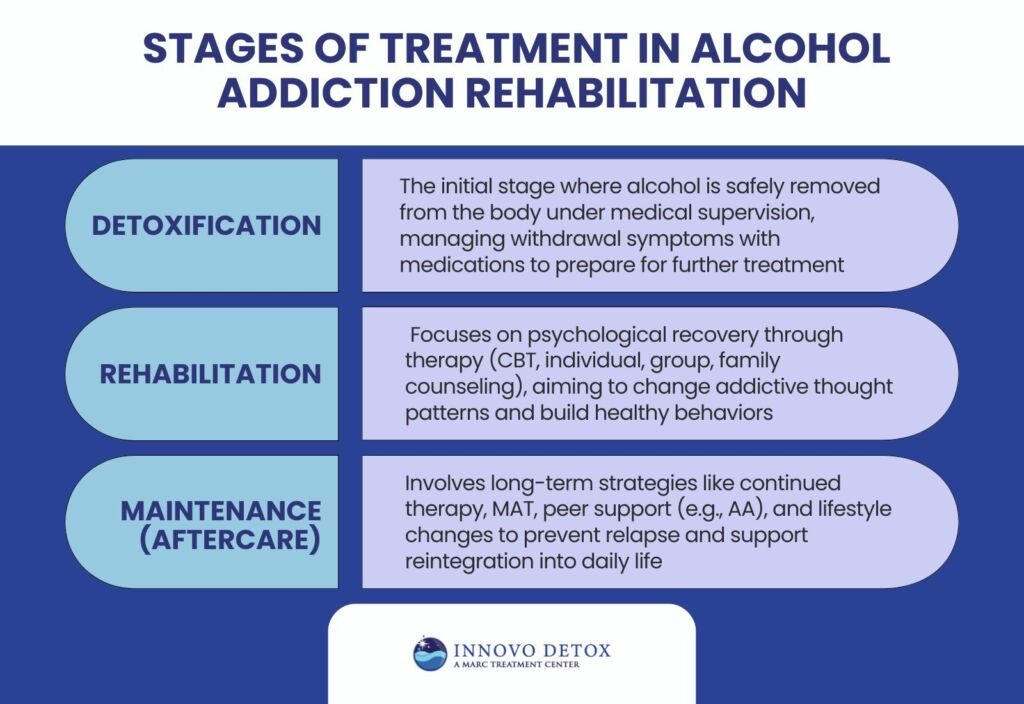
The stages of the treatment alcohol addiction rehabilitation are explained below:
- Detoxification: Detoxification is the initial stage where alcohol is safely removed from the body under medical supervision. The primary goal is to manage withdrawal symptoms, which include tremors, anxiety, or seizures, using medications like benzodiazepines or anticonvulsants. According to the National Institute on Alcohol Abuse and Alcoholism in the publication “Alcohol Withdrawal Syndrome” (2021), medically supervised detox reduces withdrawal-related complications by over 60% and prepares patients for long-term treatment.
- Rehabilitation: Rehabilitation follows detox and focuses on psychological recovery through structured therapy, behavioral modification, and skill-building. Key components include Cognitive Behavioral Therapy (CBT), individual counseling, group therapy, and family sessions aimed at identifying and addressing the root causes of addiction. As outlined in the American Society of Addiction Medicine’s ASAM Clinical Guidelines (2020), this stage is critical for changing alcohol-related thought patterns and sustaining behavioral change.
- Maintenance (Aftercare): The maintenance stage includes long-term strategies to prevent relapse, support recovery, and help individuals reintegrate into daily life. This involves continued therapy, medication-assisted treatment, peer support groups like Alcoholics Anonymous, and lifestyle restructuring. According to a review in the Journal of Substance Abuse Treatment (2022), ongoing aftercare reduces the likelihood of relapse by 40%, especially within the first year post-rehab.
The alcohol detoxification benefit addresses both the physical dependence, while the rest of the stage handles the psychological patterns that drive alcohol use.
What Are the Challenges in Alcohol Addiction Rehab Treatment?
The challenges in alcohol addiction rehab are withdrawal complications, low treatment adherence, and high relapse risk. These issues stem from physical dependence, psychological resistance to change, and lack of long-term support systems, all of which hinder successful recovery if not properly managed.
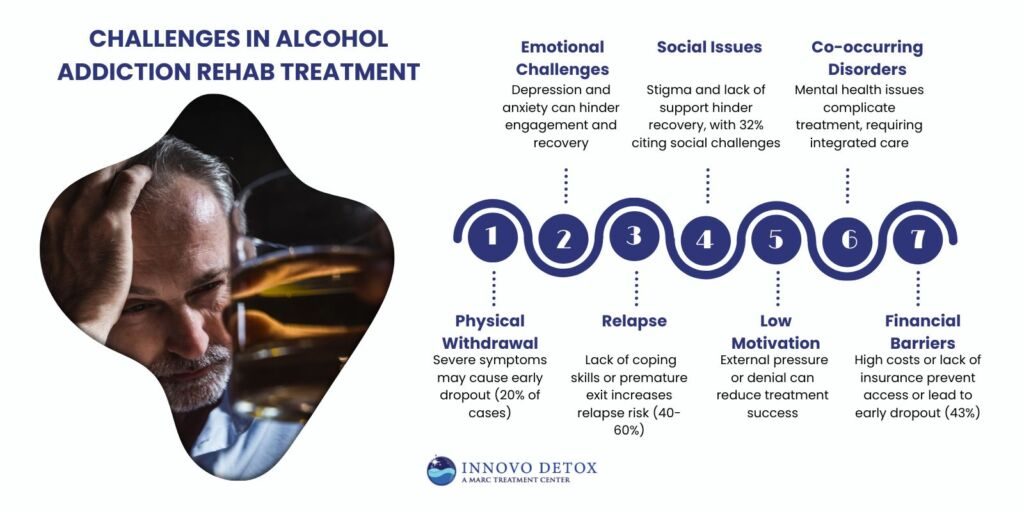
The challenges in alcohol addiction rehab treatment are as follows:
- Physical Withdrawal Symptoms: Withdrawal symptoms such as tremors, seizures, nausea, and insomnia appear within hours after the last drink. Severe cases include delirium tremens, which is life-threatening if unmanaged. These symptoms create a high risk of early dropout from rehab programs. According to the National Institute on Alcohol Abuse and Alcoholism in the publication “Alcohol Withdrawal Syndrome” (2021), unmanaged withdrawal contributes to 20% of premature treatment discontinuation cases.
- Emotional and Psychological Challenges:
Depression, anxiety, guilt, and trauma-related distress surface during rehab, especially in the absence of alcohol as a coping mechanism. Patients also experience emotional numbness or emotional instability as they readjust. Without adequate mental health support, these issues can lead to disengagement or self-isolation. - Relapse: Relapse is a common challenge and occurs due to exposure to triggers, lack of coping skills, or premature exit from treatment. It is not a sign of failure but rather an indication that additional support or treatment adjustments are needed. Structured aftercare programs are essential to prevent recurrence. According to the American Society of Addiction Medicine in “Treatment Outcomes for Alcohol Use Disorder” (2020), relapse occurs in 40–60% of patients, within the first year if aftercare is not maintained.
- Social Challenges: Rebuilding strained relationships, facing societal stigma, or returning to environments associated with drinking hinder recovery. Many individuals also face employment instability or financial issues due to prolonged alcohol use. These external pressures lead to emotional relapse or complete withdrawal from the program. SAMHSA’s National Survey on Drug Use and Health (2021) noted that 32% of dropouts cited a lack of social support as a major barrier to continued recovery.
- Low Treatment Motivation or Denial: Some individuals enter rehab due to external pressure—legal mandates, family insistence, or employer intervention—without personal readiness to change. Denial of the severity of addiction is common, leading to resistance or noncompliance with treatment activities. Without internal motivation, long-term success is limited.
- Co-occurring Disorders:
Many patients with alcohol use disorder also suffer from depression, anxiety, PTSD, or bipolar disorder. These conditions complicate treatment and increase the likelihood of relapse if not concurrently managed. Dual diagnosis treatment requires integrated care approaches involving both psychiatric and addiction professionals. NIDA’s Principles of Effective Treatment (2022) emphasizes that outcomes improve by 30–50% when co-occurring disorders are addressed in parallel. - Financial Barriers: High costs of inpatient rehab and lack of insurance make treatment inaccessible or cut it short. Even with government programs, hidden costs like transportation or medications strain limited budgets. As reported by SAMHSA in “Behavioral Health Barometer” (2021), 43% of individuals with alcohol use disorder cited affordability as the primary reason for not entering or completing rehab.
What Are the Benefits of Alcohol Addiction Rehab?
The benefits of alcohol addiction rehab are improved physical health, enhanced mental stability, and reduced risk of relapse. Through structured medical care, therapy, and support systems, rehab helps individuals restore brain and body function, rebuild relationships, and maintain long-term sobriety.
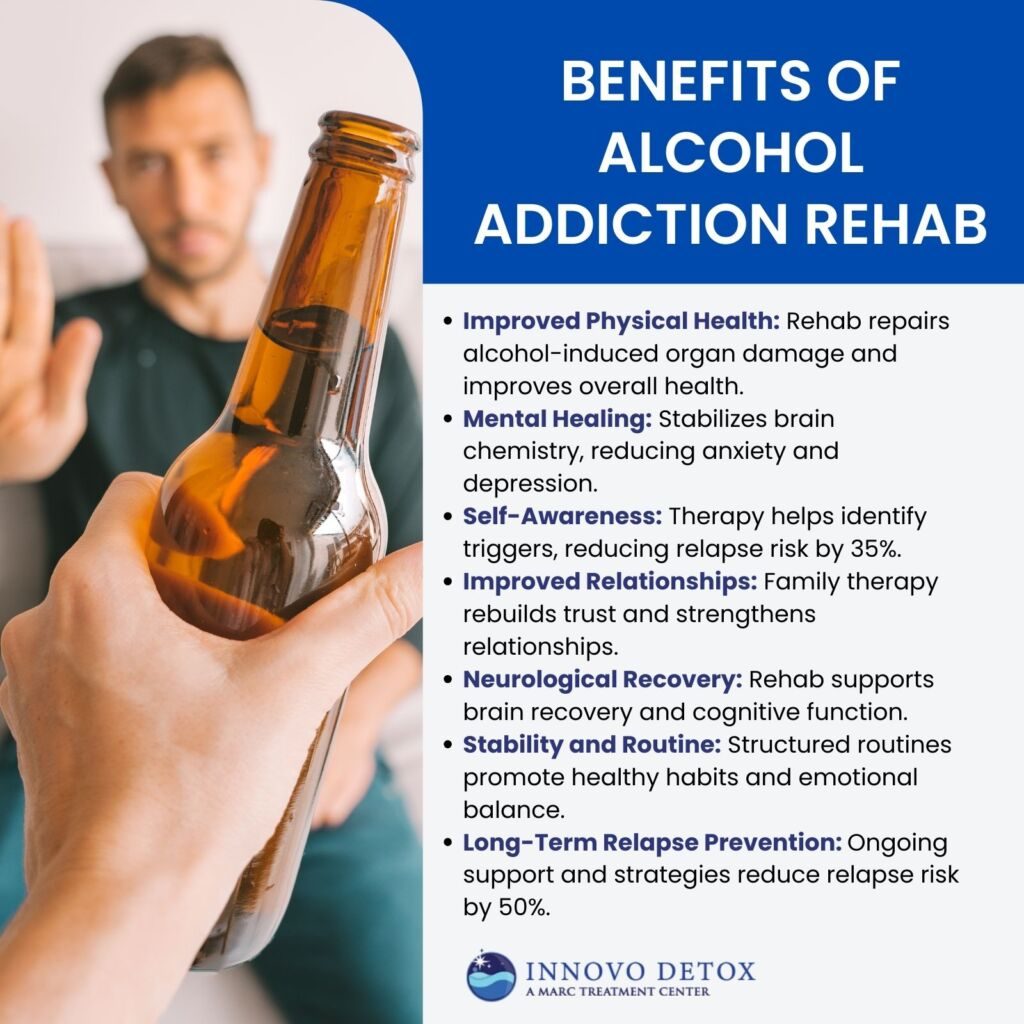
The benefits of alcohol addiction rehab are explained below:
- Improved Physical Health: Rehab programs help reverse alcohol-induced damage to vital organs such as the liver, heart, and gastrointestinal system. Supervised detox and medical management, reduced inflammation, stabilized vital signs, and supported immune system recovery. According to the National Institute on Alcohol Abuse and Alcoholism in “Alcohol’s Effects on the Body” (2021), sustained abstinence through rehab leads to measurable improvements in liver enzyme function and cardiovascular health within weeks.
- Mental Healing: Alcohol rehab supports psychological recovery by addressing underlying mental health conditions and restoring cognitive balance. Continuous abstinence allows the brain’s neurotransmitter systems, including dopamine and GABA, to stabilize, reducing anxiety, depression, and emotional dysregulation.
- Self-Awareness: Through therapy and counseling, individuals gain deeper insight into the root causes of their addiction and personal behavioral patterns. This awareness helps them recognize triggers, build emotional intelligence, and strengthen decision-making abilities. The American Psychological Association in “Psychotherapy for Addiction” (2021) reports that increased self-awareness during rehab is associated with a 35% decrease in early relapse rates.
- Improved Relationships: Rehab programs often include family therapy and communication workshops that rebuild trust and accountability within personal relationships. As alcohol use disorder often damages bonds with loved ones, structured interventions can repair emotional disconnect. According to ASAM’s Treatment Outcomes for Alcohol Use Disorder (2020), individuals who complete family-inclusive programs are twice as likely to maintain healthy social connections post-treatment.
- Neurological Recovery: Chronic alcohol use alters brain structures responsible for memory, judgment, and emotional regulation. Rehab enables neuroplasticity—the brain’s ability to form new neural connections—allowing partial reversal of alcohol-related damage. A neuroimaging study published in the Journal of Psychiatry and Neuroscience (2022) found that patients in long-term recovery showed improved grey matter density in the prefrontal cortex after six months of abstinence.
- Stability and Routine: Rehab introduces structured daily routines that promote healthy habits, discipline, and time management. These routines contribute to improved sleep, reduced stress, and emotional balance. The Substance Abuse and Mental Health Services Administration (SAMHSA, 2021) notes that patients with consistent routines during rehab are 40% more likely to transition successfully into independent living.
- Long-Term Relapse Prevention: Individuals in rehab gain access to relapse prevention strategies, ongoing therapy, and peer support that protect against future episodes of alcohol use. These interventions help maintain brain recovery while reinforcing coping mechanisms for high-risk situations. According to the National Institute on Drug Abuse in “Principles of Drug Addiction Treatment” (2022), comprehensive aftercare reduces relapse risk by over 50% in the first year after treatment.
What Factors Affect The Length of Alcohol Addiction Rehab?
The factors affecting the length of alcohol addiction rehab are addiction severity, presence of co-occurring disorders, and patient response to treatment. These elements determine whether a program lasts a few weeks or several months, as individuals with chronic relapse histories or mental health conditions often require extended care for sustained recovery.
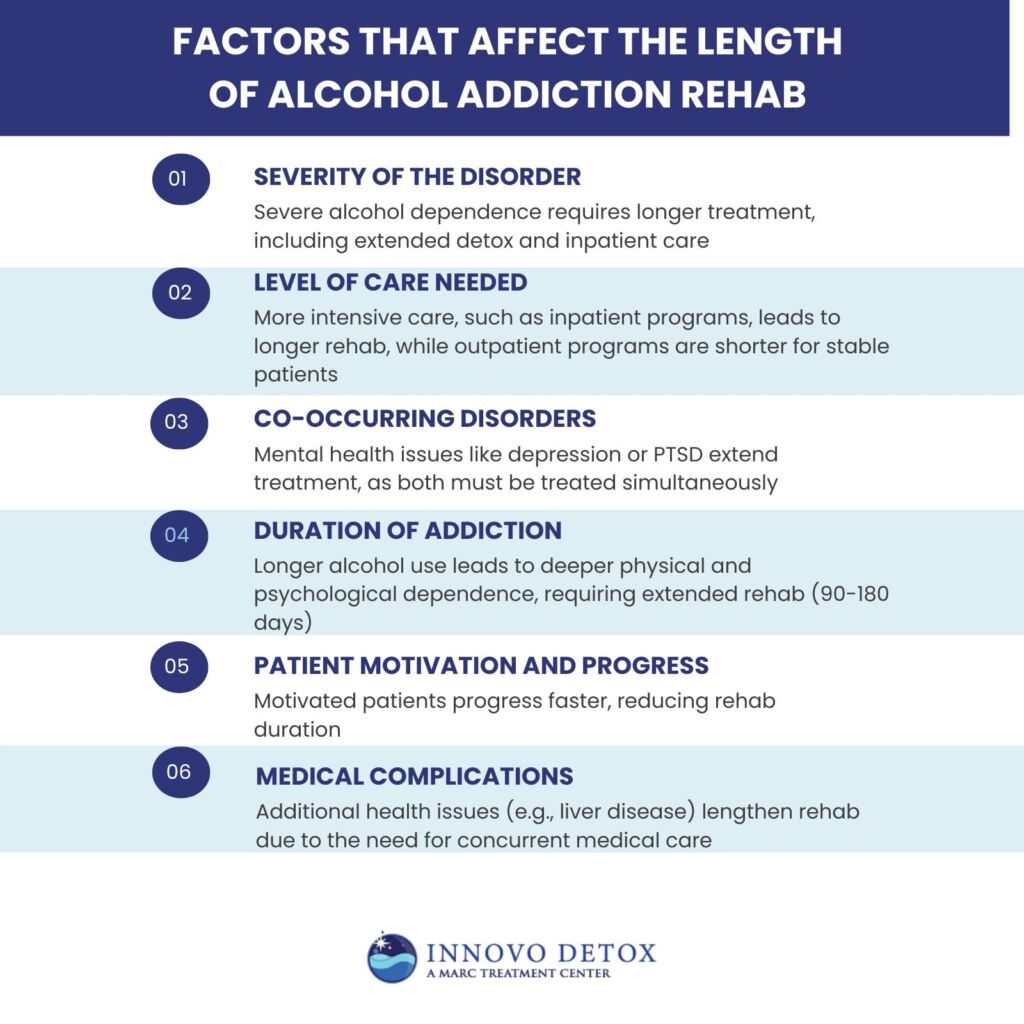
The factors affecting the length of alcohol addiction rehab are explained below:
Severity of the Disorder: The intensity of alcohol use disorder—measured by frequency, volume, and physical dependency—directly affects how long treatment lasts. Individuals with severe dependence need extended inpatient care and longer detox periods. According to the National Institute on Alcohol Abuse and Alcoholism in “Alcohol Use Disorder: A Comparison Between Mild, Moderate, and Severe AUD” (2021), severe cases are 2.5 times more likely to require 90+ days of rehab compared to mild cases.
Level of Care Needed: Patients requiring 24/7 medical monitoring, such as those with withdrawal complications or high relapse risk, enter inpatient or residential programs with longer timelines. Less intensive care, like outpatient programs, allows for shorter durations but is only suitable for stable patients. ASAM’s Criteria for Addiction Treatment Placement (2020) notes that the required level of care is based on physical, emotional, and environmental stability, which strongly influences program length.
Presence of Co-occurring Disorders: Co-occurring mental health conditions like depression, anxiety, PTSD, or bipolar disorder extend the duration of treatment due to the need for integrated dual diagnosis care. These disorders complicate progress, as both conditions must be addressed simultaneously to prevent relapse.
Duration of Addiction: The longer an individual has been drinking heavily, the more entrenched the physical dependence and psychological patterns become. Chronic users require prolonged therapy to unlearn habits and allow neurological recovery. NIDA’s Principles of Effective Treatment (2022) explain that patients with a decade or more of alcohol misuse respond better to long-term programs lasting 90 to 180 days.
Patient Motivation and Progress: Highly motivated individuals who actively engage in therapy may move through stages of recovery faster than those resistant to change. Progress is monitored through behavioral improvements, therapy participation, and physical health markers.
Medical Complications: Conditions like liver disease, cardiovascular problems, or cognitive impairments caused by long-term alcohol use slow recovery and require concurrent medical care. This prolongs the duration of rehab to ensure stability before transition to lower levels of care.
What Is the Cost of Alcohol Addiction Rehab Programs?
The cost of alcohol addiction rehab ranges from $1,500 for outpatient programs to over $60,000 for high-end inpatient treatment. The cost of rehab programs includes detox services, residential or outpatient care, medications, therapy sessions, and aftercare support.
Prices vary based on treatment duration, facility type, location, and whether specialized services—such as dual diagnosis care or luxury amenities—are included. According to the Substance Abuse and Mental Health Services Administration in its 2021 Treatment Episode Data Set, inpatient rehab averages $12,000 to $25,000 for a 30-day stay, while outpatient rehab costs between $5,000 and $10,000 per month, depending on intensity and frequency.
How to Choose an Alcohol Addiction Rehab for Fast Recovery?
To choose an alcohol addiction rehab for fast recovery, focus on programs that offer personalized treatment plans, certified staff, and evidence-based therapies. Facilities with a strong aftercare system, dual diagnosis treatment, and low patient-to-counselor ratios are more likely to deliver faster, more sustainable outcomes.
According to the National Institute on Drug Abuse in “Principles of Effective Treatment” (2022), matching individual needs with specific program features significantly increases the speed and success of recovery.
How Long Does Alcohol Addiction Rehab Take for Recovery?
It takes alcohol addiction rehab between 30 and 180 days for recovery, depending on the severity of the addiction and the individual’s response to treatment. Short-term programs (30–45 days) focus on detox and initial therapy, while long-term programs (90+ days) offer deeper behavioral change and relapse prevention.
According to the National Institute on Drug Abuse in “Principles of Drug Addiction Treatment” (2022), programs lasting 90 days or more are associated with the highest rates of sustained recovery.
Does Insurance Cover Alcohol Addiction Rehab?
Yes. Most health insurance plans—both private and government-sponsored—cover alcohol addiction rehab, at least partially. Coverage includes detox, outpatient or inpatient care, medications, and therapy, depending on the policy and medical necessity.
Under the Affordable Care Act, substance use disorder treatment is classified as an essential health benefit, requiring insurers to provide coverage. However, the extent of coverage, co-pays, and pre-authorization requirements vary, so individuals should verify details directly with their insurance provider.
Are There Free Alcohol Addiction Rehabilitation Options Available?
Yes. Free alcohol addiction rehabilitation options are available through government-funded programs, nonprofit organizations, and public health clinics. These programs often provide essential services such as detox, outpatient counseling, and peer support at no cost or on a sliding scale based on income.
According to the Substance Abuse and Mental Health Services Administration in its National Survey of Substance Abuse Treatment Services (2021), over 50% of U.S. rehab facilities offer some form of free or low-cost treatment.
Local health departments, faith-based groups, and community outreach centers also frequently collaborate to provide no-cost rehab for low-income individuals.
Is Alcohol Addiction Rehab Confidential?
Yes, Alcohol addiction rehab is confidential and protected under federal laws such as the Health Insurance Portability and Accountability Act (HIPAA) and 42 CFR Part 2. These laws ensure that personal health information, treatment records, and participation in rehab cannot be disclosed without the patient’s written consent.
According to the Substance Abuse and Mental Health Services Administration in its guidance on Confidentiality Regulations (2021), strict privacy standards apply to all licensed treatment providers to protect patients from stigma and discrimination.
Does Your Brain Change During Alcohol Rehab Treatment?
Yes, the brain changes during alcohol rehab as it begins to heal from prolonged exposure to alcohol’s neurotoxic effects. Chronic alcohol use disrupts neurotransmitter systems such as dopamine and GABA, impairing memory, impulse control, and emotional regulation.
According to a study by Lisa M. J. Bauer titled “Neuroplasticity and Recovery from Alcohol Use Disorder,” published in the Journal of Psychiatry and Neuroscience (2022), grey matter volume in critical brain regions like the prefrontal cortex improves after 30 days of abstinence, with continued structural recovery observed over six months.
How Does Alcohol Addiction Rehab Help in Preventing Relapse?
Alcohol addiction rehab helps prevent relapse by building coping mechanisms, continuing therapy, creating a lifestyle, and providing support. Patients also help alcohol relapse rehab control by applying structured coping strategies, engaging in ongoing therapy, and making intentional lifestyle adjustments.
Ways alcohol addiction rehab helps in preventing relapse include the following:
- Building coping mechanisms: Individuals learn to manage stress, cravings, and high-risk triggers using skills taught in Cognitive Behavioral Therapy (CBT) and relapse prevention training. These techniques reduce emotional reactivity and strengthen decision-making. According to the National Institute on Drug Abuse in “Relapse Prevention and Long-Term Recovery” (2022), patients using structured coping strategies are 45% less likely to relapse in the first year.
- Continuing therapy: Ongoing counseling—either individual or group-based—reinforces progress and addresses unresolved emotional or behavioral challenges. Therapy helps maintain motivation, monitors warning signs, and provides accountability.
- Maintaining peer support: Participation in support groups like Alcoholics Anonymous (AA) or SMART Recovery fosters accountability and community. These environments allow individuals to share experiences and receive encouragement during difficult periods
- Creating lifestyle structure: Establishing healthy routines, including regular sleep, exercise, and nutrition, supports mental clarity and emotional stability. A structured lifestyle reduces idle time and limits exposure to relapse triggers. SAMHSA’s Recovery Support Strategic Initiative (2021) emphasizes that routine and wellness habits are key predictors of sustained recovery.
- Avoiding high-risk environments: Patients are advised to avoid people, places, and situations associated with past drinking. Environmental control reduces temptations and reinforces sobriety-friendly settings. According to the American Society of Addiction Medicine in “Environmental Risk Factors for Relapse” (2020), patients who proactively modify their surroundings report 30% fewer relapse incidents.
How Can Patients Prevent Relapse After Alcohol Addiction Rehabilitation?
Patients can prevent relapse after rehab by continuing therapy, practicing healthy coping skills, and building a strong support system. Relapse is the return to alcohol use after a period of abstinence, triggered by stress, emotional distress, or exposure to high-risk environments.
It is a major concern because, according to the National Institute on Drug Abuse in “Treatment and Recovery” (2022), 40–60% of people in recovery relapse within the first year if they lack structured follow-up care.
Effective relapse prevention strategies include participating in ongoing behavioral therapy, such as Cognitive Behavioral Therapy (CBT), which helps patients identify triggers and manage cravings. Support groups like Alcoholics Anonymous (AA) or SMART Recovery offer peer accountability and emotional reinforcement during challenging periods.
The Cochrane Database of Systematic Reviews (2020) confirms that individuals actively engaged in peer-led programs have a 23% higher chance of maintaining long-term sobriety compared to those without community support.