Alcohol relapse represents part of the chronic cycle of alcohol use disorder and signals a need for a recovery plan adjustment. According to a study by the National Institute on Alcohol Abuse and Alcoholism (NIAAA) titled “Alcohol Use Disorder: A Chronic Relapsing Condition,” 2022, approximately 40% to 60% of individuals relapse within the first year following treatment.
The stages of alcohol relapse are emotional relapse, mental relapse, and physical relapse. Emotional relapse includes emotional suppression and poor self-care.
Causes of alcohol relapse include exposure to high-risk environments, unresolved emotional distress, untreated co-occurring mental health conditions, social pressure, and lack of structured support systems.
Signs of alcohol relapse involve emotional instability, withdrawal from support systems, cognitive rationalizations for drinking, and deteriorating self-care routines. Early detection of these signs enables intervention strategies that reduce the progression of full relapse.
Treatment for alcohol relapse involves detoxification if medically necessary, behavioral therapy adjustments, medication-assisted treatment, re-engagement with peer support groups, and structured relapse prevention planning. Individualized care approaches remain important, focusing on the severity of the relapse and the individual’s evolving recovery needs.
What Is Alcohol Relapse
Alcohol relapse refers to the return to drinking after a period of abstinence. It is a common aspect of the recovery process for individuals with Alcohol Use Disorder (AUD). Relapse does not signal failure but is a recurring challenge in the relapse cycle.
According to a study by the National Institute on Alcohol Abuse and Alcoholism (NIAAA) titled “Alcohol Use Disorder and Alcohol Treatment,” 2023, approximately 90% of individuals who have struggled with alcohol addiction experience at least one relapse during their lifetime.
Individuals with AUD experience a return to drinking as part of the chronic illness model, similar to other long-term conditions such as diabetes. Unlike a lapse, which is a brief return to drinking, relapse involves a full return to problematic drinking patterns and is part of the chronic nature of addiction.
Treatment adjustment is necessary following a relapse, as it highlights the ongoing nature of managing alcohol use disorder.
What Are The Different Types Of Relapse?
The different types of relapse are slips, lapses, and full relapse. Each type represents varying degrees of return to alcohol use, ranging from minor setbacks to a complete return to previous drinking behaviors.
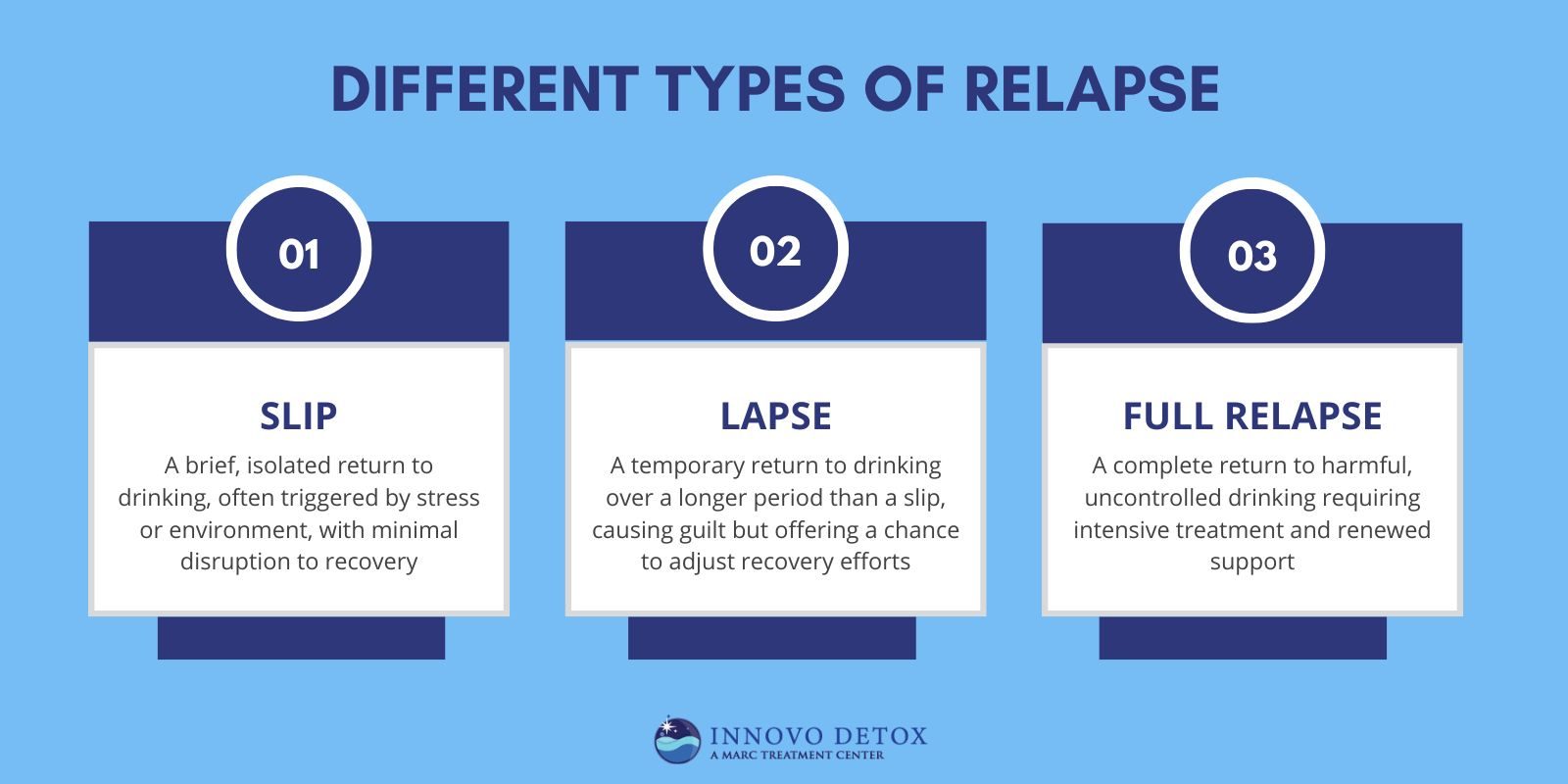
The different types of relapse are explained below:
- Slip: A slip is a brief return to drinking, accidental or triggered by a specific situation. It doesn’t have consequences and is viewed as a minor detour in the recovery process. A slip happens when an individual faces intense stress or is exposed to old drinking environments, but it doesn’t fully disrupt the progress made in treatment.
- Lapse: A lapse is a longer return to drinking compared to a slip. It involves a more extended period of alcohol consumption, but does not necessarily represent a full return to alcohol use disorder. While a lapse leads to feelings of guilt or self-blame, it also serves as an opportunity for reflection and adjustment in treatment.
- Full relapse: Full relapse is the most serious type, involving a return to the harmful drinking patterns associated with Alcohol Use Disorder. Unlike slips and lapses, it is a return to uncontrolled drinking, resulting in a setback in the recovery process. Individuals who experience relapse need more intensive treatment and long-term support to re-establish their recovery journey.
How Common Is Alcohol Relapse After Treatment?
Alcohol relapse is a very common occurrence among individuals after treatment for Alcohol Use Disorder (AUD). According to the National Institute on Alcohol Abuse and Alcoholism (NIAAA), titled “Project MATCH Main Findings,” 2023, up to 80% of relapses occur within the first year of recovery.
Relapse statistics show that the first year after treatment is particularly challenging. Sustained support and treatment adjustment are important during the early stages of recovery.
Experiencing a relapse does not signify failure; rather, it indicates the need for modifications in the treatment approach.
What Are The Stages Of Alcohol Relapse?
The stages of alcohol relapse are emotional relapse, mental relapse, and physical relapse. These stages represent different phases of the recovery process, during which individuals gradually revert to old drinking patterns.
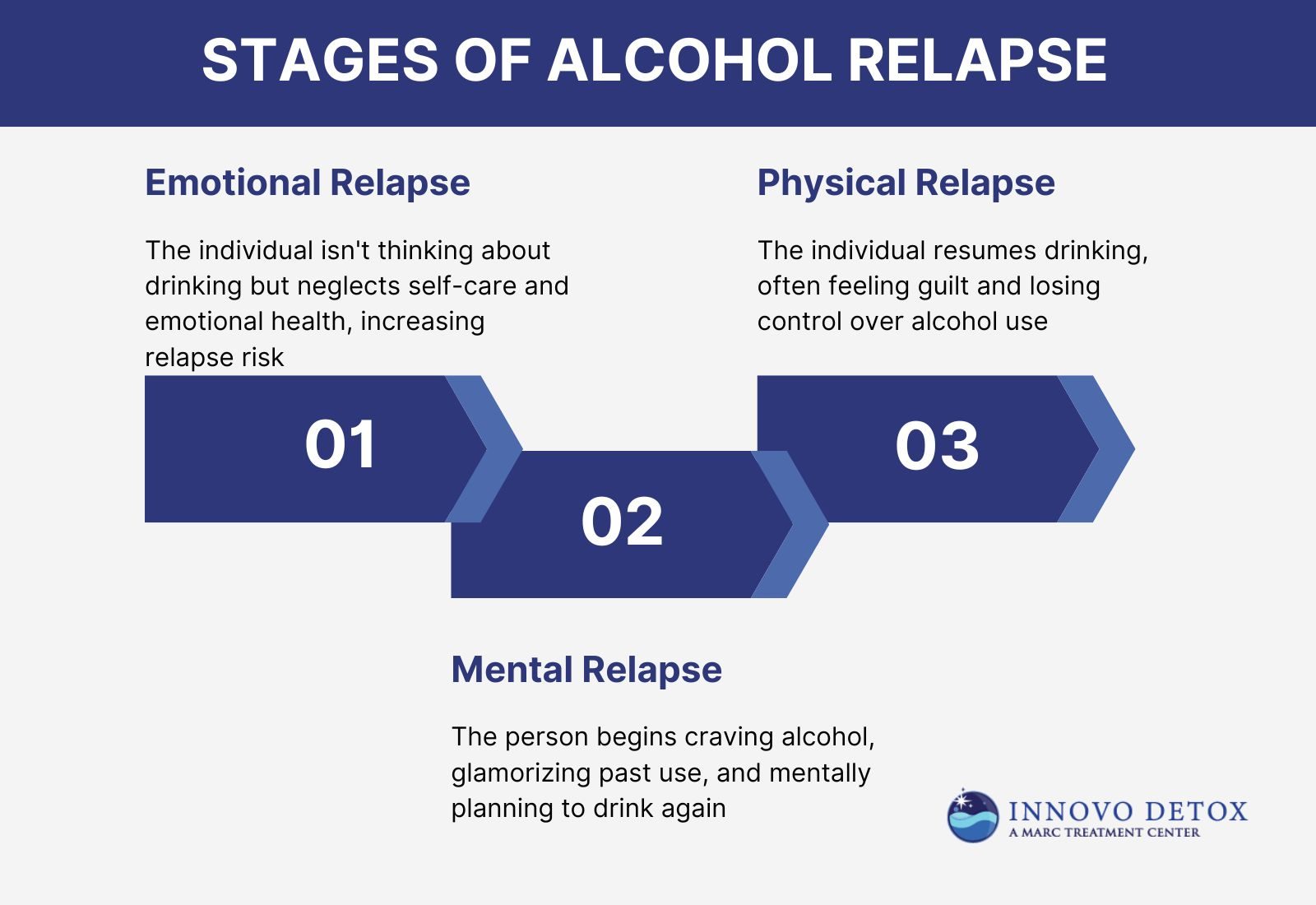
Below are the stages of alcohol relapse:
1. Emotional Relapse
Emotional relapse is the stage where an individual is not actively thinking about drinking, but their behaviors and emotions set the stage for a future relapse. At this point, the person does not feel the immediate urge to drink, but their emotional state and neglect of self-care create vulnerability to relapse.
Below are signs that individuals experience during an emotional relapse:
- Suppressed emotions or mood instability, where the individual bottles up feelings, leading to emotional overload.
- Anxiety, anger, or irritability result from unresolved emotional issues and stress.
- Neglecting self-care or healthy routines, such as failing to exercise, eat properly, or get enough sleep.
- Sleep disturbances or poor eating habits, both of which negatively affect mental health and overall well-being.
These emotional and behavioral changes increase relapse vulnerability, even in the absence of cravings. Emotional instability leads to poor decision-making and a weakened commitment to relapse prevention strategies, particularly in early recovery.
Mental Relapse
Mental relapse is the stage where an individual begins to struggle internally between the desire to stay sober and the urge to drink again. It is marked by romanticizing past use and fantasizing about alcohol.
According to a study by the National Institute on Alcohol Abuse and Alcoholism (NIAAA) titled “Project MATCH Main Findings,” 2023, individuals in the mental relapse stage experience cravings and begin to plan for relapse, indicating a breakdown in coping strategies.
Below are signs that individuals experience during a mental relapse:
- Thinking about drinking or glamorizing past alcohol use.
- Lying or rationalizing the idea of “just one drink.
- Associating with people or places linked to past drinking.
- Planning or creating opportunities to drink.
Physical Relapse
Physical relapse is the stage where the individual actually consumes alcohol, completing the relapse process. This stage represents a return to active drinking, even if it starts with a single use. Physical relapse is the most visible stage, but it is preceded by emotional relapse and mental relapse stages.
Physical relapse doesn’t occur suddenly; it is a culmination of internal and external struggles that build up over time. Immediate treatment, re-engagement, and professional help are important in preventing further harm and supporting the individual through this phase of recovery.
Below are signs that individuals experience during a physical relapse:
- Drinking alcohol after a period of abstinence.
- Hiding or minimizing alcohol use due to guilt or fear of consequences.
- Loss of control or escalation in drinking behavior, where an individual drinks more than intended.
- Experiencing guilt or shame after drinking leads to further emotional turmoil.
How Long Do The Stages Of Alcohol Relapse Last?
The stages of alcohol relapse last for varying lengths of time, depending on factors such as personal history, treatment engagement, and the presence of support systems.
On average, emotional relapse persists for days or even weeks before escalating into the next phase, while mental relapse lasts a shorter period but involves a constant internal struggle between sobriety and drinking.
Physical relapse tends to occur when the individual has passed through both emotional relapse and mental relapse, and it marks the return to active drinking. However, some individuals move quickly through these stages, while others remain in one stage, particularly emotional relapse, without progressing to the next.
Early intervention during emotional or mental relapse is important because these stages are still reversible. Identifying relapse warning signs early on and engaging in relapse prevention strategies prevent a full return to drinking and help maintain the recovery process.
What Are The Causes Of Alcohol Relapse After Recovery?
The causes of alcohol relapse after recovery are psychological, social, environmental, and biological factors. These interconnected causes increase the vulnerability to alcohol relapse, and each factor makes long-term sobriety more challenging.
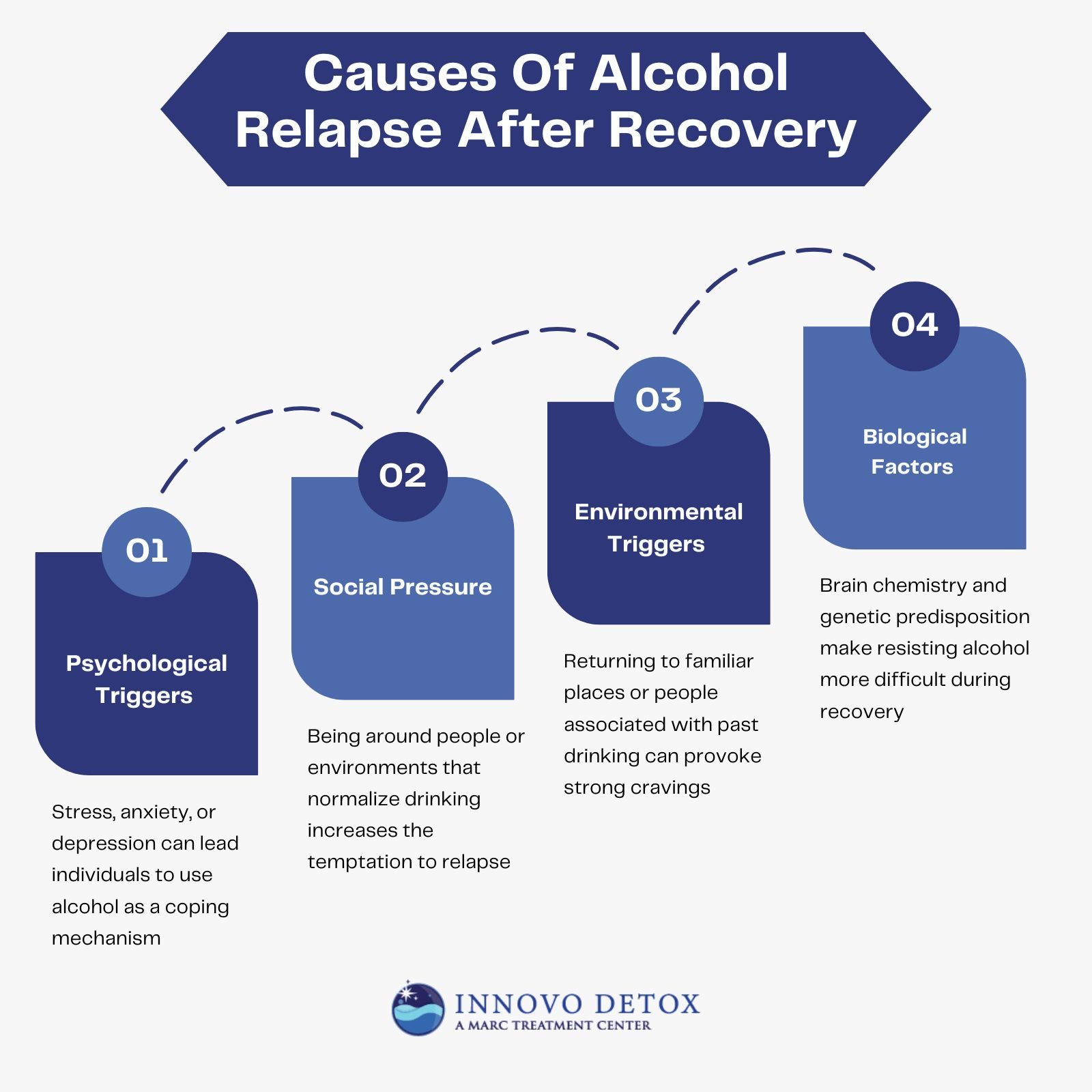
Below are the causes of alcohol relapse after recovery:
- Psychological triggers: Psychological triggers, such as stress, anxiety, and depression, are major causes of alcohol relapse. Emotional distress leads individuals to use alcohol as a way of coping. This increases the risk of relapse, especially if mental health issues are not addressed during treatment.
- Social pressure: Social pressure is a cause of relapse, particularly when individuals are in environments that encourage or normalize drinking. Being around people or in places where alcohol consumption is common increases cravings. These environmental triggers make it more challenging to adhere to recovery goals.
- Environmental triggers: Environmental triggers, such as returning to old drinking spots or being around past drinking companions, increase the likelihood of relapse. These familiar environments prompt strong cravings for alcohol. Trauma and relapse are tied to these environmental cues, making it important to avoid high-risk situations.
- Biological factors: Biological factors, including brain chemistry and addiction, play an important role in relapse. Changes in brain circuits related to reward and stress make it difficult for individuals to resist alcohol consumption. These biological triggers heighten the risk of relapse, especially for those with a genetic predisposition to addiction.
According to the National Institute on Alcohol Abuse and Alcoholism (NIAAA), titled “Alcohol Use Disorder and Common Co-occurring Conditions,” 2023, between 50% and 60% of the vulnerability to AUD is inherited, influenced by various genes affecting alcohol metabolism, stress responses, and reward pathways.
What Are The Risks Of Alcohol Relapse Among Men, Women, Veterans, And Professional Groups?
The risks of alcohol relapse among men, women, veterans, and professional groups vary due to a range of psychological, social, environmental, and biological factors. A single factor does not cause relapse; rather, it results from the accumulation of multiple risk factors over time.
Veterans are at an increased risk of relapse due to co-occurring mental health disorders, such as post-traumatic stress disorder (PTSD) and depression. These conditions, combined with trauma exposure and maladaptive coping mechanisms, make relapse more likely.
Women experience relapse due to emotional triggers like marital stress, anxiety, and depression, which require treatment approaches that address these gender-specific concerns.
In contrast, men’s relapse risk is influenced by social environments and positive emotional states, such as celebratory occasions, necessitating strategies that account for social influences.
Adolescents in recovery are particularly vulnerable to relapse due to peer pressure and a lack of developed coping skills. Their struggle to manage social stressors shows the need for age-appropriate interventions.
According to a study by Yifrah Kaminer et al, titled “Efficacy of outpatient aftercare for adolescents with alcohol use disorders” published in the Journal of the American Academy of Child & Adolescent Psychiatry (2008), relapse rates for adolescents treated for alcohol use disorders (AUDs) amount to approximately 60% at 3 to 6 months after treatment completion.
Elderly individuals with alcohol use disorder (AUD) also face relapse risks, driven by social isolation, depression, or unresolved trauma, which require ongoing support in their recovery journey.
College students are at risk due to academic stress, peer influence, and social drinking environments, necessitating campus-based support systems.
Healthcare professionals, burdened by work stress and personal challenges, face relapse risks that demand specialized care and monitoring, while pilots, despite having a relatively lower relapse rate, face heightened risks due to the severe consequences of relapse in their profession.
Does Brain Chemistry Play A Role In Alcohol Relapse?
Yes, brain chemistry plays a role in alcohol relapse due to neurochemical and structural changes that occur as a result of long-term alcohol use disorder (AUD). Chronic alcohol use leads to alterations in the dopamine pathways, which are important to the brain’s reward system.
Over time, alcohol use changes how the brain responds to rewards, reducing reward sensitivity and motivation to engage in natural, healthy pleasures. This alteration in the brain’s reward system enhances the likelihood of alcohol cravings and relapse triggers, even after treatment.
According to a study by Kumar et al. titled “Neurochemical mechanisms of alcohol withdrawal,” published in the National Institutes of Health’s PubMed Central (2019), chronic alcohol exposure induces neuroadaptive changes in GABAergic transmission and glutamate signaling. These alterations contribute to the neurochemical imbalances observed during alcohol withdrawal and relapse.
Even after treatment, the long-lasting neurological changes caused by alcohol use disorder make it challenging to maintain long-term sobriety.
What Are The Signs Of Alcohol Relapse
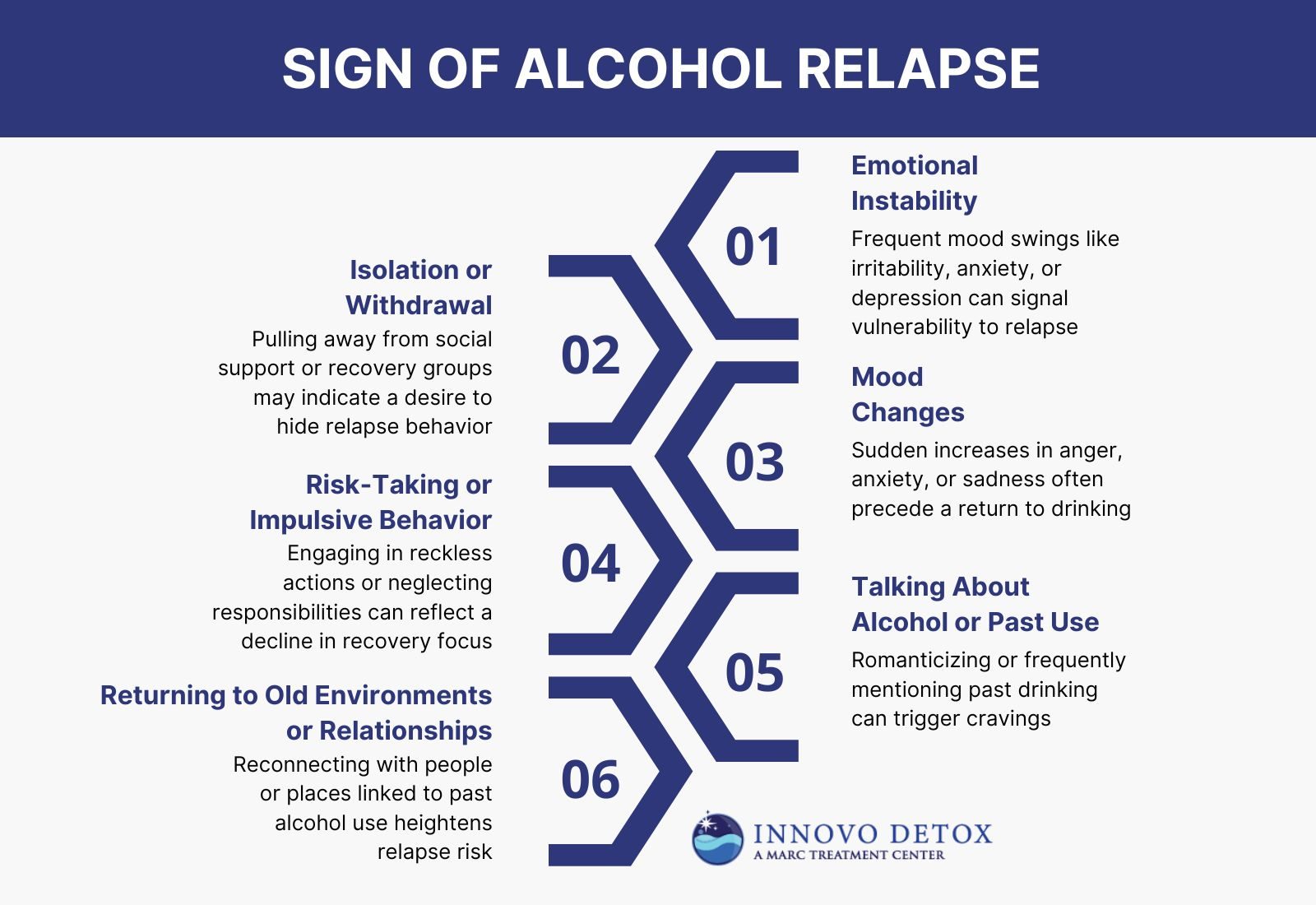
The signs of alcohol relapse include emotional instability, isolation or withdrawal, mood changes (anxiety, anger, depression), risk-taking or impulsive behavior, talking about alcohol or past use, returning to old environments or relationships tied to drinking.
According to a study by the National Institute on Alcohol Abuse and Alcoholism (NIAAA) in 2023, Cognitive distortions, such as rationalizing drinking or minimizing previous harm caused by alcohol, occur in 48% of relapse cases within two weeks prior to drinking.
Below are the signs of alcohol relapse:
- Emotional Instability: Emotional instability during recovery involves fluctuating moods such as irritability, anxiety, and depression. These emotional shifts are common as individuals struggle to adjust to a life without alcohol.
- Isolation or Withdrawal: Isolation from social circles and support groups is a common sign of relapse. This withdrawal stems from feelings of shame or the desire to drink without judgment.
- Mood Changes: Mood changes, including heightened anxiety, anger, or depression, signal impending relapse. These mood shifts are triggered by stress or unresolved emotional issues.
- Risk-Taking or Impulsive Behavior: Risk-taking or impulsive behavior, such as engaging in unsafe activities or neglecting responsibilities, is a sign of relapse.
- Talking About Alcohol or Past Use: Frequently talking about alcohol or idealizing past drinking behaviors is a major relapse warning sign. This behavior normalizes drinking and triggers cravings for alcohol.
- Returning to Old Environments or Relationships Tied to Drinking: Returning to places or people associated with alcohol use is a red flag for relapse. Familiar settings trigger urges to drink, especially if those environments hold memories of alcohol consumption.
What Are The Early Warning Signs Of Alcohol Relapse?
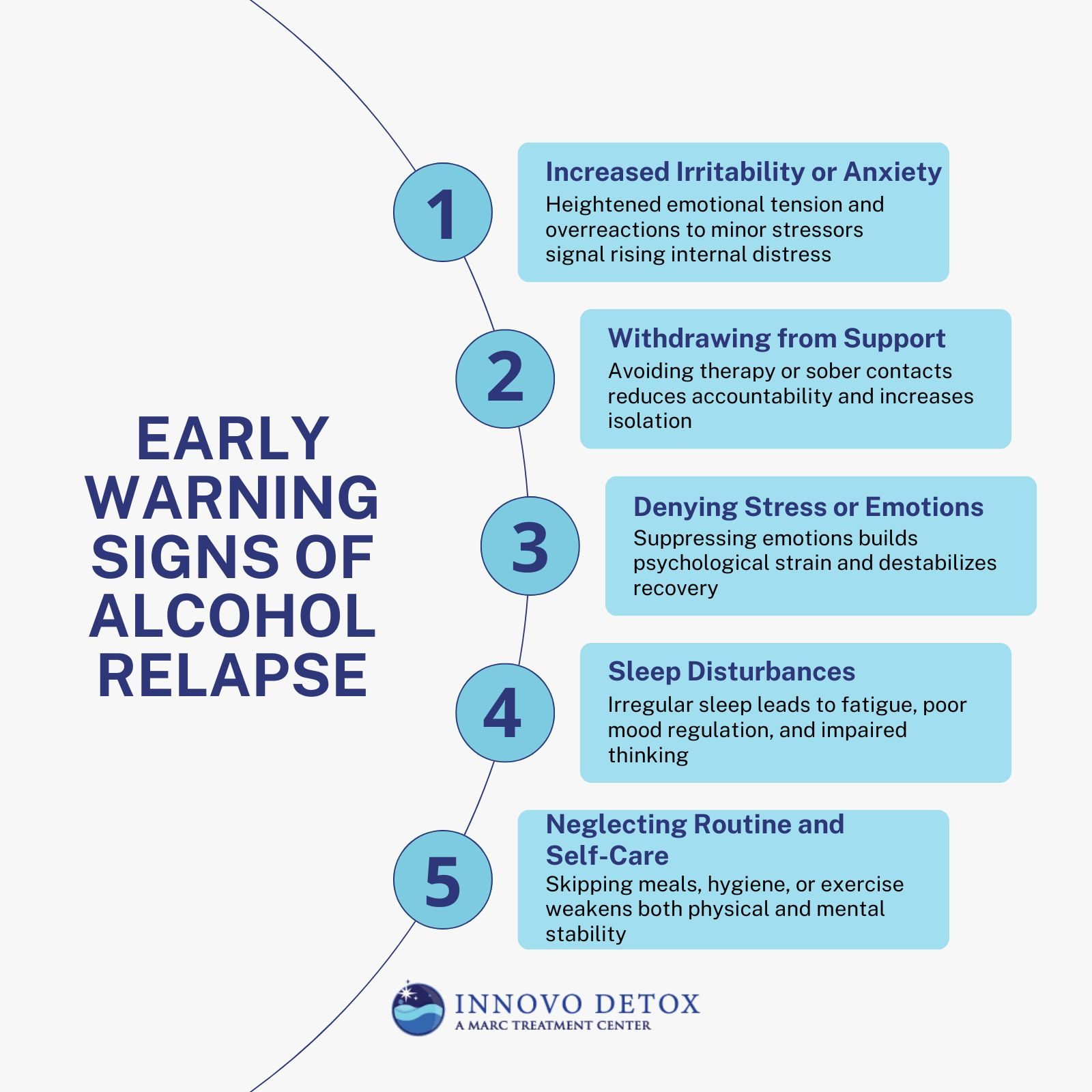
The early warning signs of alcohol relapse include emotional disruptions, behavioral withdrawal, and cognitive distortions that precede a full relapse.
According to a study by the National Institute on Drug Abuse (NIDA) titled “Preventing Drug and Alcohol Relapse: Signs and Strategies,” 2022, 60% of relapse events are preceded by identifiable early signs within 30 days before relapse.
The early warning signs of alcohol relapse are:
- Increased irritability, restlessness, or anxiety: Emotional tension builds without a clear cause, affecting mood and reactions. Small triggers cause exaggerated frustration or sadness.
- Withdrawing from social support or recovery meetings: Individuals stop attending therapy, meetings, or avoid sober friends. Isolation replaces healthy interaction and accountability.
- Denying stress or suppressing emotions: Stress accumulates internally while the person insists nothing is wrong. Unexpressed emotions cause psychological strain and instability.
- Sleeping too much or too little: Sleep patterns become irregular, leading to exhaustion or insomnia. Lack of restorative sleep damages emotional control and cognitive sharpness.
- Loss of routine, skipping meals, or neglecting self-care: Daily structures such as meals, hygiene, and exercise are abandoned. Disruption in routine weakens physical health and psychological balance.
How Is Alcohol Relapse Treated?
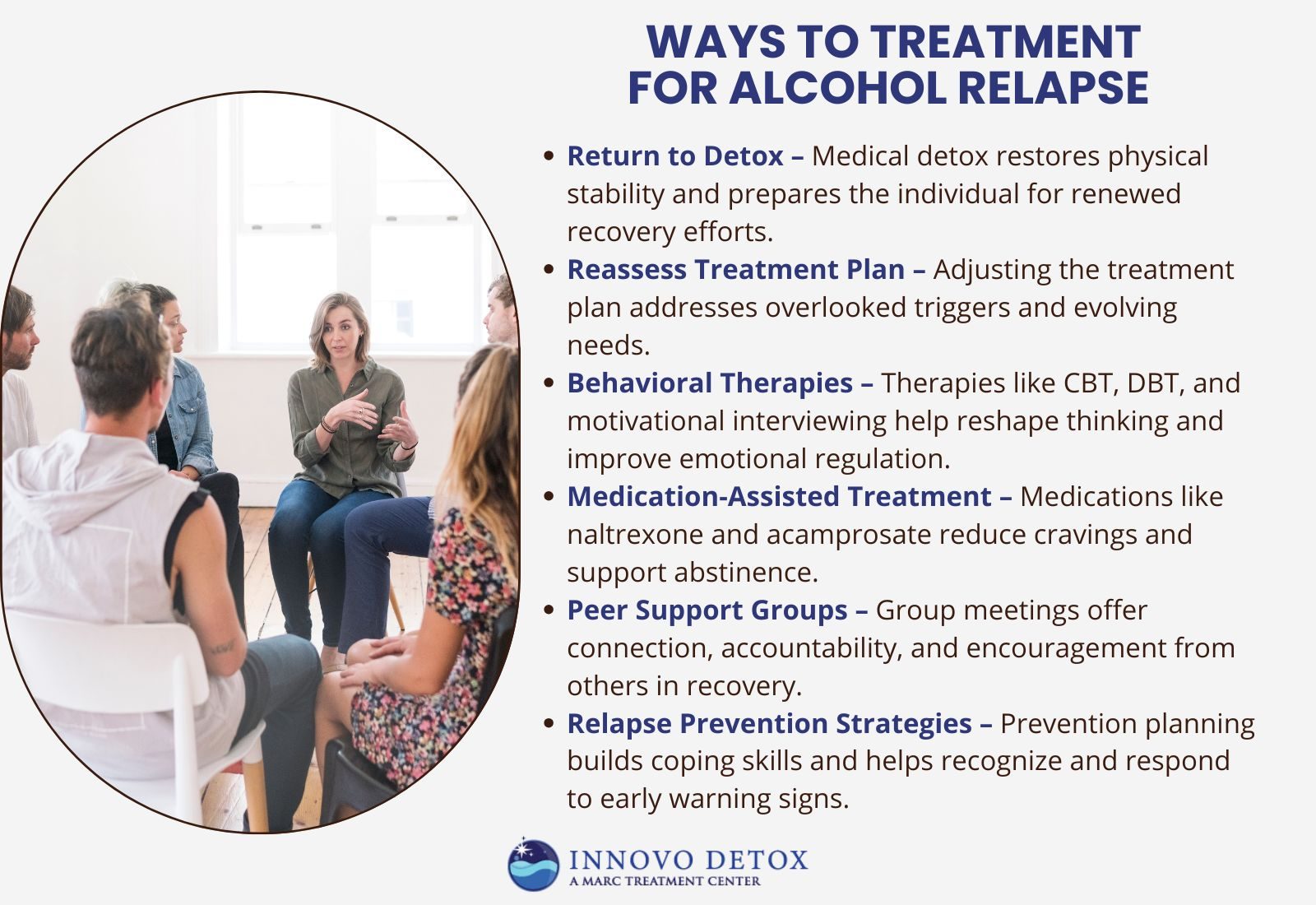
Alcohol relapse is treated by detox or medical stabilization, behavioral therapies, medication-assisted treatment, peer support engagement, and relapse prevention strategies. Relapse does not signal treatment failure but instead indicates the need for a revised treatment plan and a thorough recovery plan adjustment.
Alcohol addiction treatment focuses on realigning the recovery process based on the severity of the relapse and the current stage of recovery. According to a study by the National Institute on Alcohol Abuse and Alcoholism (NIAAA), modifying treatment plans after relapse increases long-term recovery success rates by 58%.
Below are ways to treatment for alcohol relapse:
- Return to detox or medical stabilization: Detox after relapse restores physical stability if withdrawal symptoms are present. Medical supervision prevents complications during the stabilization process. Early detox intervention strengthens recovery readiness.
- Reassessment and modification of current treatment plan: A revised treatment plan identifies and addresses missed triggers or psychological shifts. Recovery strategies are adapted to match the individual’s current needs. This adjustment enhances the relevance and effectiveness of treatment.
- Behavioral therapies: CBT for relapse addresses distorted thinking that supports drinking behaviors. DBT builds emotional regulation skills to manage distress. Motivational interviewing strengthens the commitment to change.
- Medication-assisted treatment: Medication-assisted treatment reduces cravings and stabilizes neurochemical imbalances. Naltrexone blocks the euphoric effects of alcohol, while acamprosate maintains abstinence. Both options support biological recovery alongside therapy.
- Increased engagement with peer support groups: Peer support, like AA and SMART Recovery, improves accountability and reduces isolation. Meetings provide structured emotional and practical support for recovery. Participation fosters sober social networks, which are critical for relapse prevention.
- Incorporation of relapse prevention strategies: Relapse prevention methods teach recognition of early warning signs. Skills development improves coping during high-risk situations. Structured prevention planning protects long-term sobriety.
Is Inpatient Or Outpatient Alcohol Treatment Better For Alcohol Relapse
Inpatient alcohol treatment is better than outpatient treatment for severe alcohol relapse cases. Inpatient programs provide 24-hour supervision, structured behavioral therapies, and medical support important for stabilizing individuals after severe relapse.
According to a study by the National Institute on Drug Abuse (NIDA), inpatient treatment improves recovery outcomes compared to outpatient care when managing serious relapse events.
Inpatient settings also offer controlled environments that minimize triggers and prevent immediate return to alcohol use.
Outpatient treatment remains effective for individuals facing mild to moderate relapse who have stable living conditions and strong external support. Intensive outpatient programs (IOPs) allow patients to maintain daily responsibilities while receiving structured relapse prevention therapies.
The choice between inpatient and outpatient care depends on relapse severity, medical needs, and readiness for structured treatment engagement. A full reassessment after relapse ensures the selection of the correct level of care within the revised treatment plan.
How Can You Prevent Alcohol Relapse Long-Term?
You can prevent alcohol relapse long-term by creating structured relapse prevention plans, building daily routines that support health, using cognitive-behavioral strategies, participating in support groups, practicing stress management, maintaining therapy, and choosing healthy relationships. Long-term relapse prevention requires ongoing engagement, not just initial treatment completion.

The long-term alcohol relapse prevention strategies include:
- Structured relapse prevention plans: A structured recovery plan prepares individuals to handle high-risk situations before they escalate. These plans include identifying triggers, creating emergency contacts, and defining coping responses.
- Daily routines that support mental and physical health: Consistent daily habits stabilize mood, energy levels, and sleep patterns. Morning rituals, regular exercise, and balanced meals all contribute to emotional stability.
- Cognitive-behavioral strategies to manage cravings and triggers: CBT for alcohol use teaches recognition and reshaping of distorted thoughts. Individuals learn how cravings originate and how to counter them with healthier beliefs.
- Participation in support groups or community recovery programs: Engaging with peer groups offers emotional validation and accountability. Support groups like AA, SMART Recovery, and Refuge Recovery strengthen motivation through community ties.
- Stress management and emotional regulation techniques: Healthy coping skills such as mindfulness, deep breathing, and journaling protect emotional balance. Stress management reduces impulsive reactions that trigger relapse cycles.
- Therapy or counseling continuity: Continued therapy addresses underlying psychological patterns that resurface under stress. Regular counseling sessions ensure that unresolved issues do not threaten recovery progress.
- Healthy relationships and lifestyle choices: Surrounding oneself with sober, supportive relationships strengthens the recovery network. Positive environments limit exposure to alcohol-related risks.
How To Find AA Meetings For Alcohol Relapse
To find AA meetings for alcohol relapse, use local AA directories, verified online platforms, treatment centers, hospital referral systems, therapists, and AA helplines. Most regions offer multiple pathways for finding meetings, both in-person and online, tailored to varying recovery needs and schedules.
Ways to find AA meetings are explained below:
- Local AA Directories: City and regional AA offices maintain updated lists of daily meeting locations. Many directories categorize meetings by focus, such as relapse recovery or support for beginners.
- Verified Online Platforms: National websites, such as AA.org, list searchable meeting databases. These platforms allow filtering by meeting type, time, and format (in-person or virtual).
- Contacting Treatment Centers: Rehabilitation facilities and outpatient clinics maintain referral lists for nearby AA meetings. Many centers offer transitional support to link clients directly to local groups.
- Accessing Hospital Referral Systems: Hospitals collaborate with community Alcoholics Anonymous (AA) networks. Discharge planning services include meeting referrals for individuals at risk of relapse.
- Consulting Therapists or Counselors: Licensed therapists integrate AA participation into structured recovery plans. They provide recommendations tailored to location, schedule, and recovery stage.
- Utilizing AA Helplines: Regional AA hotlines provide real-time meeting information. Trained volunteers guide callers to the nearest available sessions.
How Do Mindfulness And Coping Skills Reduce Relapse Risk?
Mindfulness and coping skills reduce relapse risk by strengthening emotional awareness, improving trigger management, and building resilience in recovery. Mindfulness and relapse prevention techniques help individuals recognize triggers more effectively by increasing their present-moment awareness of thoughts, emotions, and physical sensations.
According to a study by the National Institute on Drug Abuse (NIDA), mindfulness practices combined with coping skills training reduce relapse rates by 43% compared to standard aftercare approaches.
By practicing mindfulness, individuals interrupt automatic responses to cravings and reduce impulsive decisions, thereby protecting the stability of their recovery. Emotional awareness gained through mindfulness-based relapse prevention (MBRP) improves self-regulation during high-risk situations and minimizes emotional reactivity that leads to relapse.
Types of mindfulness and coping skill practices include deep breathing exercises, relaxation techniques, journaling, and yoga. Long-term use of these relapse prevention techniques reinforces emotional resilience and reduces vulnerability to relapse as recovery progresses.
What Is The Success Rate Of Alcohol Relapse Treatment?
The success of alcohol relapse treatment is measured by sustained abstinence, reduced drinking episodes, and improved quality of life over time.
According to a study by the National Institute on Alcohol Abuse and Alcoholism (NIAAA), approximately 50% to 60% of individuals maintain sobriety or markedly reduced alcohol use after completing a structured relapse prevention program.
Relapse rates vary based on treatment intensity, aftercare participation, co-occurring mental health conditions, and the strength of social support networks. More intensive interventions, such as inpatient treatment combined with aftercare, have higher success rates compared to outpatient-only models.
What Should You Do If Someone Relapses From Alcohol Use?
If someone relapses from alcohol use, you should respond with calm, nonjudgmental intervention, encourage professional help, and support recovery reinforcement without enabling unhealthy behavior. An effective alcohol relapse response focuses on stabilizing the situation while preserving the individual’s dignity and commitment to recovery.
Ways to respond if someone relapses from alcohol use are:
- Stay calm and avoid blame-based language: Emotional reactions must remain controlled to prevent defensive responses. Blame and accusations undermine trust and damage recovery motivation.
- Encourage honest conversation and active listening: Allow the individual to speak openly about the relapse event without fear of punishment. Active listening validates their experience and helps reveal deeper challenges.
- Help the individual reconnect with their treatment team or program: Immediate contact with therapists, counselors, or addiction specialists improves relapse accountability.
- Support them in accessing professional help, not relying solely on willpower: Professional addiction recovery support addresses the psychological, emotional, and biological factors driving relapse.
- Reinforce their progress and past recovery efforts to maintain self-worth: Highlighting past achievements strengthens resilience after relapse. Recovery is not erased by setbacks; it evolves through persistence and structured intervention.
Should I Return to Rehab After Relapsing from Alcohol?
Yes, you should return to rehab after relapsing from alcohol if the relapse disrupts recovery stability or triggers dangerous drinking patterns.
Returning to rehab provides structured intervention, reassessment of the recovery plan, and reinforcement of coping skills important for relapse management.
Severe relapses indicate that previous support systems or strategies are no longer sufficient, requiring intensive re-engagement with professional treatment services.
Rehab programs reassess triggers, rebuild relapse prevention strategies, and offer medical support where necessary, strengthening long-term recovery resilience.