Drug addiction represents a challenge that affects individuals, families, and communities, disrupting lives and creating a cycle of dependency that is difficult to escape. It is a complex condition rooted in physical, psychological, and social factors, requiring a multifaceted approach to address its many layers.
According to recent data from the National Institute on Drug Abuse (NIDA), approximately 20.4 million adults in the U.S. struggled with substance use disorders in 2019. In Pennsylvania alone, more than 600 addiction centers serve thousands of individuals each year, emphasizing both the prevalence of drug addiction and the growing demand for effective treatment. Relapse prevention continues to be a challenge, with relapse rates for substance use disorders ranging from 40% to 60%.
Drug addiction contains various types of substances, including prescription medications, illicit drugs, and alcohol. Each type of addiction presents unique challenges, from the opioid crisis driven by prescription misuse to the far-reaching impact of alcohol dependency. Other common addictions involve stimulants like cocaine and methamphetamine, as well as nicotine, which remains one of the most widely consumed addictive substances.
The signs and symptoms of drug addiction are physical, behavioral, and psychological. Key indicators include changes in appearance, neglect of responsibilities, emotional instability, and withdrawal from social connections. Recognizing these symptoms early is necessary for effective drug interventions, as untreated addiction leads to severe health complications.
Effective drug addiction treatment involves detoxification, medication-assisted treatment (MAT), and behavioral therapies like CBT and DBT. Family therapy and holistic approaches like yoga also support recovery. Relapse prevention strategies help manage triggers, ensuring long-term success. Addiction centers and professional support play a key role in sustaining recovery.
What Is Drug Addiction?
Drug addiction is a chronic and relapsing disorder that involves compulsive drug seeking and continued use despite harmful consequences. According to the National Institute on Drug Abuse, addiction alters the brain’s reward and motivational systems, leading to long-term changes that reinforce dependency. Defined by the DSM-5, addiction is marked by tolerance, withdrawal symptoms, and behavioral patterns that make ceasing drug use exceptionally challenging.
The impact of drug addiction on physical and psychological health is profound. Physically, it leads to organ damage, weakened immunity, and severe conditions like heart disease or liver failure. Psychologically, addiction disrupts emotional regulation, exacerbates mental health disorders like depression and anxiety, and impairs decision-making. These combined effects endanger individual well-being and strain relationships, careers, and overall quality of life.
Is Drug Addiction a Psychological Disorder or a Physical Dependency?
Drug addiction is both a psychological disorder and a physical dependency, making it a complex and multifaceted condition. Psychologically, addiction involves alterations in the brain’s reward system, where repeated substance use hijacks the brain’s natural reward mechanisms. This leads to compulsive drug-seeking behavior and an inability to stop using drugs, even when there are negative consequences.
The psychological aspect of addiction involves emotional triggers such as stress, anxiety, or depression, which drive individuals to use substances as a means of coping or escaping distressing feelings. Over time, this behavior becomes ingrained, and individuals develop a psychological dependence on the drug.
On the other hand, drug addiction also manifests physically. As substance use continues, the body adapts to the presence of the drug, leading to tolerance, where higher doses are required to achieve the desired effect. When the drug is not available, withdrawal symptoms occur, which are physically painful and uncomfortable. These symptoms include nausea, tremors, sweating, or even more severe reactions depending on the substance.
This physical dependency reinforces the cycle of addiction as the individual continues using the drug to avoid withdrawal, creating a vicious cycle. In adults, this dual nature of addiction is observed in those who use drugs as a way to self-medicate for underlying psychological issues such as trauma, anxiety, or depression. Over time, both the mental and physical aspects of addiction become intertwined, making it increasingly difficult to break free without comprehensive treatment.
How Does Drug Addiction Affect Adults Differently Than Younger Age Groups?
Drug addiction affects adults differently than younger age groups due to the unique responsibilities they face, such as work, family, and financial obligations. In adults, addiction intersects with these responsibilities, leading to significant disruptions in daily life. Substance abuse impairs job performance, jeopardizes career advancement, and strains family relationships. Adults also experience more significant physical health consequences from drug use, such as chronic diseases, cardiovascular issues, or liver damage, which compound the effects of addiction.
In comparison, teens experience drug addiction in the context of peer pressure, academic stress, and identity development, with long-term consequences on their educational and social growth. Older adults, while less likely to develop new addictions, face more severe health complications due to age-related vulnerabilities, making recovery more complex.
According to the National Institute on Drug Abuse (NIDA), while drug addiction rates are high among young adults aged 18-25, adults aged 26 and older also experience significant challenges related to addiction, including higher relapse rates and co-occurring mental health disorders.
The Centers for Disease Control and Prevention (CDC) notes that the impact of adult addiction is compounded by the burden of caregiving and societal expectations, making it more difficult for adults to seek treatment and maintain recovery. As a result, adult addiction requires a more integrated approach that addresses both the individual’s substance use and the broader effects on their responsibilities and physical health.
What is the Difference Between Drug Dependence, Drug Abuse, and Addiction?
The difference between drug dependence, drug abuse, and addiction is primarily based on the severity and nature of the substance use. Drug abuse refers to the harmful use of a substance for non-medical purposes, leading to negative consequences, but without physical dependence or compulsive behavior.
Drug dependence occurs when the body adapts to a substance, leading to tolerance (requiring more of the drug to achieve the same effect) and withdrawal symptoms when not using the drug. Addiction is a more severe form of dependence, characterized by compulsive drug-seeking behavior and continued use despite harmful effects, accompanied by changes in the brain’s reward system. While abuse does not always lead to addiction, both dependence and addiction involve physical and psychological reliance on a substance.
How Does Drug Addiction Develop in Adults?
Drug addiction develops in adults by starting with experimentation, progressing to dependence and eventually full-blown addiction. In the experimentation stage, individuals first try a drug out of curiosity or peer influence, believing they control their use. However, repeated use leads to the dependence stage, where the body starts to build tolerance, requiring more of the substance to achieve the same effects.
During this stage, withdrawal symptoms occur when the drug is not used. Finally, in the addiction stage, the individual loses control over their drug use, exhibiting compulsive behavior and continued use despite negative consequences. This stage is characterized by an intense psychological and physical reliance on the substance, making it challenging to stop without intervention. Each stage of drug addiction involves increasing severity and disruption to daily life, impacting personal relationships, health, and responsibilities.
What Are the Common Causes of Drug Addiction?
The common causes of drug addiction include biological, psychological, and societal factors, each playing a significant role in increasing vulnerability to substance use. These elements interact and significantly increase an individual’s vulnerability to addiction.

The common causes of drug addiction are as follows:
- Genetic Factors: Genetics causes the development of addiction, with a study by Bevilacqua L. and Goldman D., in their research titled “Genes and addictions,” showing that 40 to 60% of addiction risk is inherited. Certain genetic traits make individuals more susceptible to the rewarding effects of drugs, influencing how their brain responds to substances.
- Environmental Influences: Growing up in an environment where drug use is normalized or experiencing family dysfunction, poverty, or a lack of supervision increases the likelihood of addiction.According to a study by Biederman, J et al. 2000, titled “Patterns of alcohol and drug use in adolescents predicted by parental substance use disorders,” children of parents with substance use disorders are at higher risk of developing addiction themselves due to environmental factors.
- Peer Pressure: Peer pressure drives individuals to experiment with drugs, especially in adolescents and young adults. A study by the Centers for Disease Control and Prevention (CDC) found that peer influences are one of the most decisive factors contributing to the initiation of drug use among teenagers, with 81% of adolescents reporting that they started drugs with their friends.
- Mental Health Disorders: Mental health issues such as depression, anxiety, PTSD, and bipolar disorder are strongly linked to drug addiction. Individuals with these conditions self-medicate with substances. According to WebMB in “Addiction and Other Mental Health Concerns,” around 50% of people with a drug addiction also have a mental health disorder, a phenomenon known as co-occurring disorders.
- Early Exposure to Drugs: The earlier a person is exposed to drugs, the higher the likelihood of developing addiction later in life. About 50% of adolescents who were exposed to alcohol and drugs before age 15 had a higher risk of developing substance dependence as adults, according to a study by Odgers CL et al. 2013, titled “Is It Important to Prevent Early Exposure to Drugs and Alcohol Among Adolescents?”
What Are the Different Types of Drug Addiction?
The different types of drug addiction are prescription drug addiction, illicit drug addiction, and alcohol addiction. Each type reflects a distinct pathway to dependency, but all involve significant physical and psychological impacts.
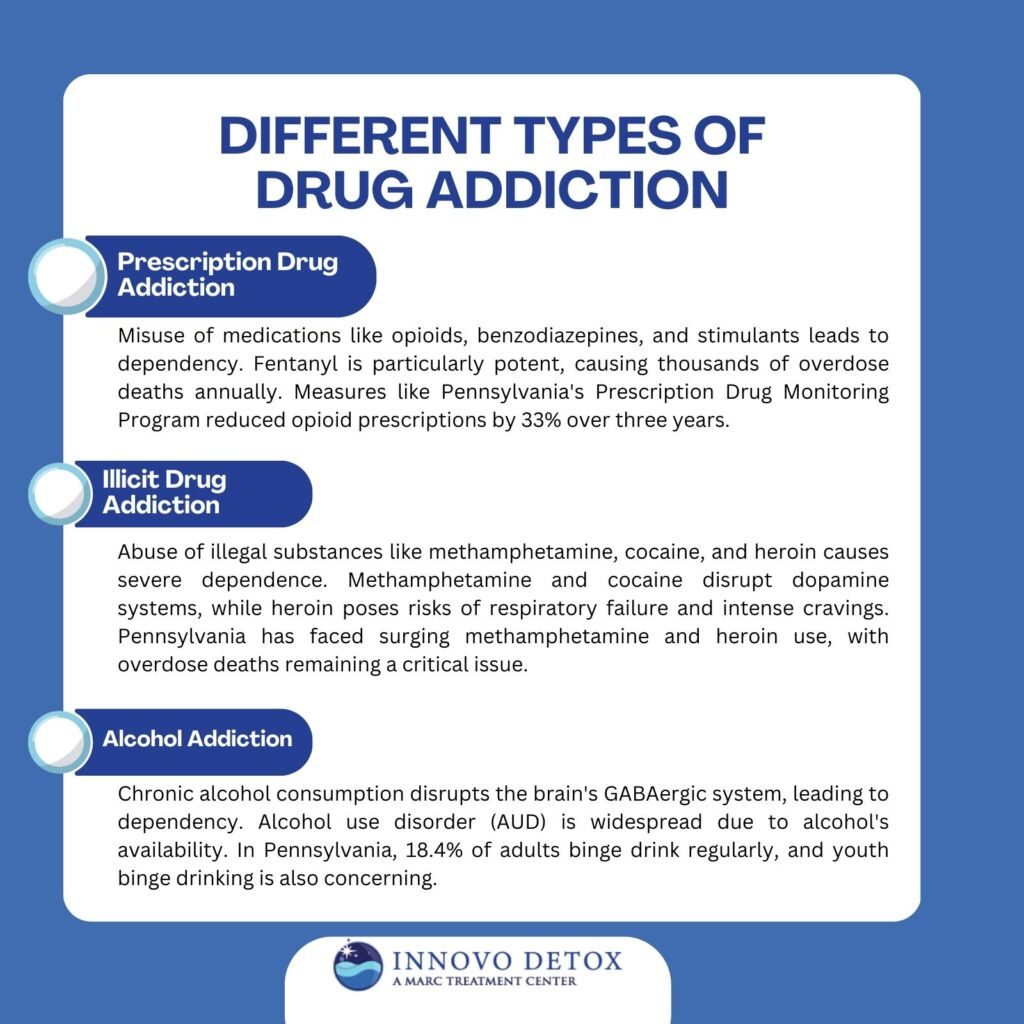
The different types of drug addiction are as follows:
Opioid Use Disorder
Opioid Use Disorder occurs when medications intended for legitimate medical use, such as codine, tramadol, vicodin, are misused, leading to dependency. Opioids, including oxycodone and morphine, significantly contribute to the opioid epidemic. The American Medical Association (AMA) reports that 3% to 19% of individuals prescribed pain medications develop an opioid addiction.
In Pennsylvania, high opioid prescription rates have exacerbated the crisis, with many individuals transitioning from prescription opioids to illicit drugs like heroin. Approximately 7.99% of Pennsylvania residents reported using illicit drugs in one month, compared to the national average of 8.82%, according to the 2009-2010 National Survey on Drug Use and Health (NSDUH).
A study by Miller C, Ilyas AM, et al. 2022, titled “Trends in Opioid Prescribing Following Pennsylvania Statewide Implementation of a Prescription Drug Monitoring Program,” found a 33% reduction in opioid pills prescribed over three years post-implementation, equating to 677,194 fewer pills. The most significant decreases occurred in prescriptions exceeding seven days of supply (43%) and 22 pills (37%). Declines were most pronounced in the first two years, slowing in the third year.
Fentanyl Addiction
According to DEA.gov in “Drug Fact Sheet: Fentanyl,” fentanyl’s potency is 50- to 300 times greater than morphine, which makes addiction especially dangerous, and as little as 2 milligrams cause death. In 2020, fentanyl contributed to over 42,700 overdose fatalities in the U.S. The American Medical Association estimates that 3% to 19% of individuals prescribed pain medications develop an addiction.
Meth Addiction
Methamphetamine addiction involves the abuse of illegal substances such as methamphetamine which leads to severe physical and psychological dependence. Methamphetamine addiction is particularly destructive, with withdrawal symptoms like mood swings and extreme fatigue lasting weeks or months. The 2021 National Survey on Drug Use and Health reported that approximately 2.5 million Americans aged 12 or older used methamphetamine within the past year.
Cocaine Addiction
Cocaine addiction is categorized as a substance addiction because of its direct effects on neurochemical pathways and high addiction potential. It is marked by its rapid impact on the brain’s dopamine system, creating intense cravings and tolerance. In 2019, around 2% of Americans reported using cocaine, with individuals aged 18 to 25 being the most affected, according to the National Institute on Drug Abuse (NIDA).
Heroin Addiction
Heroin addiction is another severe form of substance abuse, with approximately 1.1 million people in the U.S. reporting heroin use in 2021, according to the 2021 National Survey on Drug Use and Health (NSDUH). Heroin’s risks include respiratory failure, intense cravings, and withdrawal symptoms such as nausea and muscle pain.
According to the PA Office of the Attorney General, the heroin and opioid epidemic is the number one public health and public safety challenge facing Pennsylvania. In 2021, 5,168 Pennsylvanians died from overdoses. An average of 14 Pennsylvanians die every day from overdose. Between 2010 and 2017, drug reports for methamphetamine in Pennsylvania shot up 880%, and overdose deaths involving methamphetamine in Pennsylvania doubled between 2016 and 2017.
Alcohol Addiction
Alcohol addiction, or alcohol use disorder (AUD), involves chronic and uncontrollable alcohol consumption that disrupts daily life and health. AUD is one of the most prevalent forms of addiction due to the legal and widespread availability of alcohol. Ethanol, the active ingredient in alcohol, disrupts the brain’s GABAergic system, leading to physical and psychological dependency.
Withdrawal symptoms include tremors, anxiety, and seizures. Alcohol consumption accounts for 5.1% of the global disease burden, according to the WHO. According to 2022 data from the Centers for Disease Control (CDC), 18.4% of Pennsylvania adults are regular binge drinkers. Alarmingly, 9.5% of Pennsylvania’s youth also binge drink, according to the 2023 Pennsylvania Youth Survey (PAYS).
Benzodiazepine Addiction
Benzodiazepines are prescription medications commonly used to treat anxiety, insomnia, and seizures. While effective for short-term use, they carry a risk of dependence and addiction when misused. A study published in The American Journal of Public Health found that approximately 12.6% of U.S. adults reported benzodiazepine use in the past year, with 2.2% reporting misuse. Misuse accounted for 17.2% of overall use, and was most prevalent among adults aged 18–25.
Stimulant Addiction
Stimulants, including prescription medications like Adderall and illicit drugs such as cocaine and methamphetamine, increase alertness and energy. However, they have a high potential for abuse and addiction. According to the 2019 National Survey on Drug Use and Health, approximately 5.5 million people aged 12 or older reported using cocaine in the past year, and about 2 million reported methamphetamine use. Misuse of prescription stimulants was reported by 4.8 million individuals according to SAMHSA.
Hallucinogen Addiction
Hallucinogens are substances that alter perception, mood, and cognitive processes. Recent data indicates a significant increase in hallucinogen use among young adults. In 2021, 8% of adults aged 19 to 30 reported past-year hallucinogen use, up from 5% in 2017 and 3% in 2012. This category includes substances such as LSD, MDMA, mescaline, peyote, psilocybin (magic mushrooms), and PCP according to NIDA.
What Is the Most Addictive Drug?
The most addictive drug is heroin, ranked as the most addictive substance in the world according to a study reported by CNN News and published in the National Library of Medicine. Heroin is followed by cocaine, nicotine, methamphetamine, and alcohol in terms of addiction potential.
Heroin’s euphoric effects and severe withdrawal symptoms make it highly addictive. Cocaine, a powerful stimulant, rapidly alters dopamine levels, leading to dependency. Nicotine, commonly found in tobacco, is addictive due to its influence on the brain’s reward system. Methamphetamine’s addictive potential stems from its intense stimulation of dopamine release, while alcohol’s widespread use and potential for dependency make it a significant public health concern.
What Signs and Symptoms Indicate Drug Addiction?
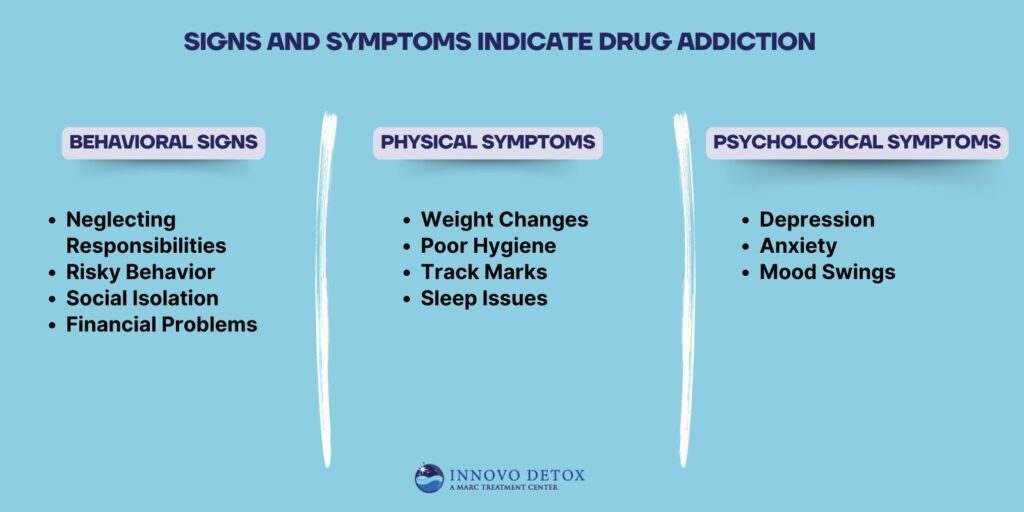
Signs and symptoms that indicate drug addiction are behavioral changes, physical symptoms, and psychological distress. Behavioral signs include isolation and neglect of responsibilities, physical symptoms manifest as weight changes and poor hygiene, and psychological symptoms such as mood swings and anxiety. According to the National Institute on Drug Abuse (NIDA), approximately 70% of individuals with substance use disorder report experiencing at least one of these symptoms.
Behavioral Signs
The behavioral signs of drug addiction are changes in habits and actions that disrupt daily life, relationships, and responsibilities. These indicate the individual’s increasing focus on substance use over other priorities.
The behavioral signs of drug addiction are as follows:
- Neglecting Responsibilities: People with drug addiction abandon work, school, or family obligations as drug use takes precedence, as studied by HealthGuide. This neglect results in job loss, academic failure, or strained family relationships.
- Risky Behavior: Individuals with drug addiction exhibit increased involvement in dangerous activities, such as driving under the influence or unsafe drug procurement methods, which becomes common.
- Social Isolation: Individuals with drug addiction also withdraw from loved ones and avoid social interactions to hide their substance use or prioritize drug use.
- Financial Problems: Excessive spending on substances is also a behavioral sign of drug addiction. It leads to debt or financial instability, further exacerbating stress and dependency.
Physical Symptoms
The physical symptoms of drug addiction are visible health changes that occur due to repeated drug use, indicating the toll drugs take on the body.
The physical symptoms of drug addiction are as follows:
- Weight Changes: Individuals struggling with drug addiction frequently experience significant weight fluctuations. This manifests as noticeable weight loss due to appetite suppression caused by stimulants or weight gain from overeating triggered by depressants, according to a study by Gottfredson NC, Sokol RL. et al. 2019, titled “Explaining Excessive Weight Gain during Early Recovery from Addiction.” These physical changes are rapid and difficult to control, reflecting the body’s response to substance abuse.
- Poor Hygiene: Addiction leads individuals to neglect personal care routines. This neglect results in an unkempt appearance, offensive body odor, or untreated dental health issues. The focus on substance use over personal well-being frequently causes these outward signs of diminished self-care.
- Track Marks: For those using drugs intravenously, visible marks, scars, or bruises appear on the skin, particularly on the arms, hands, or legs. These “track marks” are caused by repeated injections and lead to infections or permanent scarring, making them a standard physical indicator of drug addiction.
- Sleep Issues: Disrupted sleep patterns are another sign of drug addiction. Individuals experience severe insomnia due to stimulants or excessive drowsiness caused by depressants. These disruptions lead to chronic fatigue, irritability, and difficulty functioning during daily activities, reflecting the profound impact of drugs on the body’s natural rhythms, according to a study by SAMSHA in their research titled “Treating Sleep Problems of People in Recovery From Substance Use Disorders.”
Psychological Symptoms
The psychological symptoms of drug addiction are mental and emotional challenges that arise from drug dependence. These symptoms affect mood, cognition, and overall mental health.
The psychological symptoms of drug addiction are as follows:
- Depression: Prolonged drug use leads to persistent feelings of sadness, hopelessness, and a lack of interest in once-enjoyed activities. This occurs due to the disruption of neurotransmitters in the brain responsible for regulating mood and emotional well-being, as studied by Nunes EV, Levin FR. et al. 2008, in “Treatment of Co-occurring Depression and Substance Dependence: Using Meta-analysis to Guide Clinical Recommendations.”
- Anxiety: Addiction heightens feelings of worry, fear, or panic that seem disproportionate to actual situations, according to a study by Smith JP, Book SW. et al. 2008, titled “Anxiety and Substance Use Disorders: A Review.” These symptoms arise as drugs alter the brain’s stress response system, making it difficult for individuals to cope with everyday challenges.
- Mood Swings: Frequent and intense emotional shifts, ranging from euphoria to irritability or anger, are common signs of addiction. These rapid changes are triggered by the effects of substances or the withdrawal process, reflecting the instability addiction causes in emotional regulation, as studied by Quello SB, Brady KT, Sonne SC. et al. 2005, titled “Mood disorders and substance use disorder: a complex comorbidity.”
What Are the Less-known Symptoms of Drug Addiction That Often Go Unnoticed?
The lesser-known symptoms of drug addiction that often go unnoticed are financial struggles, secretive behavior, and emotional instability. These subtle signs indicate underlying substance use issues and are important for early identification and intervention. Financial struggles arise as individuals prioritize spending on substances over basic needs, leading to unexplained debts or borrowing.
Secretive behavior, such as hiding activities, lying about whereabouts, or avoiding close interactions, signals attempts to conceal drug use. Emotional instability, including sudden irritability, heightened sensitivity, or uncharacteristic withdrawal from loved ones, reflects the psychological impact of addiction.
What Are the Key Risk Factors for Drug Addiction?
The key risk factors for drug addiction are genetics, trauma, co-occurring mental health disorders, peer pressure, and poverty. These factors interact in complex ways, increasing the likelihood of developing substance use disorders.
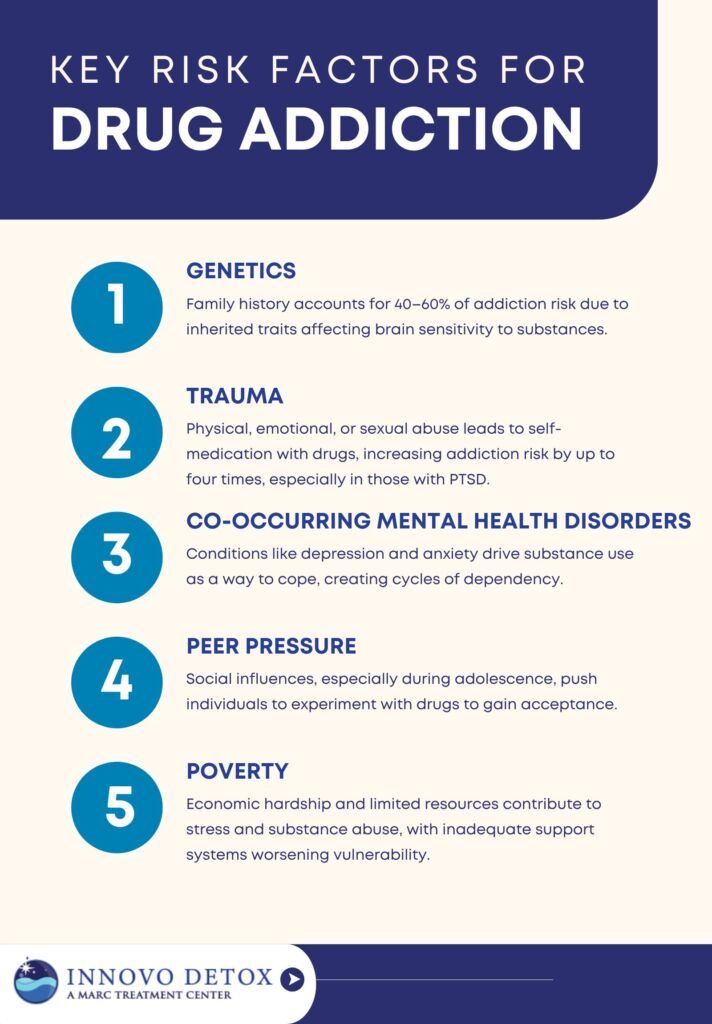
The key risk factors for drug addiction are as follows:
- Genetics: A family history of addiction significantly raises the risk of drug dependency. According to a study by Bevilacqua L, Goldman D. et al. 2009, titled “Genes and addictions,” genetic predisposition accounts for 40–60% of an individual’s vulnerability, as inherited traits influence the brain’s reward system and sensitivity to substances.
- Trauma: Experiencing physical, emotional, or sexual abuse during childhood or adulthood contributes to substance use as a coping mechanism. Unresolved trauma leads individuals to self-medicate with drugs to alleviate emotional pain, eventually promoting addiction. Research by NIDA suggests that 40% of people with PTSD develop substance addiction and that trauma can increase the risk of addiction by up to four times.
- Co-occurring Mental Health Disorders: Conditions such as depression, anxiety, or bipolar disorder heighten the risk of addiction. Individuals turn to drugs in an attempt to manage these symptoms, creating a cycle of dependency that complicates treatment and recovery.
- Peer Pressure: Social influences, particularly during adolescence, encourage drug experimentation. The need to fit in or gain approval within a peer group outweighs concerns about the risks, making peer pressure a powerful driver of addiction.
- Poverty: Economic hardship and limited access to resources create stress and hopelessness, which lead to substance abuse. Environments with high poverty rates lack adequate support systems, further increasing the vulnerability to addiction.
How Do Socioeconomic and Cultural Factors in Pennsylvania Increase the Risks of Drug Addiction?
The socioeconomic and cultural factors in Pennsylvania increase the risks of drug addiction by contributing to unemployment, rural-urban disparities, and limited healthcare access, all of which create conditions that promote substance use. Unemployment rates in economically struggling areas of Pennsylvania leave individuals vulnerable to addiction, as financial insecurity and stress drive people toward drugs as a coping mechanism.
Rural communities, which make up much of the state, face challenges such as limited access to addiction treatment facilities, making it harder for residents to seek help. Urban areas like Philadelphia, meanwhile, experience higher drug availability and concentrated poverty, exacerbating addiction rates.
According to state-specific data, Pennsylvania has one of the highest opioid overdose rates in the U.S. According to the PA Office of the Attorney General, in 2021, 5,168 Pennsylvanians died from drug overdoses, with an average of 14 Pennsylvanians dying every day. This is partly due to the combination of prescription drug misuse and limited healthcare access in rural areas.
How Is Drug Addiction Diagnosed?
Drug addiction is diagnosed by evaluating behavioral patterns and medical history and using specialized screening tools designed to assess substance use disorders. These diagnostic methods provide a comprehensive understanding of an individual’s condition, identifying addiction’s severity and its impact on health and life.
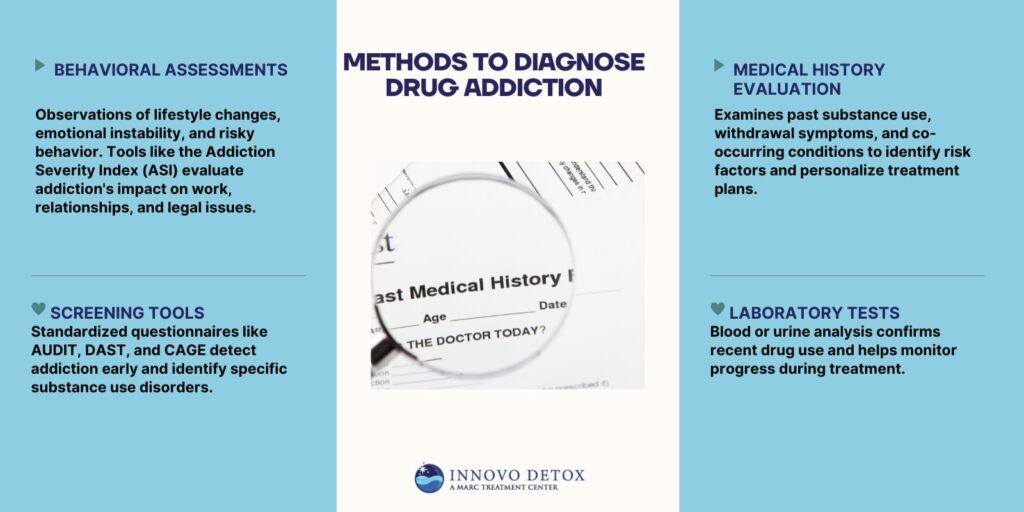
The following methods diagnose drug addiction:
- Behavioral Assessments: Behavioral assessments involve observing patterns such as neglecting responsibilities, social isolation, or engaging in risky actions. These evaluations include interviews where healthcare providers inquire about lifestyle changes, emotional stability, and relationships. Tools like the Addiction Severity Index (ASI) help assess the impact of addiction on multiple areas, including employment, family, and legal issues.
- Medical History Evaluation: A detailed medical history provides insights into past or current substance use and related health conditions. Physicians look for signs of prior drug dependence, co-occurring mental health disorders, or recurring withdrawal symptoms. By understanding the patient’s health background, clinicians identify risk factors and tailor treatment plans.
- Screening Tools: Screening tools are standardized questionnaires to detect drug addiction early. For alcohol addiction, the AUDIT (Alcohol Use Disorders Identification Test) is commonly used, while the DAST (Drug Abuse Screening Test) helps identify general drug use disorders. The CAGE questionnaire is another brief screening tool applied to detect substance dependency.
- Laboratory Tests: Laboratory tests, such as blood or urine analysis, confirm the presence of specific substances in the body. They provide concrete evidence of recent drug use and help monitor recovery progress during treatment.
Which Treatment Options Are Effective for Drug Addiction?
The treatment options that are effective for drug addiction are detoxification, medication-assisted treatment (MAT), behavioral therapies, family therapy, holistic therapies, and support groups. These approaches work individually or in combination to address the physical, psychological, and social aspects of addiction, promoting long-term recovery.

The treatment options that are effective for drug addiction are as follows:
1. Detoxification
Drug detoxification is the process of safely removing harmful substances from the body under medical supervision. Detox serves as the first step in addiction treatment, focusing on “withdrawal management” to alleviate discomfort and stabilize the individual. During detox programs, patients undergo medical evaluations, receive medications to ease withdrawal symptoms, and are monitored for complications.
The average duration of withdrawal symptoms ranges from a few days to a few weeks, depending on the substance. Success rates for completing medical detox are high, according to SAMHSA, showing 68% completion rates when supported by professionals.
2. Medication-Assisted Treatment (MAT)
MAT combines “FDA-approved medications” with counseling and behavioral therapies to treat substance use disorders. It is particularly effective for opioid and alcohol addiction recovery, using medications like Suboxone, methadone, and buprenorphine to reduce cravings and withdrawal symptoms.
The FDA-approved medications for MAT are as follows:
- Suboxone (Buprenorphine/Naloxone): Suboxone combines buprenorphine, a partial opioid agonist, with naloxone, an opioid antagonist that prevents misuse. It helps manage withdrawal symptoms and reduce cravings while minimizing the potential for abuse. According to the CDC, Suboxone improves retention rates in treatment programs by 40% to 60%, supporting sustained recovery.
- Methadone: Methadone is a long-acting opioid agonist that works by activating opioid receptors in the brain at a controlled rate. It prevents withdrawal symptoms and reduces cravings without producing the euphoric effects of other opioids. Methadone is highly effective for long-term maintenance therapy in opioid use disorder patients, especially when combined with behavioral counseling. A study by Radfar N et al. 2023 titled “Retention rate in methadone maintenance treatment and factors associated among referred patients from the compulsory residential centers compared to voluntary patients” reported a one-year retention rate of 15.84%, emphasizing lower success rates among patients referred from compulsory residential centers compared to voluntary patients. In contrast, a systematic review by O’Connor AM et al. 2020, titled “Retention of patients in opioid substitution treatment: a systematic review,” found a significantly higher 57% average one-year retention rate across 63 observational studies, highlighting methadone’s broader success in supporting long-term recovery when implemented under optimal conditions.
- Buprenorphine: Buprenorphine, a partial opioid agonist, binds to the same receptors as opioids but with a ceiling effect that limits its impact, reducing the risk of misuse and respiratory depression. Retention rates for buprenorphine have been reported as 74.5% at 3 months and 48.3% at 12 months by NIDA.
- Naltrexone: Naltrexone is an opioid antagonist that blocks the effects of opioids, preventing relapse in individuals who have already detoxified. It is available in oral and extended-release injectable forms, offering flexibility for patients. Naltrexone is particularly effective for individuals motivated to maintain abstinence. The COMBINE study by Anton RF et al. 2003, titled “Combined pharmacotherapies and behavioral interventions for alcohol dependence: the COMBINE study: a randomized controlled trial,” demonstrated that naltrexone (100 mg daily) over 16 weeks was more effective than placebo in alcohol dependence treatment. Patients receiving naltrexone had 80.6% abstinent days compared to 75.1% with placebo and experienced a reduced risk of heavy drinking days (66.2% vs. 73.1% with placebo), even without behavioral therapy.
3. Behavioral Therapies
Behavioral therapies, such as cognitive-behavioral therapy (CBT) and dialectical behavior therapy (DBT), are evidence-based approaches that help individuals overcome addiction by addressing “thought patterns” and emotional triggers. These therapies teach coping strategies, improve decision-making, and treat co-occurring mental health disorders.
Research by SAMSHA indicates that CBT reduces substance use by up to 60%, while DBT is particularly effective for individuals with high emotional dysregulation. These therapies are integral to recovery, providing long-term tools for managing addiction.
4. Family Therapy
Family therapy helps individuals and their loved ones rebuild trust and strengthen bonds strained by addiction. It addresses co-dependency issues, encourages open communication, and fosters a supportive environment for recovery. Family involvement improves treatment outcomes by increasing accountability and emotional stability. In adult addiction recovery, family therapy is particularly effective, with studies indicating improved abstinence rates and better mental health outcomes for patients and their families.
5. Holistic Therapies
Holistic therapies promote overall wellness by treating the mind, body, and spirit. These therapies complement traditional treatments by addressing stress, emotional balance, and physical health.
The following holistic therapies are used to treat drug addiction:
- Yoga: Yoga enhances physical and mental well-being by reducing stress and improving emotional regulation. It is a popular “holistic addiction treatment” method that promotes relaxation and mindfulness.
- Meditation: Meditation helps individuals develop focus and self-awareness, improving their ability to cope with cravings and triggers. It is integrated into wellness therapy programs.
- Art and Music Therapy: Art and music therapies are creative outlets that allow patients to express emotions, reduce stress, and build self-esteem as part of their recovery journey.
6. 12-Step and Support Groups
Support groups like Alcoholics Anonymous (AA) and Narcotics Anonymous (NA) provide community-based recovery support. These groups, including Pennsylvania-specific chapters, create a sense of belonging and accountability for individuals in recovery. The 12-step model emphasizes personal responsibility, spiritual growth, and mutual support, encouraging sustained recovery. Many participants credit these groups for helping them maintain sobriety and navigate life’s challenges.
Are There Support Groups For Families of People Suffering from Drug Addiction?
Yes, there are support groups for families of people suffering from drug addiction that provide guidance, understanding, and coping strategies. Groups like Al-Anon are specifically designed to help family members navigate the challenges of supporting a loved one struggling with addiction.
These family support groups offer a safe space to share experiences, gain emotional support, and learn how to set healthy boundaries. They also provide educational resources to help families understand addiction and its impact. These groups empower families to focus on their well-being while supporting their loved one’s recovery journey by cultivating a sense of community.
What Are the Common Health Effects of Drug Addiction?
The common health effects of drug addiction are physical deterioration, mental health issues, and severe long-term risks, including chronic diseases and overdose. Drug addiction impacts every aspect of health, leading to serious consequences that worsen over time.
Common health effects of drug addiction are as follows:
- Physical Deterioration: Drug addiction causes organ damage, weakened immune function, and cardiovascular issues. Chronic substance use leads to liver failure, kidney damage, and respiratory complications. For example, intravenous drug use introduces infections into the bloodstream, further straining the body’s systems.
- Mental Health Issues: Addiction is closely linked to mental health disorders, such as depression, anxiety, and cognitive impairments. It exacerbates pre-existing mental health conditions and leads to new disorders, creating a cycle of dependency and emotional distress. Cognitive functions like memory, decision-making, and focus deteriorate with prolonged substance abuse.
- Severe Long-Term Risks: Long-term drug addiction results in irreversible health conditions, including liver failure, lung disease, and neurological damage. Chronic exposure to drugs alters brain chemistry, impairing the nervous system and reducing overall well-being. These conditions require lifelong management and reduce life expectancy.
- Increased Risk of Overdose: Overdose is a critical risk associated with drug addiction. In 2021, over 100,000 drug overdose deaths were recorded in the U.S., according to the CDC. Opioids, particularly fentanyl, are a major driver of these fatalities. Pennsylvania alone reported nearly 5,000 overdose deaths in 2020, underscoring the urgency of addressing this public health crisis.
- Cardiovascular Complications: Many substances, such as cocaine and methamphetamine, significantly impact the heart and blood vessels. Drug use leads to high blood pressure, arrhythmias, and an increased risk of heart attacks or strokes. These complications are life-threatening and require immediate medical intervention.
- Weakened Immune System: Prolonged drug use compromises the immune system, making the body more susceptible to infections and diseases. This is particularly dangerous for individuals who use injectable drugs, as it increases the risk of contracting blood-borne infections like HIV and hepatitis.
How to Prevent Relapse from Drug Addiction?
To prevent relapse from drug addiction, individuals must focus on managing addiction triggers, maintaining ongoing support, and creating a structured relapse prevention plan. Identifying and avoiding high-risk situations, such as stress or exposure to substance use, is necessary.
Developing healthy coping mechanisms, such as exercise, mindfulness, or therapy, helps manage cravings. Ongoing support through groups like NA or AA and consistent engagement with addiction counselors provide accountability and encouragement.
In the United States, relapse rates for substance use disorders (SUDs) are between 40% and 60%, according to the CDC. Pennsylvania reflects this national trend, with opioid addiction posing significant challenges. A personalized relapse prevention plan, customized to the individual’s needs, is pivotal to reducing the risk and sustaining long-term recovery.
Which Local Resources Are Available in Pennsylvania For Sustained Recovery?
Local resources that are available in Pennsylvania for sustained recovery include substance abuse treatment facilities, helplines, and community-based programs. These resources provide comprehensive support for individuals seeking long-term recovery and address the state’s specific needs for substance use and mental health treatment.
Local resources that are available in Pennsylvania for sustained recovery are as follows:
- Substance Abuse Treatment Facilities: Pennsylvania has 600 substance abuse treatment facilities, as reported in the 2019 N-SSATS survey. On March 29, 2019, these facilities provided treatment to 66,969 clients, emphasizing the state’s robust infrastructure for addressing addiction. Pennsylvania has 4 SUD treatment facilities per 100,000 individuals, reflecting its commitment to accessible care.
- Helplines and Crisis Support: Resources like the Pennsylvania Get Help Now hotline (1-800-662-HELP) offer immediate assistance to individuals seeking addiction treatment. These helplines connect callers with local services, including detox programs, outpatient treatment, and residential care, ensuring timely support.
- Community-Based Programs: Numerous community organizations, such as Prevention Point Pittsburgh and the Council on Chemical Abuse, provide harm reduction services, education, and recovery support. These initiatives build supportive networks for individuals transitioning to sobriety.
- Investment in Behavioral Health: Pennsylvania ranks among the top 10 states for access to substance use disorder and mental health treatment, investing $281.86 per capita in behavioral health services, according to the Commonwealth of Pennsylvania. This investment enables the development of comprehensive care programs that integrate physical and mental health services for sustained recovery.
Can You Fully Recover From Drug Addiction?
Yes, it is possible to fully recover from drug addiction. Still, the process is complex and depends on several factors, including the type of substance, the duration of use, and individual circumstances. Recovery potential varies; for example, individuals with prescription drug addiction respond well to structured treatment programs like Medication-Assisted Treatment (MAT), while those recovering from illicit drug or alcohol addiction require a combination of medical care, behavioral therapies, and ongoing support.
Recovery is an ongoing process that involves more than just stopping substance use. It requires addressing the physical, mental, and emotional impacts of addiction, managing triggers, and rebuilding a healthy lifestyle. With evidence-based treatments, a strong support system, and commitment to long-term care, many individuals achieve sustained recovery and lead fulfilling lives. A study published by the CDC and the National Institute on Drug Abuse in 2020 found that 3 out of 4 people who experience addiction eventually recover after proper treatment.
How to Effectively Prevent Drug Addiction in Adults?
To effectively prevent drug addiction in adults, you need to implement stress management, education, and community programs. These strategies work together to address the root causes of addiction, promote healthier lifestyles, and create supportive environments.
To effectively prevent drug addiction in adults, the following strategies are employed:
- Stress Management: Teaching adults how to manage stress through techniques such as mindfulness, exercise, or therapy significantly reduces the likelihood of turning to substances as a coping mechanism. Stress management programs in workplaces and communities help individuals build resilience, improve emotional regulation, and maintain mental well-being.
- Education: Providing adults with accurate information about the risks and consequences of drug use is important. Educational campaigns, workshops, and seminars raise awareness and debunk myths about substance use. Incorporating educational programs into workplaces, healthcare settings, and community centers ensures that individuals are informed about the dangers and have the tools to make better choices.
- Community Programs: Community-based initiatives such as support groups, recreational activities, and wellness programs create positive environments where individuals connect and find purpose without relying on substances. Programs targeting at-risk populations address social determinants like poverty and unemployment, offering resources and opportunities to reduce vulnerability to addiction.
When Should Adults Seek Help for Drug Addiction?
Adults should seek help for drug addiction when they notice warning signs such as loss of control over drug use, neglect of responsibilities, strained relationships, or experiencing withdrawal symptoms. Other indicators include significant behavioral changes, physical health deterioration, or psychological distress, such as depression or anxiety. These signs suggest that drug use has escalated beyond personal control and requires professional intervention.
Delays in seeking treatment are common. According to the National Survey on Drug Use and Health (NSDUH), an average of 90% of individuals with a substance use disorder (SUD) do not seek treatment, waiting years before taking action. Early intervention is required to prevent further health complications, legal issues, and social consequences. Seeking help at the first signs of addiction increases the likelihood of successful recovery and minimizes long-term damage.
How to Help Your Loved Ones Struggling With Drug Addiction?
To help your loved ones struggling with drug addiction, it is necessary to offer compassion, guidance, and access to appropriate resources while avoiding enabling behaviors. Understanding their challenges and providing actionable support significantly impact their recovery journey and help them seek professional support for drug addiction.
To help your loved ones struggling with drug addiction, the following actions should be taken:
- Educate Yourself About Addiction: Learn about substance use disorders, their causes, and treatment options. Understanding that addiction is a chronic medical condition, not a moral failing, helps you approach the situation with empathy and reduces stigma.
- Encourage Open and Honest Communication: Create a safe space for your loved one to share their struggles without judgment. Open conversations about feelings and behavior help build trust and allow for discussing treatment options.
- Stage a Thoughtful Intervention: Plan a structured and respectful intervention with the help of a professional. During the intervention, express your concerns and encourage them to seek professional support. Be specific about the changes you’ve noticed and how their addiction affects them and others.
- Seek Professional Support: Connect your loved one with detox services, therapists, or addiction treatment programs. Professional support, such as medical detox and counseling, is important for addressing the physical and psychological aspects of addiction.
- Avoid Enabling Behaviors: Set boundaries and avoid actions that indirectly support their addiction, such as providing money or covering for their responsibilities. Instead, encourage accountability and healthier choices.
- Explore Support Resources Together: Help them find suitable programs, such as detox services, outpatient therapy, or rehab facilities. Family support groups like Al-Anon provide you with tools and guidance to navigate this challenging time.
- Encourage Healthy Coping Mechanisms: Encourage your loved one to adopt healthy habits like exercise, mindfulness, or creative outlets. These activities serve as positive alternatives to substance use.
Practice Patience and Self-Care: Recovery is a long-term process. Be patient with setbacks and ensure you’re taking care of your well-being to maintain the strength to support your loved one effectively.