Marijuana addiction develops when individuals engage in compulsive marijuana use, continuing despite the negative impact it has on various aspects of their lives. This condition leads to a loss of control, causing significant disruptions in daily functioning and well-being. It is marked by both physical and psychological dependence, making it challenging to quit.
According to the National Institute on Drug Abuse (NIDA), approximately 9% of marijuana users develop a dependency, with the rate rising to 17% for those who start using it during adolescence. According to the Commonwealth of Pennsylvania, as of August 2021, 595,336 people, representing 4.6% of the PA population, were medical marijuana patients.
Common symptoms of marijuana addiction include increased tolerance, cravings, and difficulty controlling use. Emotional symptoms, such as irritability and anxiety, emerge when trying to quit. It interferes with responsibilities and causes social issues.
The causes of marijuana addiction stem from genetics, mental health conditions, stress, peer influence, and early exposure. Individuals with co-occurring mental health disorders, like depression or anxiety, are more vulnerable. Family history and environmental factors also increase the likelihood of developing cannabis use disorder.
Withdrawal symptoms include anxiety, irritability, insomnia, and appetite changes. Symptoms start within 24-72 hours after stopping and last up to two weeks, depending on usage patterns. Severe cases require professional marijuana addiction treatment to manage withdrawal, especially when mental health issues are present alongside the addiction.
Treatment for marijuana addiction includes behavioral therapies like cognitive-behavioral therapy (CBT) and motivational enhancement therapy (MET). These therapies help individuals address harmful behaviors and boost motivation to quit. Medication is also prescribed for withdrawal symptoms, alongside family therapy and support groups, to ensure long-term success in recovery.
Preventing relapse involves stress management, avoiding triggers, and maintaining a support system. Support groups and therapy sessions help with motivation and accountability. Addressing co-occurring mental health disorders through integrated care is important to prevent relapse and promote lasting recovery, allowing adults to lead a substance-free life.
What is Marijuana Addiction?
Marijuana addiction, clinically termed cannabis use disorder, is a chronic condition marked by compulsive marijuana use despite adverse effects on mental, physical, and social well-being. It involves both psychological dependence and, in some cases, physical withdrawal symptoms such as irritability, cravings, and sleep disturbances when not using.
The DSM-5 defines CUD as “Cannabis use disorder is a clinically significant condition characterized by a problematic pattern of marijuana use leading to impairment or distress within 12 months. Symptoms include using larger amounts than intended, unsuccessful attempts to reduce use, spending excessive time obtaining or using cannabis, strong cravings, and failure to meet obligations at work, school, or home. Tolerance and withdrawal symptoms are also present. Severity is classified as mild (2-3 symptoms), moderate (4-5 symptoms), or severe (6 or more symptoms).”
According to the National Institute on Drug Abuse (NIDA), about 9% of individuals who use marijuana develop an addiction, with rates increasing for those who begin in adolescence or use high-potency products.
Marijuana comes from the Cannabis sativa plant, a species cultivated for its psychoactive compounds, primarily tetrahydrocannabinol (THC) and cannabidiol (CBD). THC is responsible for the “high” associated with marijuana, affecting the brain’s reward system and altering perception, mood, and behavior. The plant is consumed in various forms, including smoking, vaping, and edibles, with modern cultivation and production methods increasing THC concentrations.
NIDA emphasizes that while not everyone who uses marijuana becomes addicted, regular and prolonged use alters brain function, particularly in adolescents, whose developing brains are more vulnerable to addiction. Long-term use is associated with changes in memory, attention, and decision-making, underscoring its status as a chronic condition that requires appropriate recognition and treatment.
A widespread misconception is that marijuana is entirely harmless because it is a natural plant, leading to the belief that it does not cause addiction. This overlooks the reality that natural substances, including marijuana, have potent psychoactive effects and lead to dependence. Another myth is that marijuana use is only psychologically addictive, but research indicates it results in physical withdrawal symptoms, especially with long-term, heavy use of high-potency products.
What Is Marijuana?
Marijuana, also known as cannabis, is a plant-based substance derived from the Cannabis sativa plant, containing psychoactive compounds such as tetrahydrocannabinol (THC). THC is the primary ingredient responsible for the mind-altering effects of marijuana, influencing the brain’s reward system and altering mood, perception, and cognition, as studied by Lafaye G., Karila L., Blecha L., Benyamina A., et al. 2017, titled “Cannabis, cannabinoids, and health.”
Cannabis is widely used for recreational purposes, providing a euphoric or relaxing effect, and for medicinal purposes, where it helps manage conditions such as chronic pain, nausea, and certain neurological disorders. The psychoactive nature of THC underpins both its therapeutic applications and potential for misuse, making cannabis a substance of both medical value and public health concern.
Why Is Marijuana Addiction a Concern for Adults?
Marijuana addiction is a concern for adults because it interferes with responsibilities, exacerbates stress, and leads to significant long-term health and social consequences. Adults face pressures such as work demands, financial stress, and family obligations, which increase the likelihood of using cannabis as a coping mechanism. This use progresses to dependence, impairing cognitive function, decision-making, and productivity.
Chronic marijuana use is also associated with mental health issues such as anxiety and depression, as well as physical risks like respiratory problems and cardiovascular strain. According to the Substance Abuse and Mental Health Services Administration (SAMHSA), 16.3% of adults aged 26 and older in the U.S. reported past-year marijuana use in 2020, with an increasing trend in regular use. In Pennsylvania, 34.3% of young adults (18-25) reported using marijuana during 2017-2019, and 5% met the criteria for marijuana use disorder.
Can Marijuana Use Lead to Addiction?
Yes, marijuana use can lead to addiction. According to the National Institute on Drug Abuse (NIDA), approximately 9% of people who use marijuana will develop a dependence and the risk increases for those who start using during adolescence. Regular use alters brain function, leading to tolerance and withdrawal symptoms, which are key indicators of addiction. This dependency interferes with daily life, affecting mental health, relationships, and work performance.
What Are the Signs of Marijuana Addiction?
The signs of marijuana addiction are characterized by changes in physical, emotional, and behavioral health, indicating a growing dependence on the substance. These signs severely impact daily life, impairing work, relationships, and overall well-being.
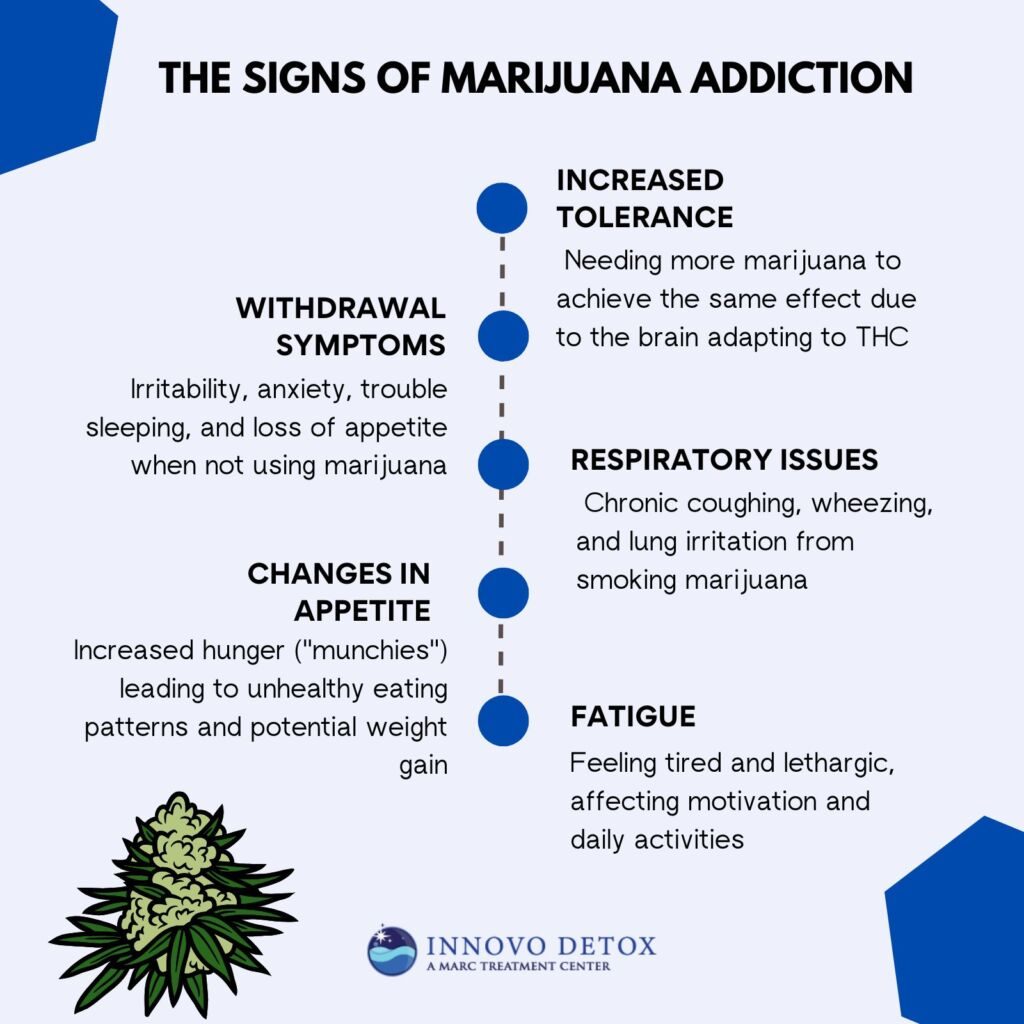
The physical signs of marijuana addiction are as follows:
- Increased tolerance: As individuals use marijuana more frequently, they need higher amounts to achieve the same effects. This is a common sign of addiction, with prevalence linked to the brain’s adaptation to THC, reducing its effectiveness over time. This symptom occurs due to the brain’s neuroplasticity and the desensitization of cannabinoid receptors.
- Withdrawal symptoms: When someone stops using marijuana, they experience irritability, anxiety, difficulty sleeping, and loss of appetite. These symptoms are severe and reflect the body’s dependence on the drug, as THC alters the brain’s neurochemical balance. Withdrawal occurs because the brain has become reliant on THC to regulate mood and sleep. Research by Coughlin LN et al. 2021, titled “Progression of cannabis withdrawal symptoms in people using medical cannabis for chronic pain,” indicates that cannabis withdrawal symptoms are reported by more than 40% of those using it regularly.
- Respiratory issues: Regular marijuana smoking leads to chronic coughing, wheezing, and lung irritation. This is a prevalent symptom, especially in long-term users, as inhaling smoke damages the lungs and airways, similar to tobacco use. Scientifically, this happens because marijuana smoke contains irritants that affect the respiratory system, as studied by Ghasemiesfe M et al. 2018, in “Marijuana Use, Respiratory Symptoms, and Pulmonary Function: A Systematic Review and Meta-analysis.”
- Changes in appetite: Marijuana use increases appetite, known as the “munchies.” Over time, this leads to unhealthy eating patterns and weight gain. The appetite changes occur because THC stimulates the brain’s hunger centers, increasing food intake, which becomes problematic in addiction.
- Fatigue: Chronic marijuana use causes users to feel tired and lethargic, impacting their ability to engage in daily activities. THC affects the brain’s reward system and disrupts normal energy levels, leading to a lack of motivation or excessive sleepiness.
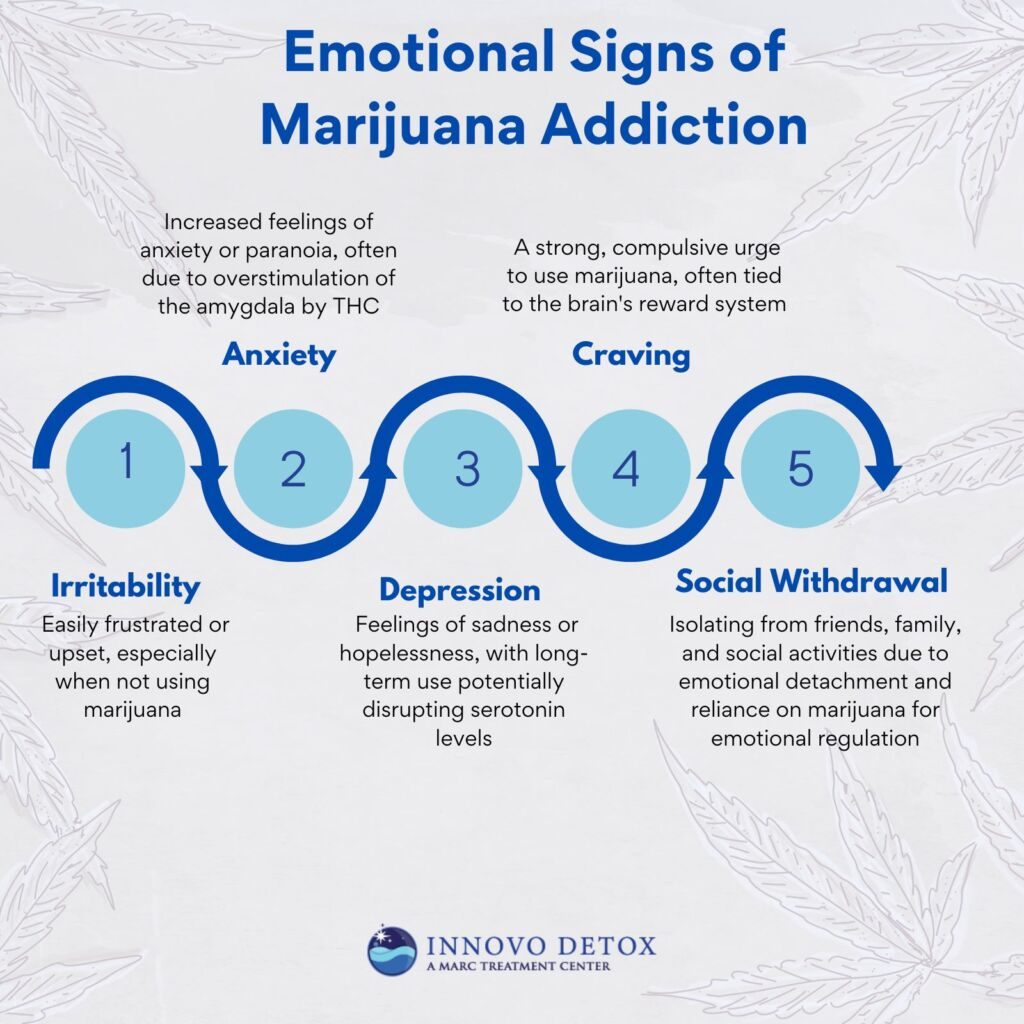
The emotional signs of marijuana addiction are as follows:
- Irritability: Individuals become easily frustrated or upset, especially when not using marijuana, as studied by Ansell EB, Laws HB, Roche MJ, Sinha R., et al. 2015 in “Effects of marijuana use on impulsivity and hostility in daily life.” This emotional instability is common among users who are dependent on the substance to regulate mood, and it occurs because THC affects the brain’s regulation of emotions, leading to mood swings when not in use.
- Anxiety: As marijuana use increases, so do feelings of anxiety or paranoia. This is a serious symptom, particularly in individuals who use marijuana frequently to self-medicate anxiety. THC overstimulates the amygdala, the brain region responsible for emotions, amplifying feelings of anxiety or discomfort. According to a study by Buckner JD, Heimberg RG, Schneier FR, Liu SM, Wang S, Blanco C., et al. 2012, titled “The Relationship between cannabis use disorders and social anxiety disorder in the National Epidemiological Study of Alcohol and Related Conditions (NESARC),” more than 40% of people who use cannabis daily have reported feeling severely anxious.
- Depression: Long-term marijuana use exacerbates feelings of sadness or hopelessness. The relationship between marijuana and depression is concerning, as THC alters brain chemistry, potentially disrupting serotonin levels, which are paramount for regulating mood.
- Craving: A strong desire or urge to use marijuana is a key emotional sign of addiction. This craving becomes more intense the longer someone uses marijuana, as their brain becomes conditioned to associate cannabis with pleasure or relief, leading to compulsive use.
- Social withdrawal: Many individuals addicted to marijuana distance themselves from family, friends, or social activities. This emotional detachment occurs because of the increased need for marijuana to cope with emotions, leading to isolation and a reduction in social engagement.
The behavioral signs of marijuana addiction are as follows:
- Increased use: Users find themselves consuming marijuana in larger quantities or over a longer period than initially intended. This is a prevalent sign of addiction, as the brain’s adaptation to THC leads to higher consumption to achieve the desired effects.
- Neglecting responsibilities: Work, school, or family obligations are neglected in favor of using marijuana. This serious symptom reflects how marijuana use interferes with daily functioning, as individuals prioritize obtaining or using cannabis over fulfilling important life tasks.
- Failed attempts to quit: Many individuals with marijuana addiction try unsuccessfully to reduce or stop their use. This behavior occurs because the brain’s reward system becomes dependent on THC, making it difficult to control or stop use despite the negative consequences.
- Risky behavior: Continuing to use marijuana in unsafe situations, such as driving under the influence, is a behavioral sign of addiction. This occurs because the brain’s judgment and decision-making abilities are impaired under the influence of THC, leading to dangerous choices.
- Loss of interest in activities: As addiction progresses, individuals lose interest in hobbies or activities they once enjoyed. This happens because marijuana use alters brain chemistry, affecting motivation and the ability to feel pleasure, making once-enjoyable activities seem less rewarding.
What Are the Early Warning Signs of Marijuana Addiction?
The early warning signs of marijuana addiction are increased usage, neglect of responsibilities, changes in mood, and loss of interest in activities. These are subtle signs but indicate the beginning of a developing dependence. These signs are important to recognize early, leading to more serious consequences if not addressed.
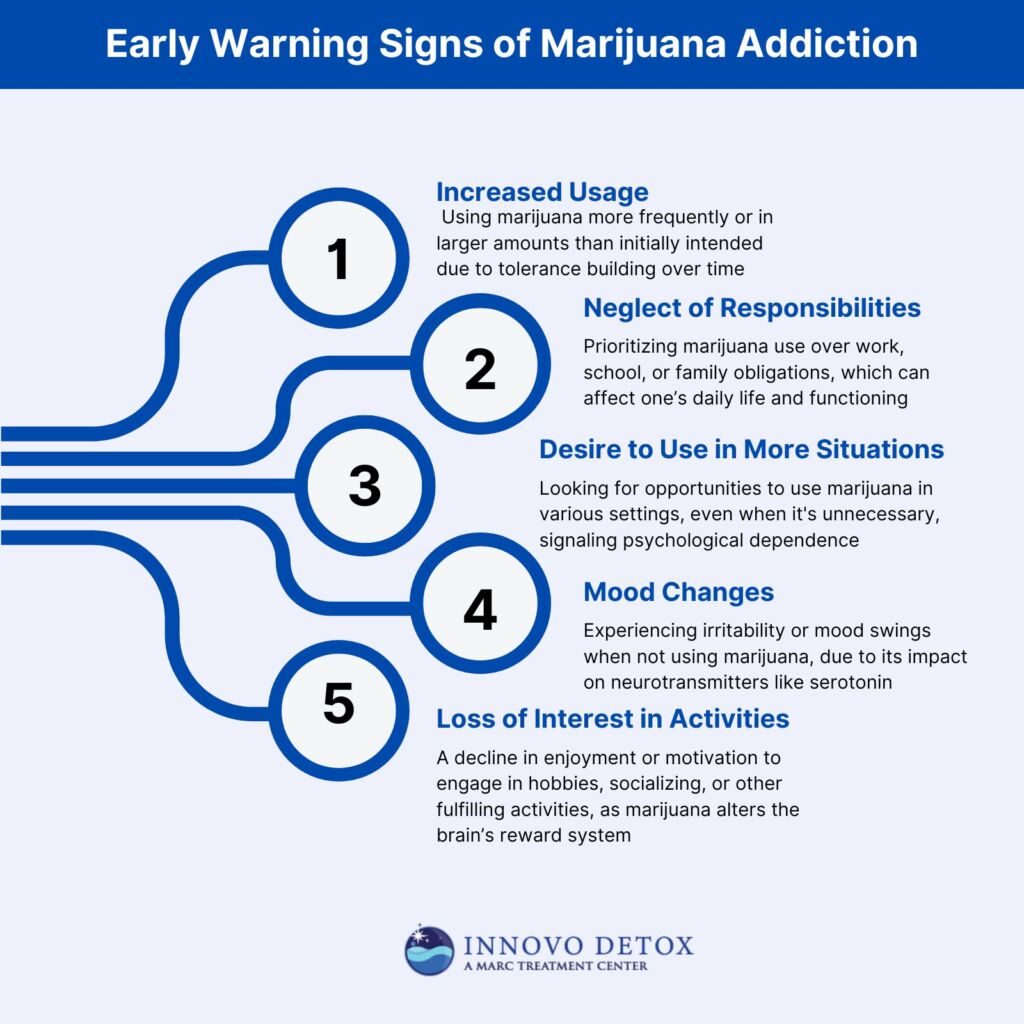
The early warning signs of marijuana addiction are as follows:
- Increased usage: Early-stage addiction involves using marijuana more frequently or in more significant amounts than initially intended. This is a common sign, as tolerance to THC builds over time. This is scientifically explained by the brain’s neuroplasticity, where repeated exposure to THC leads to changes in cannabinoid receptors, requiring more of the substance to achieve the same effects.
- Neglect of responsibilities: A subtle but significant sign is beginning to neglect work, school, or family obligations in favor of using marijuana. This is an early warning sign because marijuana’s effects on motivation and cognitive function reduce one’s ability to fulfill daily tasks due to the pleasure-seeking behavior associated with THC use.
- Desire to use in more situations: A person starts seeking opportunities to use marijuana in various settings, even when it isn’t necessary or appropriate. This behavior, though subtle, marks the early stages of psychological dependence, as the brain begins to associate marijuana use with relaxation or coping mechanisms, reinforcing the habit.
- Mood changes: Individuals experience mood swings or a sense of irritability when not using marijuana. This early emotional sign occurs because THC alters the brain’s regulation of neurotransmitters like serotonin, which impact mood stability, especially when a person is unable to use marijuana.
- Loss of interest in activities: An early sign of marijuana addiction is a decline in interest in activities that once brought joy, such as hobbies, exercise, or socializing. THC affects the brain’s reward system, diminishing the ability to feel pleasure from non-substance-related activities.
What Factors Make Adults Prone to Marijuana Addiction?
Factors that make adults prone to marijuana addiction include stress, peer pressure, genetics, and environmental influences. Adults face significant life stressors, such as work-related pressures, financial concerns, or relationship difficulties, which drive them to use marijuana as a coping mechanism.
Peer pressure, particularly among social circles where marijuana use is normalized, also increases the likelihood of addiction. Genetics play a role, as individuals with a family history of substance use disorders are 40% to 60% more susceptible to developing similar dependencies, as studied by Bevilacqua L. and Goldman D. in their research titled “Genes and addictions.”
Adults in high-stress occupations or those experiencing chronic mental health challenges, for example, turn to marijuana for relief, increasing their risk of addiction. According to the National Institute on Drug Abuse (NIDA), nearly 9% of individuals who use marijuana will become addicted, and this percentage increases significantly for those who start using at a younger age or have a family history of addiction.
How Does Marijuana Affect the Body and Mind?
Marijuana affects the body and mind by altering brain function and physical performance, creating lasting consequences. In the short term, marijuana use impairs memory, cognition, and motor coordination, leading to difficulty concentrating, slower reaction times, and altered judgment. These effects occur because tetrahydrocannabinol (THC), the psychoactive compound in marijuana, interacts with the brain’s cannabinoid receptors, disrupting normal neurotransmitter activity.
Long-term use of marijuana has more profound impacts on cognitive function, particularly in areas related to memory, learning, and decision-making. A study by the CDC titled “Cannabis and Brain Health” has shown that chronic marijuana use, especially when started in adolescence, leads to lasting reductions in IQ and difficulties with memory and cognitive processing.
Research published in JAMA Internal Medicine titled “Association Between Lifetime Marijuana Use and Cognitive Function in Middle Age – The Coronary Artery Risk Development in Young Adults (CARDIA) Study” found that long-term marijuana use impairs cognitive abilities, making it harder for individuals to retain information or perform complex tasks. The study also explains marijuana affects cardiovascular health by increasing heart rate and lowering blood pressure, and in some cases, it impairs lung function, especially when smoked.
What Are the Risks of Long-term Marijuana Use?
The risks of long-term marijuana use include respiratory issues, cognitive decline, and dependence. Chronic use of marijuana, especially when smoked, damages the lungs, leading to chronic bronchitis, coughing, and wheezing. In adults, prolonged marijuana use also impairs memory, learning, and decision-making abilities, as THC disrupts normal brain function and alters the structure of the hippocampus, a brain region involved in memory formation.
The study by Power E et al. 2021, titled “Intelligence quotient decline following frequent or dependent cannabis use in youth,” found that frequent or dependent cannabis use in youth is associated with a significant decline in IQ. A systematic review and meta-analysis of seven cohort studies involving 808 cases and 5,308 controls showed that youth who frequently used marijuana experienced an average IQ decline of approximately 2 points. This decline was statistically significant, with low statistical heterogeneity across studies.
Long-term use increases the risk of developing marijuana use disorder, with symptoms such as cravings, withdrawal, and the inability to stop using despite adverse consequences. These risks emphasize the potential long-term harm marijuana use has on both physical and mental health, particularly for adults who are already dealing with life stressors and responsibilities.
What Are the Symptoms of Marijuana Withdrawal?
The symptoms of marijuana withdrawal include anxiety, insomnia, irritability, and other physical and psychological effects that occur when a person stops using cannabis after prolonged use. These symptoms vary in severity but interfere with daily functioning and well-being.
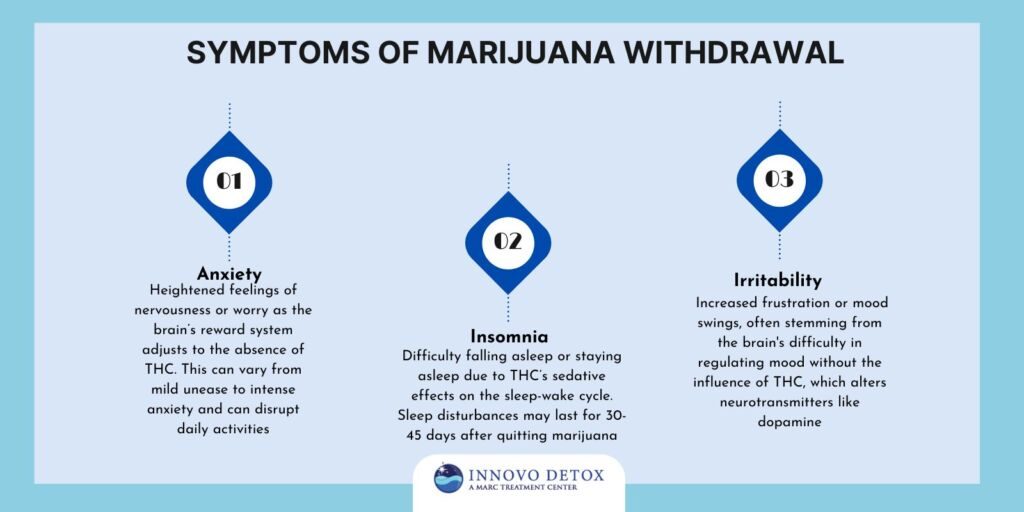
The symptoms of marijuana withdrawal are as follows:
- Anxiety: Anxiety is a common withdrawal symptom that occurs when the brain’s reward system, altered by THC use, no longer receives the same stimulation. This leads to heightened feelings of nervousness or worry. The severity ranges from mild unease to intense, disruptive anxiety. A study by Connor JP, Stjepanović D, Budney AJ, Le Foll B, Hall WD., et al. 2022, titled “Clinical management of cannabis withdrawal,” shows that individuals who are heavily dependent on marijuana experience heightened anxiety during withdrawal due to the absence of THC’s calming effects on the brain’s endocannabinoid system.
- Insomnia: Difficulty sleeping or insomnia is another prevalent symptom, with individuals struggling to fall asleep or stay asleep after quitting marijuana. THC has a sedative effect, and its absence disrupts sleep patterns. The severity of insomnia varies, but it is intense during the first few days of withdrawal. The scientific reason for this is that THC affects the brain’s sleep-wake cycle, and when usage stops, the body needs time to re-regulate its natural sleep processes. These sleep disturbances, including insomnia and experiencing strange dreams, persist for 30-45 days after stopping marijuana use, according to a study by Bolla KI. et al. 2008, titled “Sleep disturbance in heavy marijuana users.”
- Irritability: Irritability is a frequent and noticeable symptom of marijuana withdrawal, as individuals experience frustration or mood swings when they no longer have access to cannabis. This occurs because THC influences neurotransmitters like dopamine, which help regulate mood. Without the drug, the brain’s ability to balance emotions is disrupted, leading to increased irritability. Studies published in the DSM-5 titled “DSM-5 cannabis withdrawal syndrome: Demographic and clinical correlates in U.S. adults” note that irritability is a key diagnostic feature of cannabis withdrawal syndrome, indicating its prevalence and impact on daily life.
How Long Does Marijuana Withdrawal Last?
Marijuana withdrawal lasts for about 1 to 3 weeks, with the most acute symptoms occurring within the first week. During this time, individuals experience symptoms like anxiety, insomnia, and irritability. Some people experience lingering effects, such as mood swings or cravings, for several weeks to months. The duration of withdrawal varies based on factors such as the individual’s level of dependence, frequency of use, and overall health. Those who have used marijuana heavily or for an extended period experience a longer withdrawal process, while occasional users recover more quickly.
Is Marijuana Withdrawal Dangerous for Adults?
No, marijuana withdrawal is not usually life-threatening, but it is challenging and requires professional support. Adults experience severe anxiety, depression, irritability, and sleep disturbances during withdrawal, which are challenging to manage without guidance. Research by Urits I et al. 2020, titled “Cannabis Use and its Association with Psychological Disorders,” has shown that marijuana withdrawal exacerbates pre-existing mental health conditions and leads to psychological distress. For instance, a study published in JAMA Psychiatry titled “Association of Depression and Anxiety With the Accumulation of Chronic Conditions” highlighted the increased risk of anxiety and depressive symptoms during withdrawal. Seeking professional help provides effective strategies to cope with these symptoms and ensure a safer recovery process.
What Are the Best Treatment Approaches for Marijuana Addiction?
The best treatment approaches for marijuana addiction are evidence-based methods such as medical detox, cognitive behavioral therapy, motivational enhancement therapy, medication, family therapy, and support groups. These approaches address withdrawal symptoms, behavioral patterns, and social support to promote lasting recovery. According to research from the CDC, 3 out of 4 people (75%) recover from addiction, but recovery varies widely from person to person.
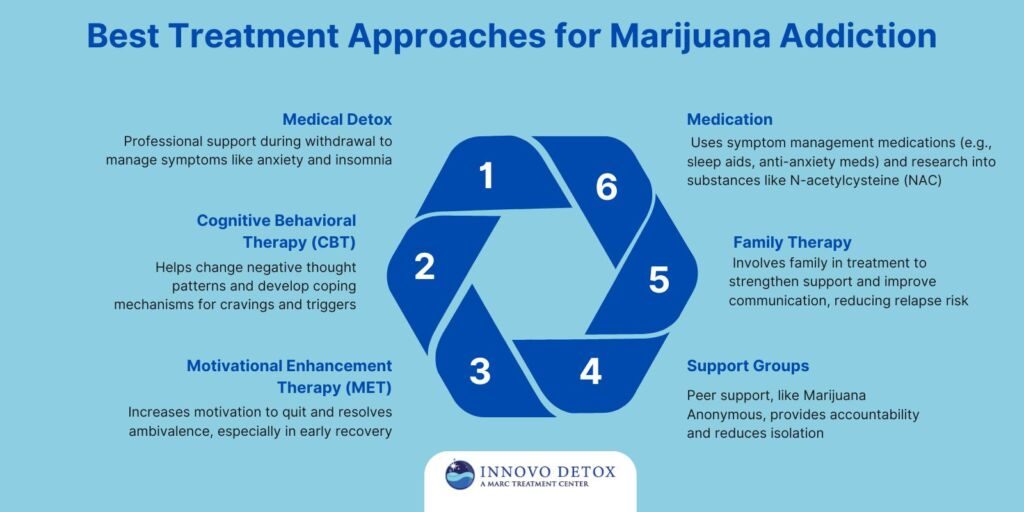
The best treatment approaches for marijuana addiction are as follows:
1. Medical Detox
Medical detox manages withdrawal symptoms such as anxiety, irritability, and insomnia, especially in severe cases of addiction. This process involves professional monitoring and intervention to ensure safety and comfort during withdrawal. A clinical study in the Substance Abuse and Mental Health Services Administration (SAMHSA) titled “Detoxification and Substance Abuse Treatment” found that medically supervised detox significantly reduces the severity and duration of withdrawal symptoms, improving the likelihood of successful recovery.
Medical detox is particularly effective for individuals with co-occurring mental health disorders or high dependence on marijuana. According to NIDA, the success rate for many drug rehab programs is less than 25%, but 90-day programs at medical detox centers have higher success rates.
2. Cognitive Behavioral Therapy (CBT)
CBT helps individuals identify and change negative thought patterns and behaviors associated with marijuana use. This evidence-based approach teaches coping mechanisms to handle cravings and avoid relapse triggers. Studies, such as one published in The American Journal of Psychiatry by McHugh RK, Hearon BA, Otto MW. et al. 2010, titled “Cognitive behavioral therapy for substance use disorders,” show that CBT is highly effective in helping adults with marijuana addiction, with participants reporting reduced usage and improved emotional regulation.
CBT promotes long-term recovery by addressing underlying cognitive distortions. According to VerywellMind, cognitive behavioral therapy (CBT) has a success rate of around 60% for helping people maintain recovery from substance use disorders for a year.
3. Motivational Enhancement Therapy (MET)
MET focuses on enhancing an individual’s motivation to quit marijuana by resolving ambivalence and fostering self-efficacy. This therapy is beneficial in the early stages of recovery, helping individuals commit to change. According to the Treatment Manual by the Substance Abuse and Mental Health Services Administration (SAMHSA), MET is successful in increasing treatment engagement and maintaining abstinence in individuals struggling with substance use disorders.
4. Medication
While no FDA-approved medications specifically target marijuana addiction, certain drugs are used for symptom management during withdrawal. For example, sleep aids and anti-anxiety medications help alleviate insomnia and anxiety. Ongoing research explores the potential of N-acetylcysteine (NAC) to reduce cravings and improve recovery outcomes. Symptom management through medication supports individuals during the most challenging phases of withdrawal.
5. Family Therapy
Family therapy improves outcomes by building a strong support system and addressing relational dynamics that contribute to addiction. This approach helps families understand the challenges of marijuana addiction while encouraging communication and mutual accountability. A study by Hogue A. et al. 2021, titled “Family involvement in treatment and recovery for substance use disorders among transition-age youth: Research bedrocks and opportunities,” shows that family involvement significantly increases the likelihood of sustained recovery by reducing relapse rates and improving emotional well-being.
6. Support Groups
Peer support groups, such as Marijuana Anonymous, promote accountability and reduce isolation. These groups provide a safe space for individuals to share experiences, learn from others, and build community. Research by Tracy K, Wallace SP. et al. 2016, titled “Benefits of peer support groups in the treatment of addiction,” indicates that regular participation in support groups enhances long-term abstinence rates and helps individuals maintain motivation throughout the recovery journey.
Is Outpatient Treatment Effective for Marijuana Addiction?
Yes, outpatient treatment is effective for marijuana addiction, particularly for individuals with mild to moderate severity of dependence. It offers flexibility, allowing patients to continue with work or family responsibilities while attending therapy sessions. Outpatient care focuses on evidence-based methods like Cognitive Behavioral Therapy (CBT) and Motivational Enhancement Therapy (MET), which have been shown to reduce marijuana use significantly.
A comparative study from SAMHSA titled “Treatment Considerations for Youth and Young Adults with Serious Emotional Disturbances and Serious Mental Illnesses and Co-occurring Substance Use” highlighted that outpatient care is as effective as inpatient care for less severe cases but not provide adequate support for those with severe addiction or co-occurring mental health conditions. For such individuals, inpatient care is more appropriate with its structured and immersive environment.
How Long Does Marijuana Addiction Treatment Take?
Marijuana addiction treatment takes a few weeks for outpatient care to several months for more intensive inpatient programs, according to a study by Connor, J.P. et al. 2021, titled “Clinical management of cannabis withdrawal.” Outpatient treatments focusing on therapy and counseling last 8–12 weeks, while inpatient programs extend to 3–6 months, depending on the severity of addiction and co-occurring issues.
Long-term recovery usually requires ongoing support through aftercare programs, such as support groups, which continue for years. Personalized care ensures that treatment duration is customized to the individual’s needs, optimizing effectiveness.
Can Adults Recover From Marijuana Addiction Without Professional Help?
Yes, adults can recover from marijuana addiction without professional help, but it is challenging and less likely to succeed compared to structured interventions. Self-recovery involves managing withdrawal symptoms, cravings, and behavioral triggers alone, which leads to a high risk of relapse.
Professional help provides important tools like therapy, medication, and support systems, which improve recovery outcomes. Seeking help is particularly necessary for individuals with severe dependence or co-occurring mental health issues, where self-recovery does not address underlying factors effectively.
How Can You Prevent Relapse During Marijuana Addiction Recovery?
You can prevent relapse during marijuana addiction recovery by implementing effective strategies that address psychological, social, and environmental triggers. These methods help maintain long-term recovery and reduce the risk of recurrence, which is a common challenge, with relapse rates for marijuana addiction in adults ranging from 10–20% in the U.S, according to a study by Kadden RM et al. et al. 2007, titled “Abstinence rates following behavioral treatments for marijuana dependence.”
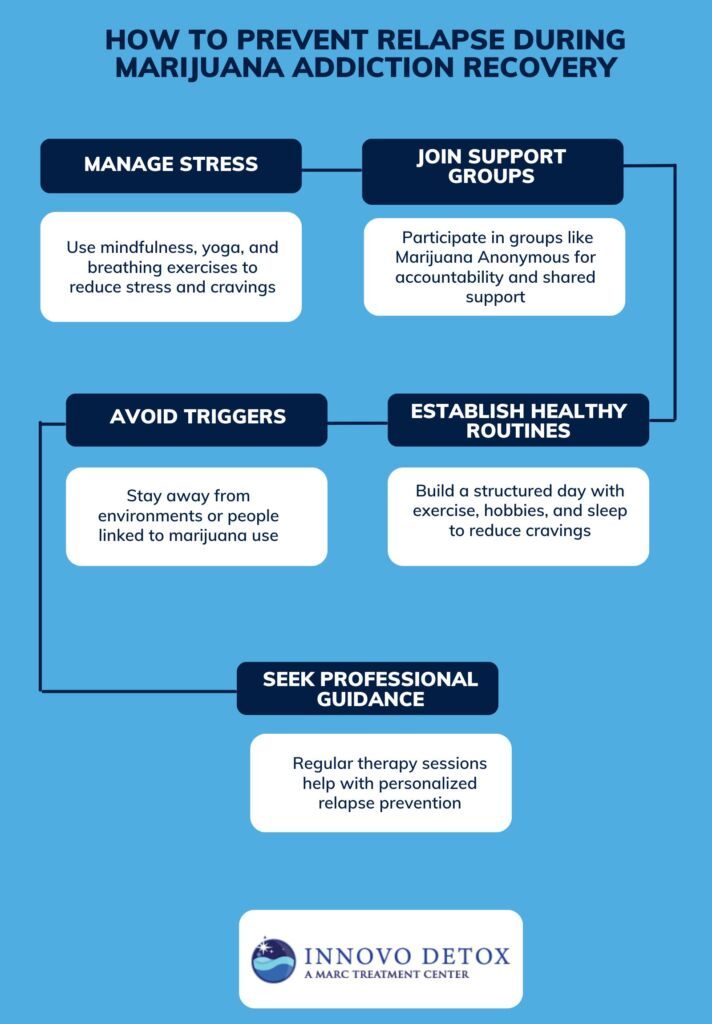
To prevent relapse during marijuana addiction recovery, follow the below-mentioned strategies:
- Managing Stress: Stress is one of the leading triggers for relapse, making stress management important during recovery. Techniques like mindfulness meditation, yoga, and breathing exercises help regulate emotional responses and reduce cravings. A study by the American Psychological Association answers how to prevent relapse during addiction recovery by explaining that stress-reduction methods, especially mindfulness meditation, significantly lower the likelihood of relapse by reducing stress and promoting emotional stability and resilience.
- Participating in Support Groups: Peer support groups, such as Marijuana Anonymous, provide a sense of community and accountability, which are necessary for relapse prevention. These groups offer a platform to share experiences and learn coping mechanisms from others facing similar challenges. Individuals who actively participate in support groups are less likely to relapse compared to those who recover alone.
- Avoiding Triggers: Identifying and avoiding triggers, such as environments, people, or activities associated with marijuana use, is necessary. For example, steering clear of social settings where marijuana is present helps reduce temptation. Behavioral therapy aids in understanding personal triggers and developing strategies to mitigate their impact.
- Establishing Healthy Routines: Building a structured daily routine that includes exercise, hobbies, and regular sleep patterns helps maintain focus and reduce idle time, which might lead to cravings. Physical activity, in particular, has been shown to reduce marijuana cravings by enhancing mood and promoting overall well-being.
- Seeking Professional Guidance: Regular therapy sessions or check-ins with a counselor help individuals stay on track and address challenges as they arise. Therapists provide personalized relapse prevention strategies and tools to manage cravings effectively. A study by McKay JR. et al. 2021, titled “Impact of Continuing Care on Recovery From Substance Use Disorder,” indicates that individuals receiving ongoing professional support have significantly lower relapse rates.
What Factors Contribute to the High Relapse Rate in Marijuana Addiction Recovery?
The factors that contribute to high relapse rate in marijuana addiction recovery are linked to social pressures, insufficient treatment, and untreated mental health conditions. Social environments that normalize or encourage marijuana use, such as peer groups or family settings where the substance is prevalent, trigger cravings and undermine recovery efforts. Insufficient treatment, particularly programs that fail to address the psychological aspects of addiction or provide long-term support, leaves individuals vulnerable to relapse.
Untreated mental health conditions, such as anxiety, depression, or co-occurring mental health disorders, further increase the risk, as individuals turn to marijuana to self-medicate. Research by the National Institutes on Drug Abuse (US), titled “Common Comorbidities with Substance Use Disorders Research Report,” shows that nearly 40–60% of individuals relapse due to these combined factors, emphasizing the need for comprehensive, evidence-based treatment plans that address both psychological and social influences on addiction recovery.
Can Marijuana Addiction Be Fully Treated?
No, Marijuana addiction cannot be treated fully in the traditional sense, though it can be managed effectively through long-term management strategies. Recovery from marijuana addiction is a lifelong process rather than a one-time cure. Individuals achieve a substance-free life by addressing underlying psychological and behavioral factors through therapy, support groups, and lifestyle changes.
According to the National Institute on Drug Abuse (NIDA), recovery involves building coping mechanisms to prevent relapse and maintaining sobriety over time. It emphasizes that while cravings or triggers persist, effective treatment significantly reduces their impact, enabling individuals to lead productive and fulfilling lives without marijuana.
How Can Marijuana Addiction Be Prevented?
Marijuana addiction can be prevented by focusing on proactive measures such as education, awareness, and fostering healthy decision-making habits. Preventative strategies address the root causes of substance misuse while equipping individuals with tools to resist peer pressure and manage stress effectively. Evidence-based programs, such as those promoted by SAMHSA and state public health campaigns, have shown promising results in reducing marijuana misuse, particularly among high-risk groups like adolescents and young adults.
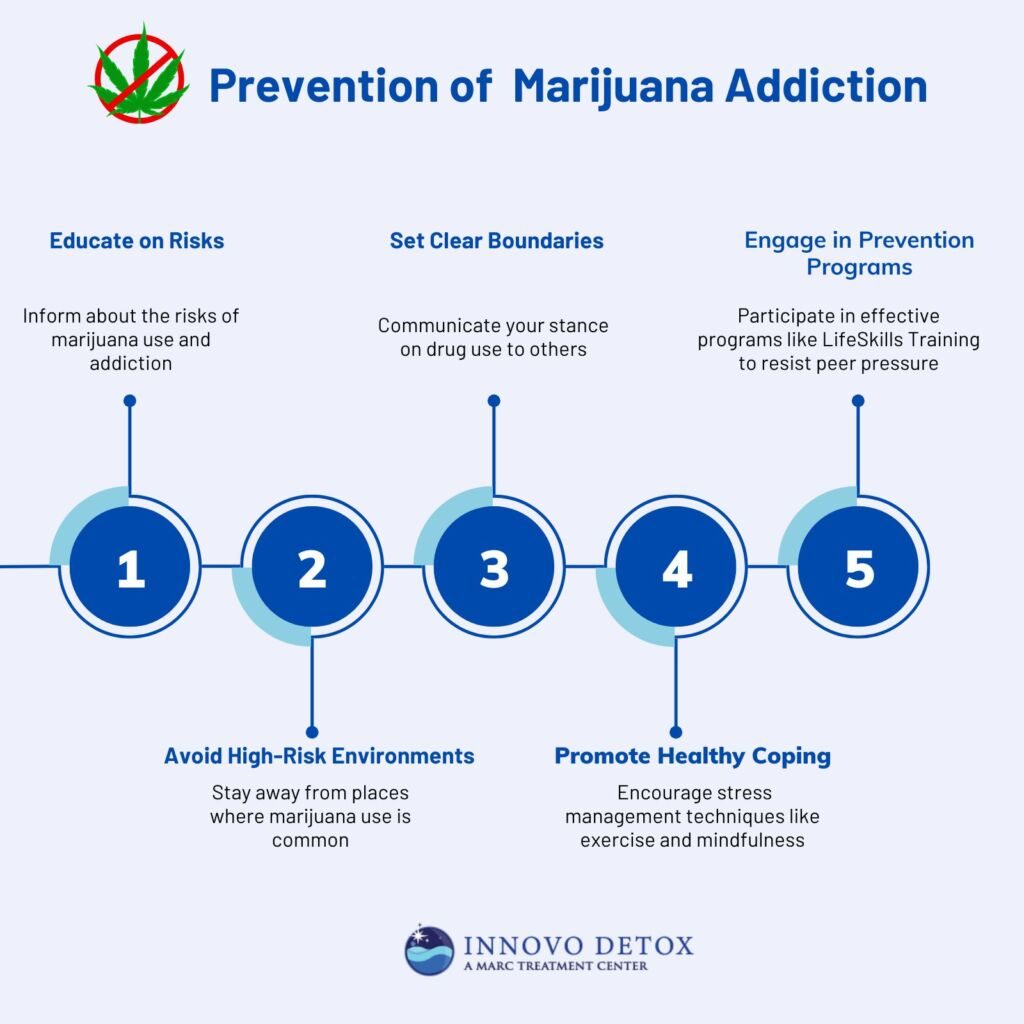
The following methods can prevent marijuana addiction:
- Educating Individuals on Risks: Providing accurate information about the risks of marijuana use, including the potential for addiction and its impact on mental and physical health, is necessary. Educational initiatives in schools and community programs have been shown to reduce substance use rates. For example, the CDC reports that comprehensive drug education programs lower the likelihood of marijuana use in teens by up to 30%.
- Avoiding High-Risk Environments: Steering clear environments where marijuana use is normalized or encouraged significantly decreases the risk of developing a dependency. High-risk settings, such as social gatherings with frequent cannabis use, amplify peer pressure. Creating a supportive network of like-minded individuals promotes accountability and reduces exposure to triggers.
- Setting Clear Boundaries: Establishing personal boundaries regarding drug use helps individuals resist social pressures. For instance, adults in recovery or those at risk benefit from openly communicating their stance on substance use to family and friends. Programs like Pennsylvania’s substance misuse prevention initiatives emphasize personal responsibility as a key factor in reducing addiction rates.
- Promoting Healthy Coping Mechanisms: Encouraging stress management techniques such as exercise, mindfulness, and professional counseling reduces reliance on substances like marijuana as a coping tool. Research from SAMHSA titled “Key Ingredients for Successful Trauma-Informed Care Implementation” highlights that individuals who adopt these practices are less likely to turn to drugs during challenging times.
- Engaging in Evidence-Based Prevention Programs: Participating in programs like LifeSkills Training and Strengthening Families has been proven effective in reducing marijuana use among young people. These initiatives provide practical strategies for resisting peer pressure, building resilience, and fostering family communication. Evidence from Pennsylvania’s youth-focused prevention campaigns shows a 25% decrease in cannabis initiation rates among program participants, as mentioned in the study titled “Penn State team leads effort to prevent youth substance misuse in PA,” published on the Penn State official website.
What Are the Risks of Recreational Marijuana for Adults?
The risks of recreational marijuana for adults are significant and include impaired judgment, the potential for dependence, and long-term health consequences. Recreational marijuana refers to cannabis use for non-medical purposes for its psychoactive effects caused by tetrahydrocannabinol (THC). While legal for recreational use in many U.S. states, marijuana remains federally illegal, and its use is associated with various adverse outcomes. Legalization does not eliminate these risks, emphasizing the need for education and awareness to minimize harm among adult users.
Impaired judgment from THC leads to accidents, particularly when operating vehicles, with studies showing that marijuana use doubles the risk of motor vehicle crashes. According to a study by Volkow ND, Baler RD, Compton WM, Weiss SR, et al. 2014, “Adverse health effects of marijuana use” dependence, or cannabis use disorder, affects approximately 9% of adults who use marijuana, increasing to 17% among those who begin use during adolescence. Long-term health risks include cognitive decline, particularly in memory and attention, and respiratory issues caused by inhalation. Heavy use has been linked to an increased risk of mental health conditions such as anxiety and depression.
Is Marijuana Addiction Different From Alcohol and Opioid Addiction?
Marijuana addiction differs from alcohol addiction and opioid addiction because it typically involves less severe physical dependence and milder withdrawal symptoms, resulting in unique treatment approaches and differing societal perceptions. While alcohol and opioids are known for their high potential for severe dependence and life-threatening withdrawal symptoms, marijuana addiction manifests more subtly, with psychological dependence playing a more significant role. This distinction influences how each substance is perceived, managed, and treated within society and healthcare systems.
Marijuana addiction is different from alcohol and opioid addiction in the following ways:
| Aspect | Marijuana Addiction | Alcohol Addiction | Opioid Addiction |
| Physical Dependence | Mild, primarily psychological | Moderate to severe, including physical cravings | Severe, with a high potential for physical dependence |
| Addiction Severity | It is lower but still impactful | Moderate to high, with extensive social impact | Very high, leading to overdose and mortality |
| Withdrawal Symptoms | Mild (e.g., irritability, insomnia) | Moderate to severe (e.g., delirium tremens) | Severe (e.g., intense cravings, flu-like symptoms) |
| Treatment Approaches | Behavioral therapies (CBT, MET) | Detox, medication, behavioral therapies | Medication-assisted treatment (e.g., methadone), behavioral therapies |
| Social Perception | Increasingly normalized, less stigmatized | Mixed, depending on the context | High stigma due to overdose crisis and dependency rates |
What Should You Do If Your Loved Ones Have a Marijuana Addiction?
If your loved ones have a marijuana addiction, you should approach the situation with empathy and support while encouraging professional marijuana addiction treatment and avoiding enabling behaviors. It’s important to have an open, non-judgmental conversation to express concern without being confrontational. Intervention is necessary, especially if the addiction is severe, but it should be done in a way that focuses on the individual’s well-being rather than on blame.
If your loved ones have a marijuana addiction, you should do the following things:
- Have an open conversation: Approach them with compassion and express your concerns without accusation. Encourage them to talk about their experiences.
- Encourage professional help: Suggest counseling or support groups and offer to help them find professional marijuana addiction treatment. Treatment options like cognitive behavioral therapy (CBT) are highly effective.
- Set clear boundaries: Avoid enabling behaviors that allow the addiction to persist. This includes not providing financial support for their drug use or excusing their actions.
- Offer emotional support: Be patient and supportive, but understand that recovery takes time. Reassure them that recovery is possible.
- Consider an intervention: In cases of severe addiction, a professional interventionist helps facilitate a structured conversation and guide the person toward treatment.
Are There Local Resources for Marijuana Addiction Recovery in Pennsylvania?
Yes, there are local resources for marijuana addiction recovery in Pennsylvania. The state offers a variety of treatment centers, support groups, and hotlines to assist individuals seeking help.
The support groups and hotlines in Pennsylvania are as follows:
- Pennsylvania Substance Use Disorder Helpline: A confidential, 24/7 helpline offering information and support for individuals seeking help with substance use disorders.
- National Helpline for Substance Abuse and Mental Health Services: Provides free, confidential assistance for individuals and families facing mental and/or substance use disorders.