
Patients use certain shampoos during drug detox because specialized cleansing formulas help remove toxins from hair, soothe scalp irritation, prevent dryness, and support hair health during the withdrawal process. While detox primarily targets internal systems, external care products, such as shampoos, play a supportive role in improving comfort and confidence as the body adjusts.
Drug detox is physically and mentally demanding, causing discomfort, sweating, and chemical imbalances that affect the skin and scalp. The use of shampoos designed for detox supports patients by cleansing hair follicles, reducing irritation, and restoring moisture. In some cases, detox shampoos also help with issues like excess oil production or temporary hair loss caused by medication-assisted treatment.
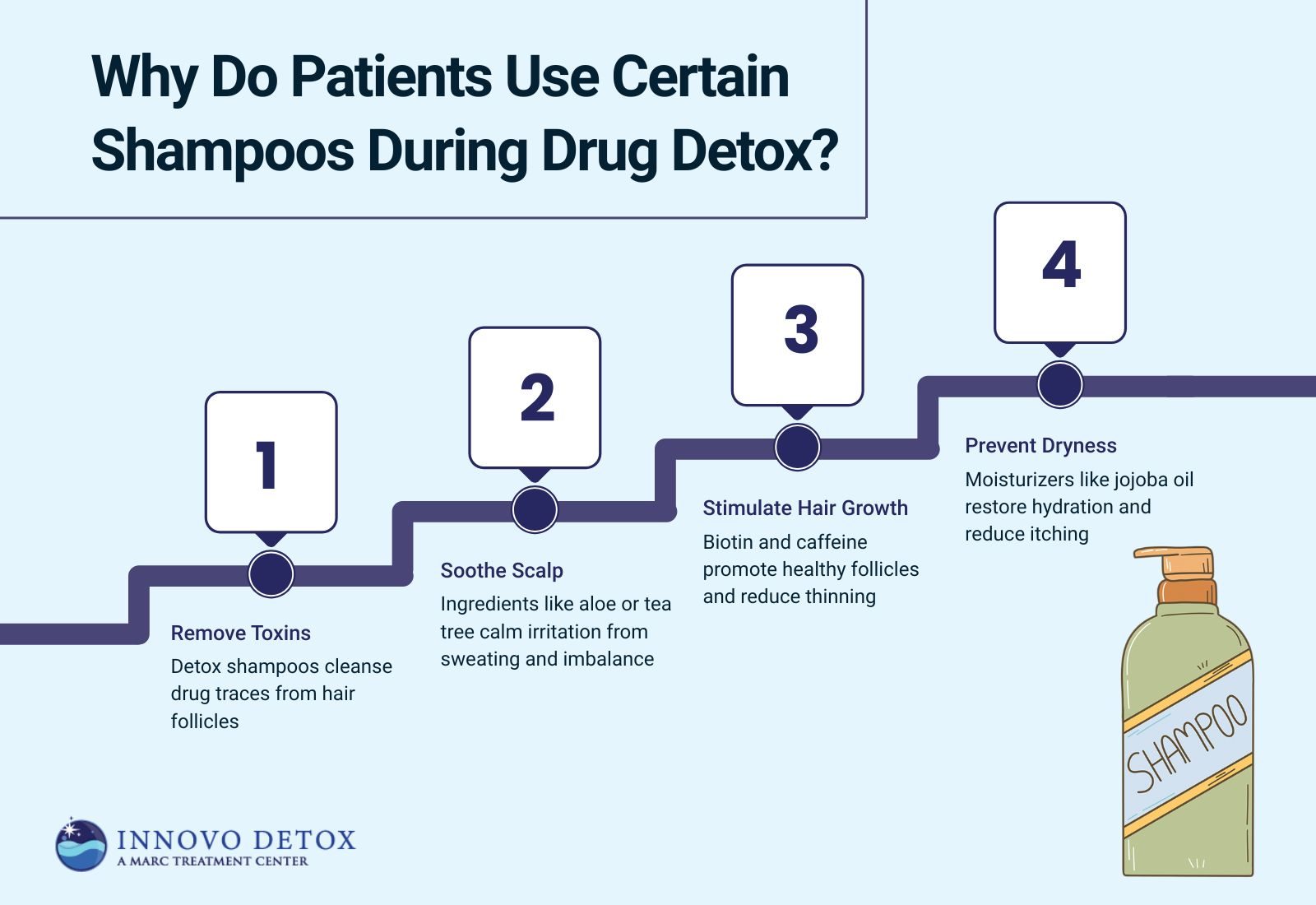
Patients use certain shampoos during drug detox for the following reasons:
Remove Toxins During Detox
Patients use shampoo to remove toxins during detox because hair follicles retain traces of drugs and chemicals for weeks. Specialized detox shampoos contain cleansing agents that penetrate the scalp and hair shaft, breaking down drug residues such as cocaine, heroin, or meth.
Patients reduce the risk of reabsorption and feel cleaner and more refreshed by rinsing these substances away. Unlike ordinary shampoos, detox-specific formulas include conditioning elements to protect hair from brittleness, ensuring that cleansing does not compromise scalp health. This detox aid is especially valuable for patients undergoing home-based programs, where external hygiene routines improve both comfort and mental focus.
Soothe the Scalp During Detox
Patients use shampoo to soothe the scalp during detox because sweating, chemical imbalance, and dehydration leave the skin itchy, flaky, and irritated. Shampoos formulated with natural ingredients such as chamomile, tea tree oil, or aloe vera provide cooling relief and reduce inflammation.
This scalp care helps alleviate some withdrawal-related symptoms, making detox more tolerable. For patients struggling with dryness, gentle clarifying shampoos remove buildup without stripping away natural oils. Since scalp discomfort heightens stress during detox, soothing shampoos indirectly support emotional well-being by creating a sense of physical relief and self-care.
Stimulate Hair Growth During Detox
Patients use shampoo to stimulate hair growth during detox because withdrawal and medication-assisted treatments such as methadone or buprenorphine sometimes trigger hair thinning. Detox shampoos with active ingredients like biotin, caffeine, or salicylic acid cleanse clogged pores, regulate scalp oil, and promote healthier follicle function.
These shampoos help restore the natural growth cycle by supporting circulation and reducing oil buildup. Patients also combine detox shampoos with nutritional supplements like B-12 or omega-3 fatty acids, strengthening hair from within. Addressing hair health during detox provides psychological benefits as well, since visible hair loss or thinning negatively impacts self-esteem during recovery.
Prevent Dryness During Detox
Patients use shampoo to prevent dryness during detox because withdrawal causes dehydration and nutrient loss, leading to brittle hair and an itchy scalp. Moisturizing shampoos with jojoba oil, aloe vera, or vitamin E restore hydration and soothe irritation.
Aloe vera is widely known for its ability to balance oil production, reduce dandruff, and relieve itching. Jojoba oil nourishes both the scalp and hair follicles, improving elasticity and preventing breakage. Patients minimize discomfort and enhance scalp resilience, making detox less physically taxing.
What Types of Shampoos Are Commonly Used During Detox?
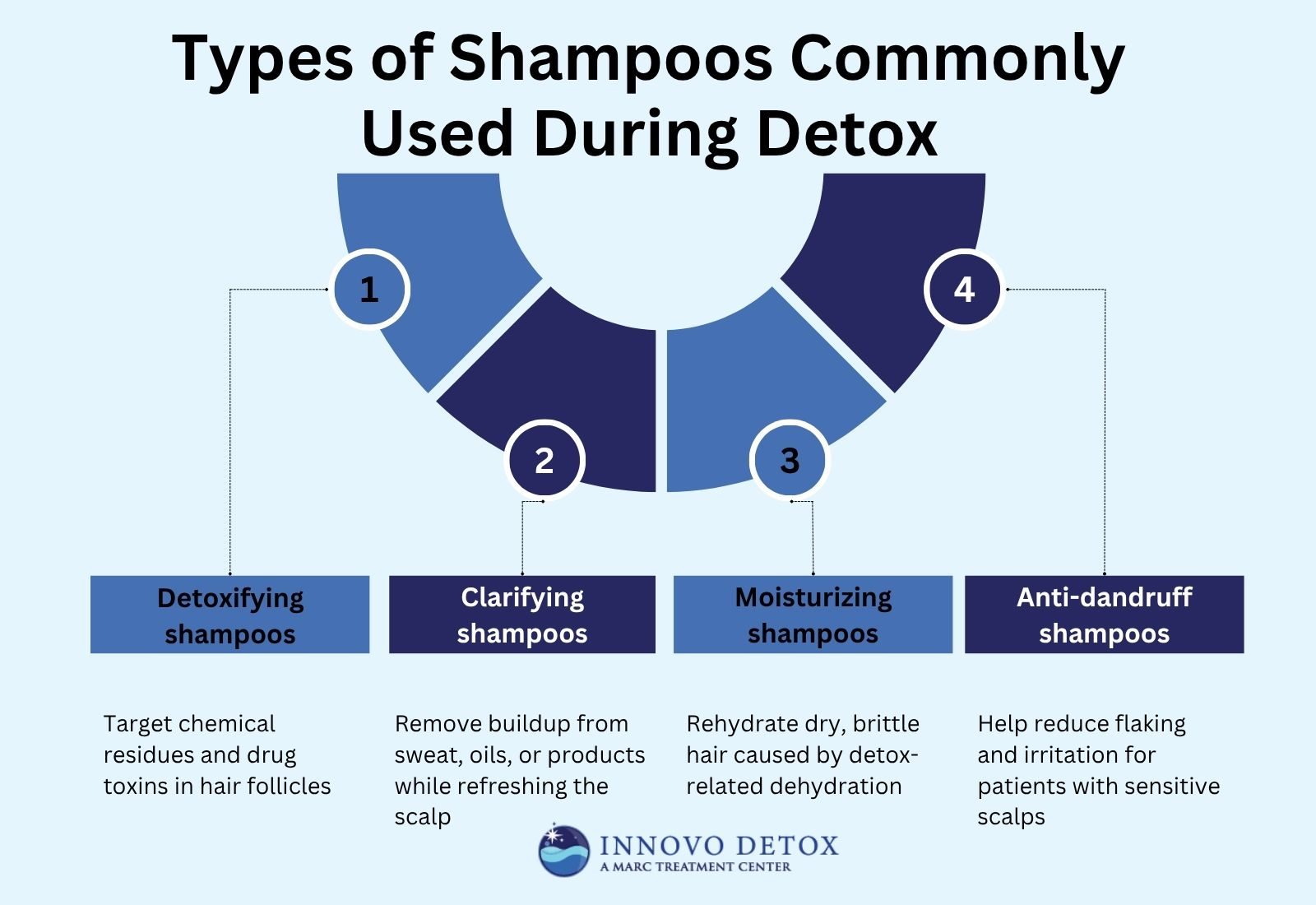
The types of shampoos commonly used during detox include:
- Detoxifying shampoos: Target chemical residues and drug toxins in hair follicles.
- Clarifying shampoos: Remove buildup from sweat, oils, or products while refreshing the scalp.
- Moisturizing shampoos: Rehydrate dry, brittle hair caused by detox-related dehydration.
- Anti-dandruff shampoos: Help reduce flaking and irritation for patients with sensitive scalps.
Each shampoo type serves a specific purpose, and patients rotate products depending on their detox stage and symptoms. Consulting with a healthcare provider or addiction recovery specialist ensures safe product use aligned with overall treatment.
How Does Self-Care Support Recovery During Detox?
Self-care supports recovery during detox by reducing stress, improving comfort, and promoting a sense of control. Simple routines like scalp care, hydration, and gentle exercise complement medical treatment by keeping the body balanced. Maintaining personal hygiene, including hair care, enhances emotional resilience, which is critical for patients navigating the challenges of withdrawal.
What Role Do Nutrition and Supplements Play in Hair and Scalp Health During Detox?
Nutrition and supplements play a role in hair and scalp health during detox by replenishing vitamins and minerals lost through substance use. B vitamins, zinc, and omega-3 fatty acids strengthen hair follicles, while hydration improves elasticity. Combined with detox shampoos, proper nutrition accelerates the recovery of scalp and hair vitality.
Why Is Comfort Management Important During Drug Detox?
Comfort management is important during drug detox because withdrawal can produce symptoms such as sweating, skin irritation, and fatigue. Using targeted products like detox shampoos, moisturizing creams, and herbal remedies helps ease these effects. When patients feel physically better, they are more likely to complete detox programs successfully.
Which Substances Stay in Hair Follicles the Longest During Detox?
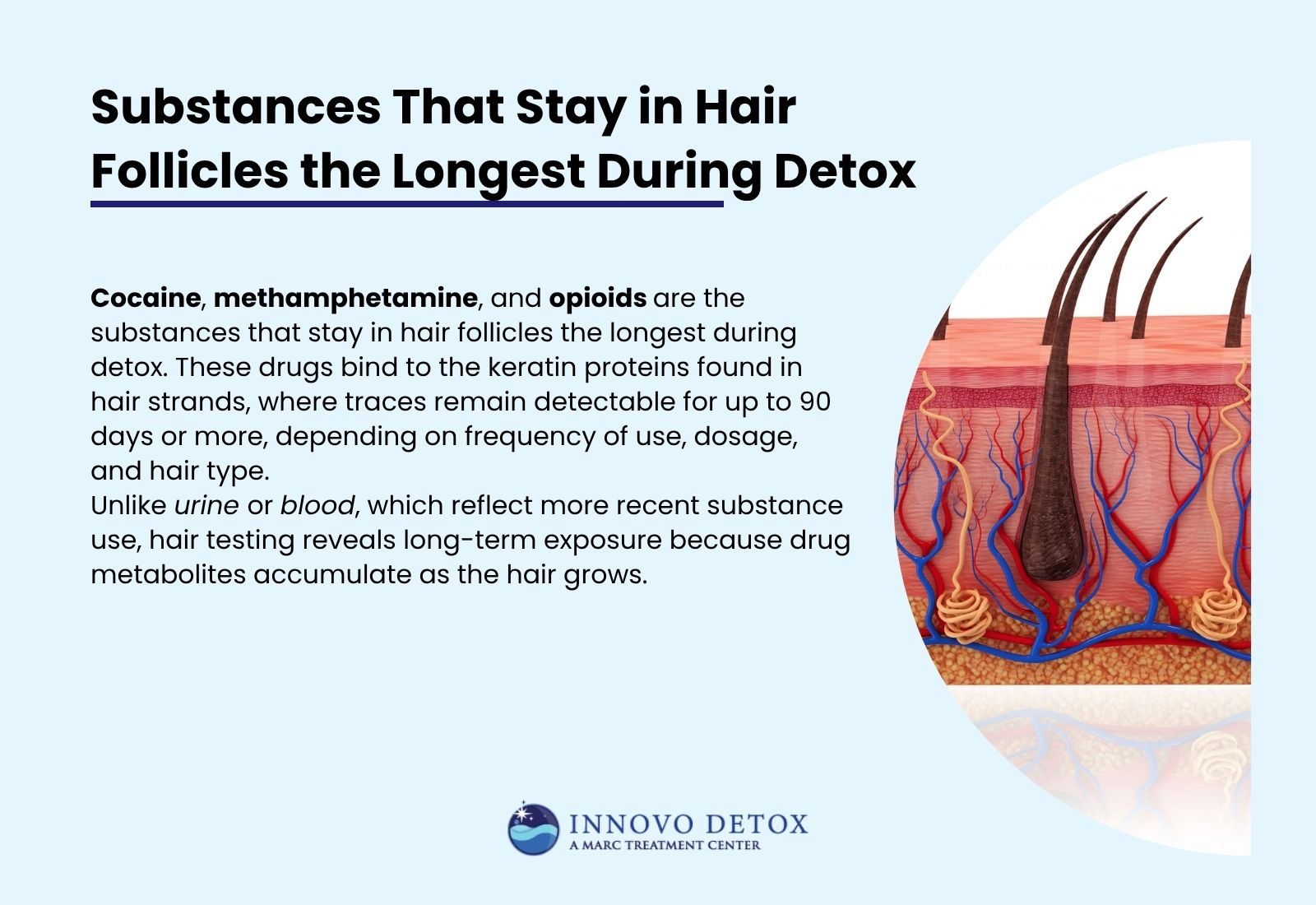
Cocaine, methamphetamine, and opioids are the substances that stay in hair follicles the longest during detox. These drugs bind to the keratin proteins found in hair strands, where traces remain detectable for up to 90 days or more, depending on frequency of use, dosage, and hair type. Unlike urine or blood, which reflect more recent substance use, hair testing reveals long-term exposure because drug metabolites accumulate as the hair grows.
How Long Does It Take to Detox?
Detox takes between 3 and 10 days, depending on the substance used, the duration of use, and an individual’s overall health. For some drugs, such as alcohol, opioids, and benzodiazepines, detox extends up to two weeks or more, as the body gradually clears toxins and adjusts to functioning without the substance.
Different substances follow distinct detox timelines; stimulants like cocaine or meth clear faster (3–5 days), while opioids and alcohol require a longer period due to stronger physical dependence and withdrawal symptoms.