Withdrawal symptoms occur when the brain and body, once adapted to constant substance exposure, struggle to regain balance. The causes of drug withdrawal include neurotransmitter disruption, receptor tolerance, stress system activation, and physical dependence. Substances most likely to trigger withdrawal include alcohol, opioids, benzodiazepines, and nicotine.
Symptoms of drug withdrawal appear across three domains: emotional and psychological changes, physical discomfort, and severe complications such as seizures or delirium tremens. Duration of withdrawal symptoms varies by substance, with some individuals also facing post-acute withdrawal syndrome (PAWS). Detox without supervision is dangerous, making medical oversight essential, particularly for alcohol and benzodiazepine withdrawal.
Safe withdrawal management involves assessment, stabilization, medications, continuous monitoring, and preparation for ongoing care. Evidence-based treatments reduce relapse risks and improve long-term recovery outcomes. In Pennsylvania, more than 5,400 overdose deaths occurred in 2022, according to the CDC, underscoring the need for accessible detox services and structured support to promote safe recovery.
What Are the Causes of Withdrawal Symptoms?
The causes of withdrawal symptoms stem from the body’s adaptation to chronic substance exposure. When a person uses drugs or alcohol over time, the brain and nervous system adjust to maintain stability. Once the substance stops, these physiological systems are thrown off balance, producing withdrawal signs.
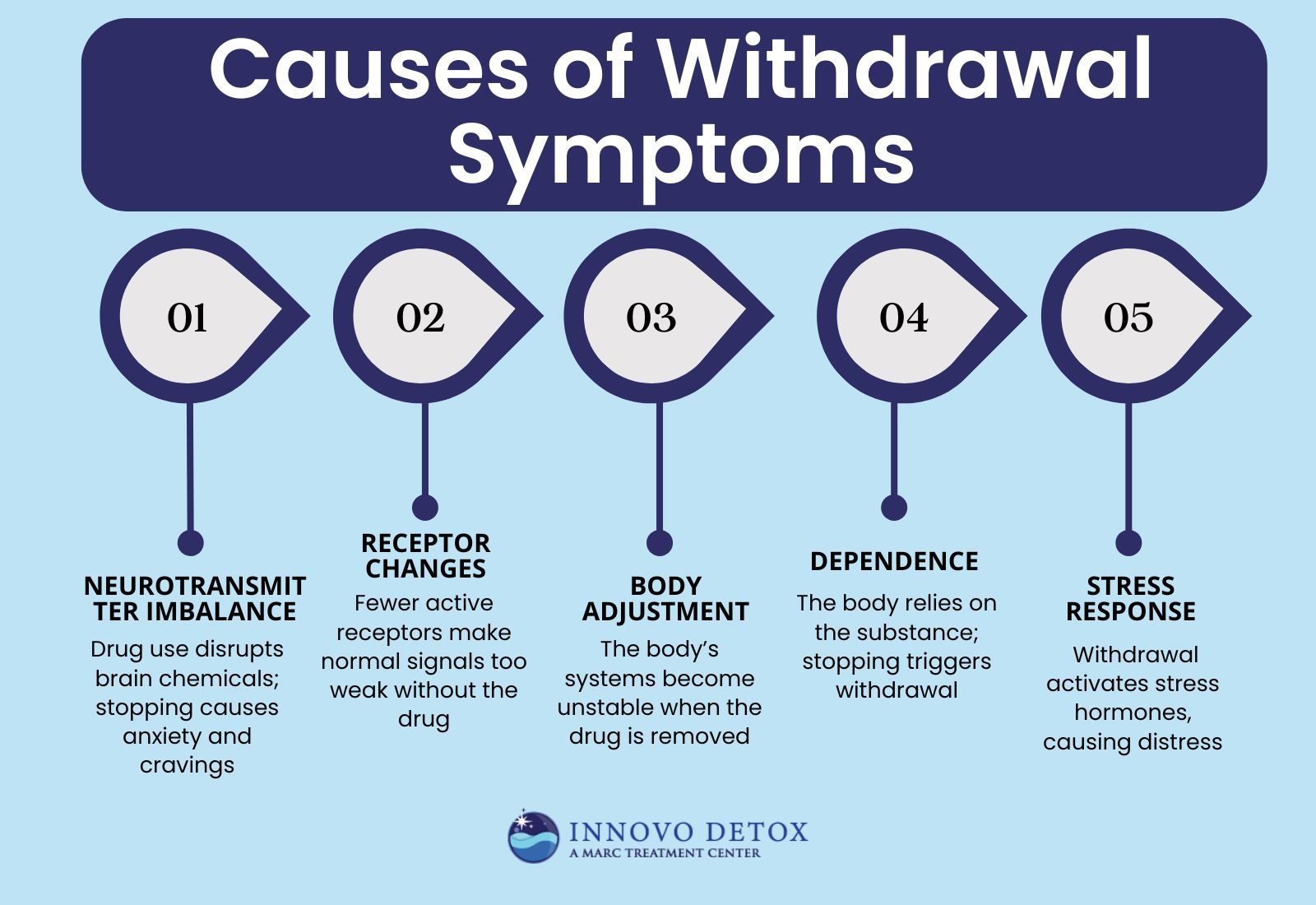
The causes of withdrawal symptoms are as follows:
- Neurotransmitter imbalance: Chronic substance use downregulates or overstimulates neurotransmitter systems like dopamine and GABA, and when the drug is removed, the imbalance triggers anxiety, cravings, and tremors.
- Receptor tolerance and downregulation: The brain reduces receptor sensitivity or quantity to compensate for excess stimulation; when substance use ceases, normal signals feel weak, leading to withdrawal discomfort.
- Homeostatic adaptation: The body’s internal regulatory mechanisms (e.g., blood pressure, heart rate, temperature) adjust to the presence of the substance, and without it, these systems overshoot or fluctuate, causing physiological symptoms.
- Physical dependence: Long-term use leads the body to rely on the substance to maintain baseline functioning, so abrupt cessation forces the body into a shock state, manifesting as withdrawal.
- Stress system hyperactivation: Withdrawal activates the hypothalamic-pituitary-adrenal (HPA) axis and stress hormones (e.g., cortisol). This increases anxiety, irritability, and physiological distress as studied by Adinoff B, et al. 1998, in a study titled “Disturbances of the stress response: the role of the HPA axis during alcohol withdrawal and abstinence.”
Which Substances Commonly Trigger Withdrawal?
The substances that commonly trigger withdrawal include alcohol, opioids, benzodiazepines, stimulants, and nicotine. Prescription medications such as painkillers and anti-anxiety drugs also cause withdrawal when misused or stopped abruptly.
Each substance has its own withdrawal timeline and risk profile, with alcohol and benzodiazepines being particularly dangerous without medical supervision.
What Does Withdrawal Feel Like?
Withdrawal feels different for each person, but it involves both physical discomfort and emotional distress. Many describe withdrawal as an overwhelming mix of cravings, body aches, restlessness, and unstable moods. The intensity of withdrawal depends on the substance used, the length of addiction, and the individual’s overall health.
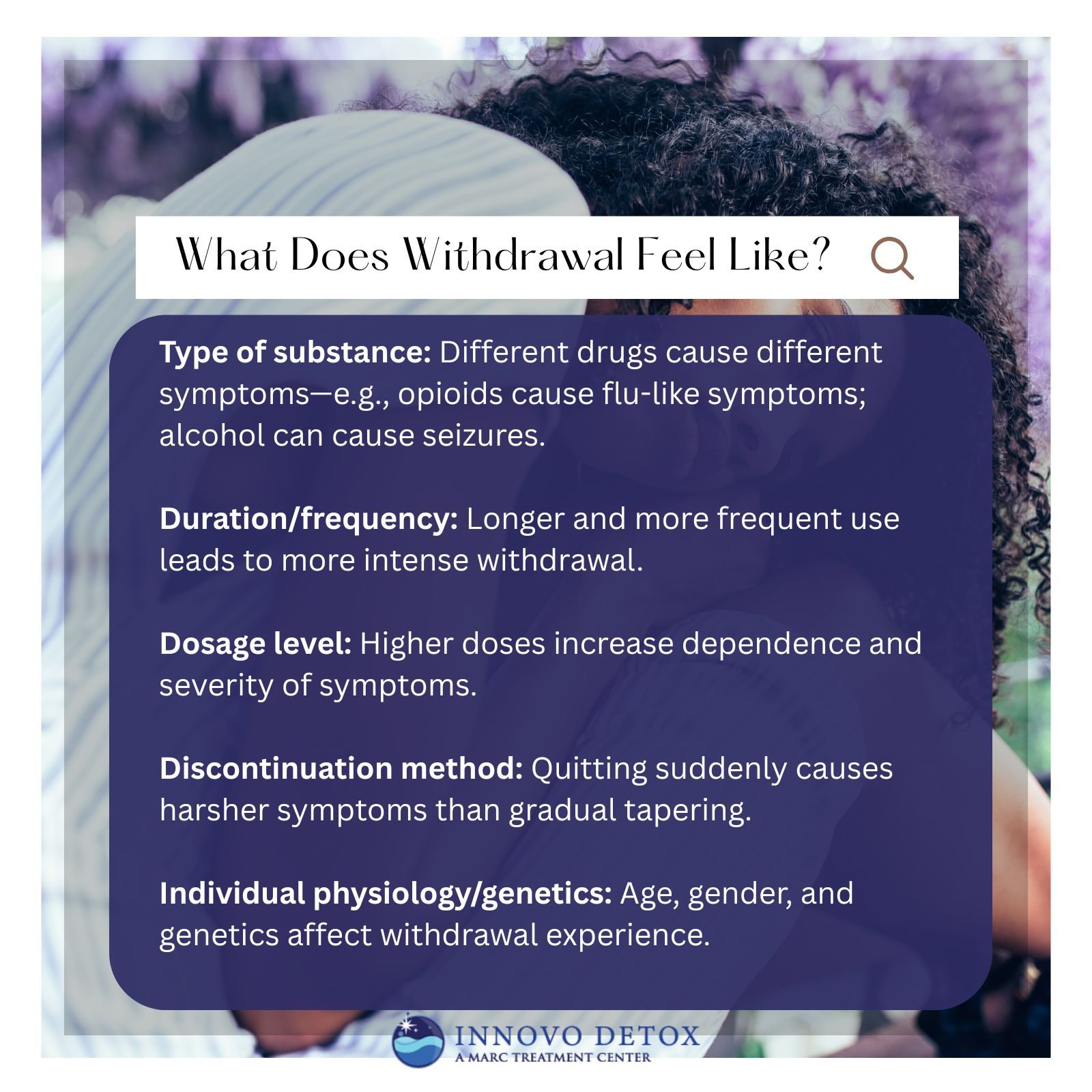
The following are the factors that affect drug withdrawal:
- Type of substance used: Different drugs produce different withdrawal syndromes. For example, opioid withdrawal is marked by flu-like symptoms, while alcohol withdrawal causes seizures and delirium tremens, which may be life-threatening.
- Duration and frequency of use: The longer and more frequently a substance is used, the more the brain adapts, leading to more intense withdrawal symptoms upon cessation.
- Dosage level: Higher doses of drugs increase the body’s dependence, making withdrawal symptoms more severe and prolonged.
- Method of discontinuation: Quitting abruptly (“cold turkey”) tends to cause stronger and riskier withdrawal symptoms than tapering under medical supervision.
- Individual physiology and genetics: Age, gender, metabolism, and genetic predispositions all influence how the body experiences and manages withdrawal.
- Mental health status: Co-occurring mental health disorders such as anxiety, depression, or PTSD intensify withdrawal symptoms and complicate recovery.
- Overall physical health: Chronic medical conditions (e.g., liver disease, cardiovascular problems) worsen withdrawal and make detox medically riskier.
- Support environment: Having access to medical support, therapy, and social encouragement reduces withdrawal severity and risk of relapse.
What Are the Symptoms of Addiction Withdrawal?
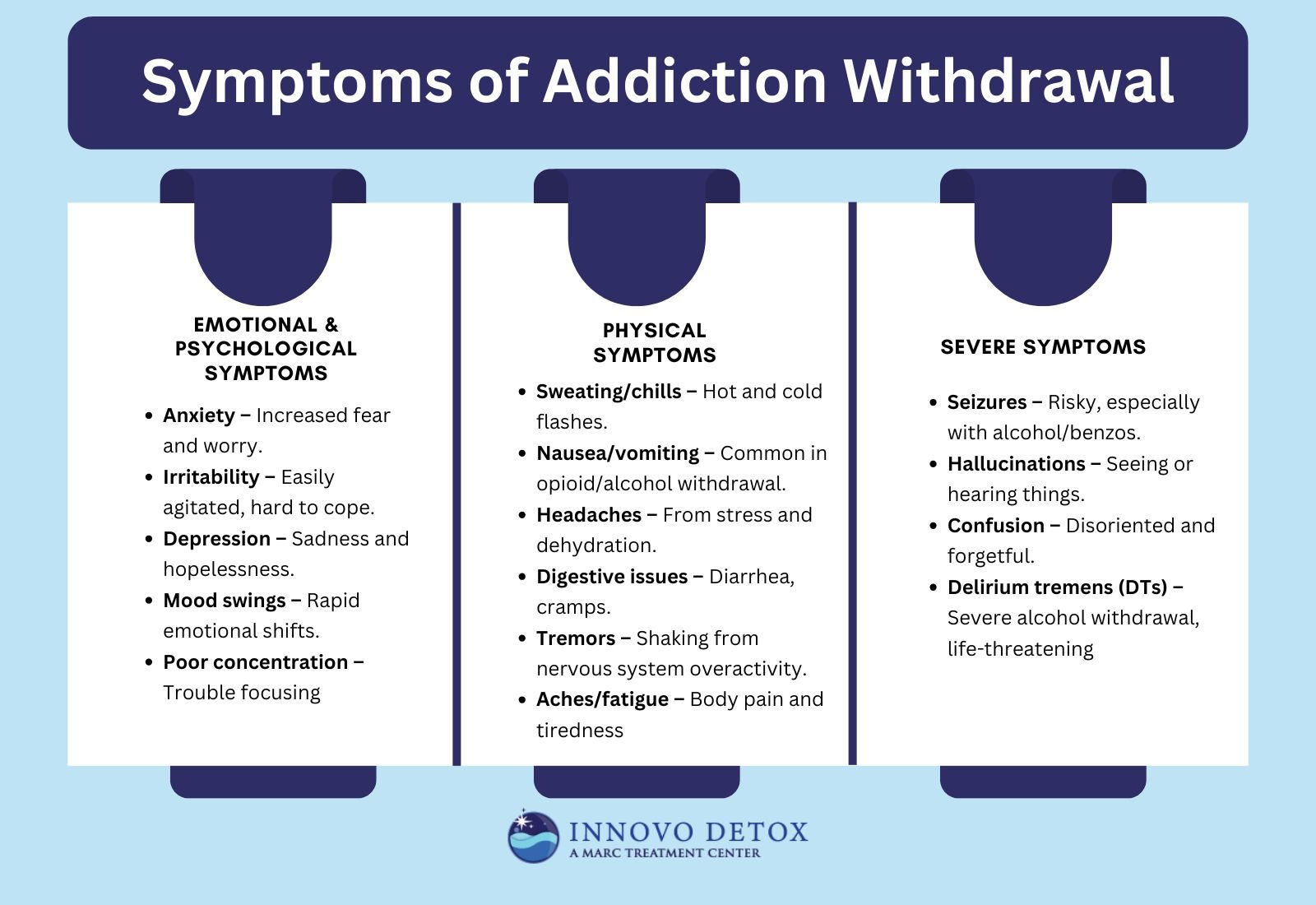
The symptoms of addiction withdrawal range from mild cravings and mood changes to severe medical complications such as seizures or psychosis. These symptoms arise when the body and brain, which have adapted to the presence of a substance, struggle to regain balance after its sudden reduction or removal. Intensity and duration of each symptom vary depending on the type of substance, dosage, frequency of use, and the individual’s overall physical and mental health.
The symptoms of addiction withdrawal are as follows:
Emotional and Psychological Symptoms
Emotional and psychological symptoms of drug withdrawal are the first signs to appear during withdrawal. It is because the brain’s chemical balance shifts without the addictive substance. These emotional and psychological symptoms significantly impact motivation and mood, increasing the risk of relapse during early recovery.
The emotional and psychological symptoms of addiction withdrawal are as follows:
- Anxiety: Withdrawal heightens fear and worry due to dysregulation of neurotransmitters like GABA. A study by Soraya, S., Mahdavi, M., Saeidi, M. et al. 2022, titled “Prevalence of anxiety disorders and its co-occurrence with substance use disorder: a clinical study,” shows that anxiety disorders co-occur in nearly 43% of people with substance use disorders.
- Irritability and agitation: Irritability is a common reaction to stress hormones released during withdrawal. Irritability makes coping with daily life difficult and strains relationships.
- Depression: Low dopamine levels after drug cessation trigger sadness, loss of interest, and hopelessness. This sadness sometimes requires clinical intervention as the individual finds it hard to function.
- Mood swings: Rapid shifts between anger, sadness, and restlessness are frequent, especially in the early days of detox.
- Difficulty concentrating: Cognitive function is impaired during withdrawal as the brain attempts to recalibrate dopamine and serotonin pathways.
Physical Symptoms
Physical withdrawal symptoms reflect the body’s stress response to a sudden chemical imbalance. These symptoms range from mild discomfort to severe complications, often requiring medical monitoring for safety.
The physical symptoms of addiction withdrawal are as follows:
- Sweating and chills: The autonomic nervous system becomes hyperactive during drug withdrawal, producing alternating hot and cold sweats.
- Nausea and vomiting: Gastrointestinal distress is common, particularly in opioid and alcohol withdrawal. Clinical data by the World Health Organization titled “Clinical Guidelines for Withdrawal Management and Treatment of Drug Dependence in Closed Settings” show that 70–90% of patients withdrawing from opioids experience nausea or vomiting.
- Headaches: Fluctuations in blood pressure and dehydration during withdrawal result in persistent headaches.
- Digestive issues: Diarrhea, stomach cramps, or constipation reflect the disruption of gut-brain communication during drug withdrawal.
- Tremors and shaking: Fine or coarse tremors occur due to overstimulation of the central nervous system, especially in alcohol withdrawal.
- Muscle aches and fatigue: Generalized pain and extreme tiredness occur as the body struggles to function without the drug.
Severe or Dangerous Symptoms
Severe or dangerous withdrawal symptoms are medical emergencies that require immediate professional intervention. These complications are fatal if left untreated, particularly with substances like alcohol, benzodiazepines, or barbiturates.
The severe or dangerous symptoms of addiction withdrawal are as follows:
- Seizures: Abrupt withdrawal from alcohol or benzodiazepines causes seizures, sometimes progressing to status epilepticus. According to Mayo Clinic data, up to 10% of people with untreated alcohol withdrawal develop seizures.
- Hallucinations: Visual, auditory, or tactile hallucinations occur when the brain misfires during detox, commonly seen in alcohol withdrawal hallucinosis.
- Confusion and disorientation: Cognitive impairment leads to the inability to recognize people, places, or time, which is especially dangerous for unsupervised patients.
- Delirium tremens (DTs): A severe form of alcohol withdrawal that includes agitation, fever, hallucinations, and cardiovascular instability. Research by Grover S, Ghosh A. et al. 2018, titled “Delirium Tremens: Assessment and Management,” shows DTs have a mortality rate of 5–15% without treatment but drop to less than 1% with proper medical care.
How Long Do Withdrawal Symptoms Last?
Withdrawal symptoms last anywhere from a few days to several weeks, depending on the substance and individual health. For example, alcohol withdrawal usually peaks within 2 to 4 days, while opioid withdrawal may last 1 to 2 weeks.
Some people experience post-acute withdrawal syndrome (PAWS), where psychological symptoms such as cravings, insomnia, or depression persist for months. This is why many individuals and families often ask, “how long does detox take?”, as the timeline varies widely between acute withdrawal and longer-lasting psychological recovery.
Why Is It Risky to Detox Alone at Home?
It is risky to detox alone because unmanaged withdrawal causes severe complications, relapse, or death. Without medical supervision, dangerous symptoms like seizures or dehydration may go untreated.
Intense cravings during withdrawal make it difficult to stay sober without professional or social support, increasing the likelihood of returning to substance use. These risks highlight the dangers of an at-home detox.
When Should You Seek Detox Help for Withdrawal?
You should seek detox help for withdrawal when symptoms become unmanageable, severe, or life-threatening. Medical detox provides supervision, safety, and treatment for both physical and emotional challenges of withdrawal.
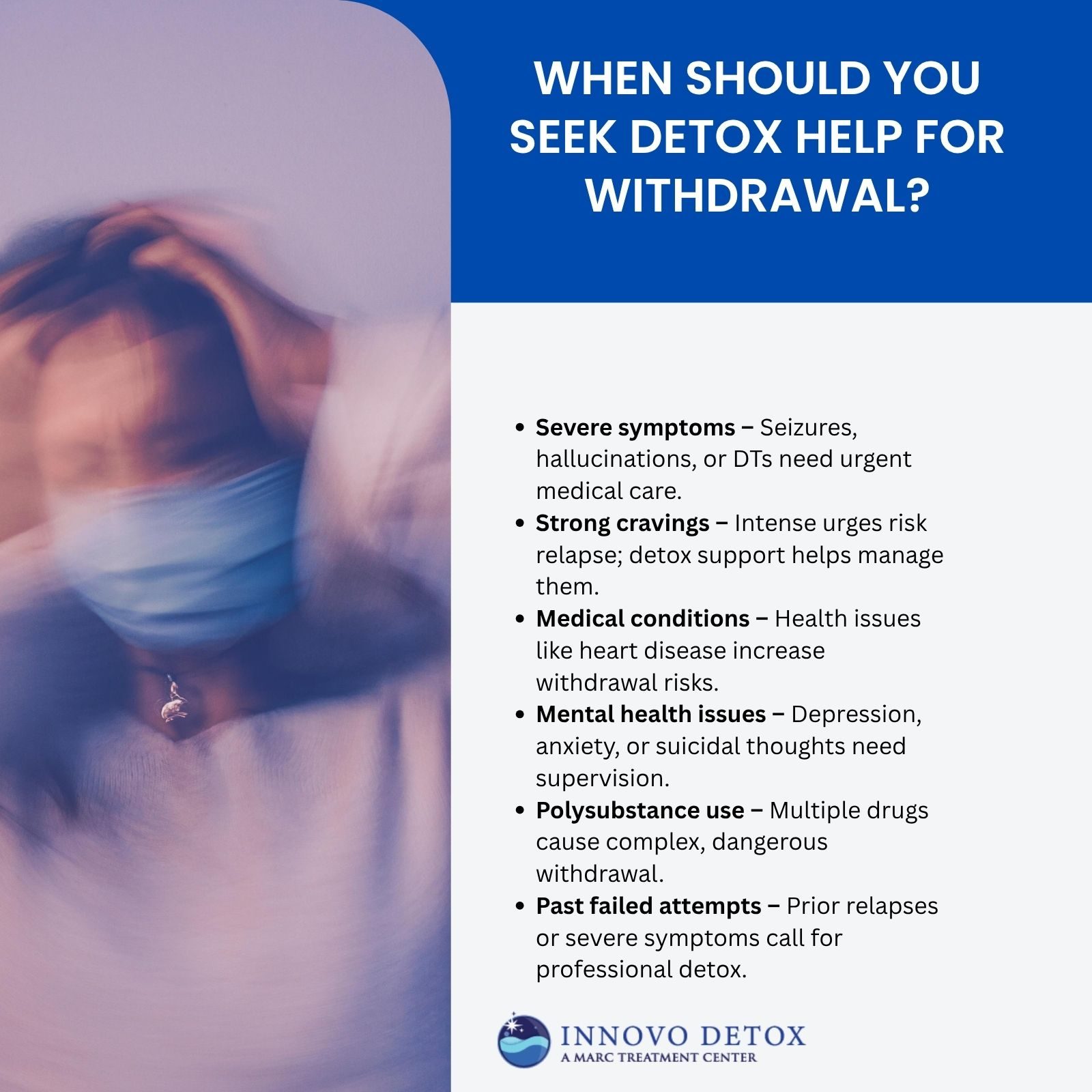
The following are the situations when you should seek detox help for withdrawal:
- Severe Physical Symptoms: If you experience seizures, hallucinations, delirium tremens (DTs), or extreme dehydration, immediate medical detox is necessary. These complications are life-threatening if left untreated.
- Strong Cravings and Relapse Risk: Intense cravings make it very difficult to quit without support. Entering a detox program helps prevent relapse through medical interventions and structured care.
- Underlying Medical Conditions: Individuals with conditions like heart disease, diabetes, or respiratory disorders face higher risks during withdrawal and need professional monitoring to avoid serious health complications.
- Mental Health Concerns: If you struggle with depression, anxiety, or suicidal thoughts during withdrawal, supervised detox ensures you receive psychiatric care alongside withdrawal management.
- Polysubstance Use: Withdrawing from multiple substances at once (e.g., alcohol and benzodiazepines) triggers unpredictable and dangerous reactions that require medical supervision.
- Unsuccessful Past Attempts: If you have tried detoxing alone before and relapsed or suffered severe symptoms, professional help increases your chances of success and safety.
Why Is Alcohol Withdrawal Especially Dangerous Without Help?
Alcohol withdrawal is especially dangerous without help because it triggers life-threatening complications such as seizures, delirium tremens (DTs), and cardiovascular collapse. These withdrawal conditions develop rapidly, sometimes within 48 to 72 hours after the last drink, and require immediate medical treatment.
Research by Rahman A, Paul M. et al. 2023, titled “Delirium Tremens,” shows that delirium tremens occurs in about 5% to 10% of patients undergoing alcohol withdrawal, with a mortality rate of up to 37% when untreated, compared to less than 5% with proper medical care.
The unpredictability of withdrawal symptom severity, combined with the high risk of fatal outcomes, makes professional detox essential for anyone withdrawing from alcohol. Medical supervision ensures that complications are managed promptly through medications, fluid replacement, and continuous monitoring, greatly reducing the chances of death or long-term harm.
When Is Medical Supervision Necessary for Opioid or Benzodiazepine Withdrawal?
Medical supervision is necessary for opioid or benzodiazepine withdrawal when the risks of unmanaged detox outweigh the body’s ability to cope safely. Both opioids and benzodiazepines create strong physical dependence, and sudden cessation triggers intense withdrawal symptoms.
The opioid and benzodiazepine withdrawal symptoms include severe discomfort, psychological distress, and, in the case of benzodiazepines, potentially life-threatening seizures. Professional detox settings provide continuous monitoring, symptom-relieving medications such as buprenorphine for opioids or tapering protocols for benzodiazepines, and relapse-prevention support.
Research by Hu X. et al. 2011 titled “Benzodiazepine withdrawal seizures and management” highlights that benzodiazepine withdrawal carries seizure risks of up to 20% without supervised tapering. Opioid withdrawal, though rarely fatal, drives relapse rates above 80% when attempted without medical help, as studied by Weiss et al., 2011, published in the American Journal on Addictions.
What Happens During Medical Detox?
During medical detox, patients are monitored 24/7 by healthcare professionals who manage symptoms and prevent complications. Medications are prescribed to reduce withdrawal discomfort, stabilize mood, and address cravings. The process includes assessment, stabilization, and preparation for ongoing addiction treatment.
During medical detox, the following things happen:
- Comprehensive Assessment: Upon admission, healthcare professionals evaluate the patient’s physical health, mental status, substance use history, and risk factors. This assessment determines the severity of withdrawal and guides the individualized treatment plan.
- 24/7 Monitoring and Safety: Patients are closely monitored for withdrawal symptoms such as changes in vital signs, seizures, dehydration, or agitation. Constant supervision ensures that complications are addressed immediately and safely.
- Medication Management: Doctors may prescribe medications such as benzodiazepines for alcohol withdrawal, buprenorphine or methadone for opioid withdrawal, and adjunct medicines for nausea, insomnia, or anxiety. These treatments reduce discomfort and lower relapse risk.
Nutritional and Hydration Support: Detox often involves dehydration and nutrient deficiencies. Medical staff provide fluids, electrolytes, and balanced meals to support the body’s healing and strengthen the immune system. - Emotional and Psychological Support: Counseling, reassurance, and therapeutic interventions are introduced to help patients cope with anxiety, depression, or cravings during detox. This support helps reduce psychological stress and promotes stability.
- Stabilization Phase: As symptoms subside, the focus shifts toward stabilizing both physical and mental health. Patients regain strength, sleep patterns improve, and clarity of mind returns.
- Transition to Ongoing Treatment: Detox is the first step in recovery. Before discharge, patients are guided toward inpatient rehab, outpatient programs, or therapy to maintain sobriety and address the root causes of addiction.
How Are Withdrawal Symptoms Treated Safely?
Withdrawal symptoms are treated safely through medication-assisted treatment (MAT), medical monitoring, supportive care, and behavioral interventions. MAT involves the use of evidence-based medications such as benzodiazepines for alcohol withdrawal or methadone and buprenorphine for opioid withdrawal.
Medication-assisted treatment (MAT) stabilizes brain chemistry, reduces cravings, and lowers the risk of seizures or relapse. Medical monitoring ensures vital signs are tracked, and complications such as dehydration or cardiac distress are managed promptly. Supportive care, including hydration, nutrition, and rest, helps restore the body’s balance during withdrawal. Counseling and behavioral therapy address psychological distress and prepare individuals for long-term treatment.
A systematic review byAmato et al., 2011, found that MAT significantly reduced opioid withdrawal severity and improved treatment retention rates by up to 60% compared to non-medicated detox. This demonstrates that safe treatment requires professional oversight and structured care rather than unsupervised detox attempts.
What Medications Help Manage Withdrawal Symptoms?
The medications that help manage withdrawal symptoms include methadone, buprenorphine, and naltrexone for opioids, benzodiazepines for alcohol, and nicotine replacement therapies for tobacco. These medicines reduce cravings, stabilize brain chemistry, and lower the risk of relapse.
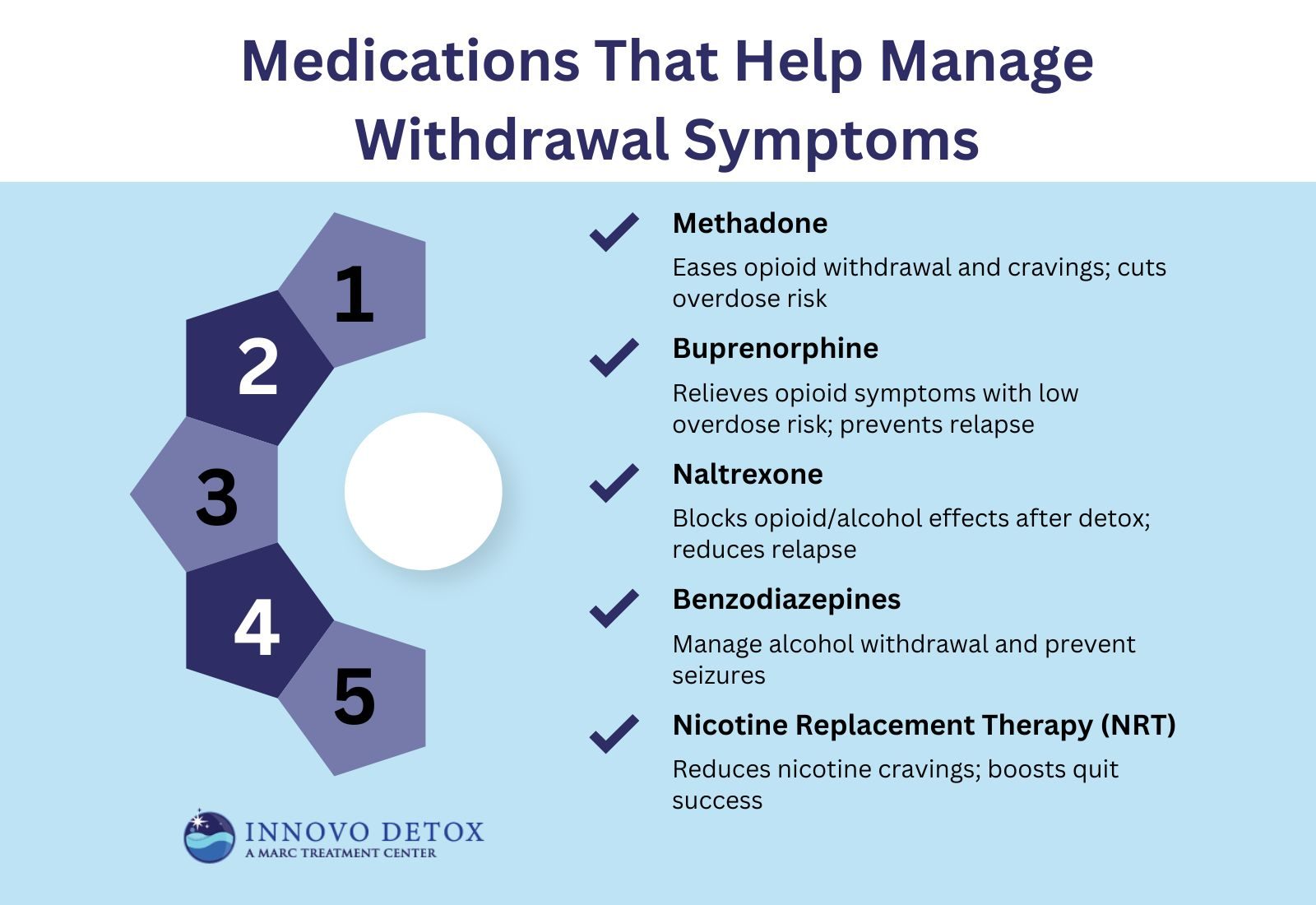
The following medications help manage withdrawal symptoms:
- Methadone: A long-acting opioid agonist that prevents withdrawal symptoms and reduces cravings in individuals detoxing from opioids. It works by binding to opioid receptors in the brain without producing the euphoric high, allowing for a controlled and gradual taper. Research by Sordo et al., 2017, shows that methadone maintenance reduces opioid-related mortality by up to 50%.
- Buprenorphine: A partial opioid agonist that eases withdrawal symptoms and cravings with a lower risk of overdose compared to full agonists. It helps stabilize patients during detox and is often combined with naloxone (as Suboxone) to prevent misuse. Studies by Mattick et al., 2014, titled “Cochrane Database of Systematic Reviews,” demonstrate that buprenorphine significantly increases treatment retention and lowers relapse rates.
- Naltrexone: An opioid antagonist that blocks the euphoric effects of opioids and alcohol. While it does not relieve withdrawal directly, it is used after detox to prevent relapse by eliminating the rewarding effects of substance use. Clinical evidence by Anton et al., 2006, shows naltrexone reduces heavy drinking days by 83% when combined with counseling.
- Benzodiazepines: The standard medication for managing alcohol withdrawal symptoms, especially seizures and delirium tremens. They calm overactive brain activity and reduce the risk of life-threatening complications. According to the New England Journal of Medicine, benzodiazepines remain the most effective treatment for alcohol withdrawal syndrome, reducing seizure incidence by up to 84%.
- Nicotine Replacement Therapy (NRT): NRT includes patches, gum, and lozenges that supply controlled doses of nicotine to reduce withdrawal symptoms and cravings in smokers. It doubles the chances of quitting successfully compared to placebo treatments as studied by Stead et al., 2012.
How Do Nutrition, Hydration, and Rest Support Withdrawal Recovery?
Nutrition, hydration, and rest support withdrawal recovery by strengthening the body’s ability to heal. Balanced meals restore nutrient deficiencies, fluids prevent dehydration, and adequate sleep promotes mental clarity and emotional stability during detox.
Where Can You Go for Detox and Withdrawal Support in Pennsylvania?
You can go for detox and withdrawal support in Pennsylvania at hospitals, residential detox centers, outpatient clinics, and community-based treatment programs. Each option provides different levels of care, but all aim to ensure safety, reduce relapse risks, and connect individuals to long-term treatment resources.
Detox treatment services in Pennsylvania, like Innovo Detox, provide medically managed withdrawal in a private and supportive setting. Patients receive evidence-based medical, psychiatric, and clinical care overseen by doctors, nurses, and therapists available around the clock.
Clinical services are integrated once patients begin feeling physically stable, including structured group therapy and individual counseling to address the psychological and emotional aspects of addiction. Case management is also a key component, helping patients and families plan the next stage of care by arranging referrals to inpatient, outpatient, or community-based recovery programs.
Facilities for detox in Pennsylvania are designed for comfort, offering private rooms, recreational spaces, and nutritious meals that support healing. This comprehensive approach ensures patients begin recovery in a safe, structured, and clinically supervised environment.
How Can You Support Someone Going Through Withdrawal?
You can support someone going through withdrawal by encouraging medical help, offering emotional support, and creating a safe, calm environment. It’s important to avoid enabling behaviors while showing compassion, patience, and respect for their recovery process.
What Happens After Detox?
After detox, the next step is structured addiction treatment that addresses the psychological and behavioral aspects of recovery. While detox manages physical dependence, it does not treat the underlying causes of substance use.
Patients move into residential treatment, partial hospitalization (PHP), or intensive outpatient programs (IOP), where therapy focuses on coping strategies, relapse prevention, and emotional regulation. Evidence-based approaches such as cognitive behavioral therapy (CBT), medication-assisted treatment (MAT), and group counseling are commonly used to support long-term stability.
Case management also plays a role, connecting individuals with community resources, recovery meetings, and continued medical or psychiatric care. Ongoing support ensures that the progress made during detox transitions into lasting recovery, reducing relapse risks and strengthening overall health.
How Can Early Detox Improve Long-Term Recovery Outcomes?
Early detox improves long-term recovery outcomes by addressing substance dependence before it causes irreversible physical, psychological, or social damage. Individuals who seek detox early are less likely to experience severe withdrawal complications, such as seizures or delirium tremens, which can disrupt recovery progress.
Early intervention also reduces the intensity of cravings and withdrawal symptoms, lowering the immediate risk of relapse. Research by the National Institute on Drug Abuse shows that people who begin treatment soon after problematic use are more likely to complete rehabilitation programs and maintain long-term abstinence.
Early detox provides faster access to behavioral therapies, counseling, and relapse prevention planning, creating a stronger foundation for sustained recovery. Early detox increases both treatment adherence and long-term sobriety outcomes by stabilizing health and introducing structured care at an earlier stage.